BANGKOK: Two prominent political activists in military-ruled Myanmar have been sentenced to death for alleged involvement in terrorist activities, an army television station reported Friday.
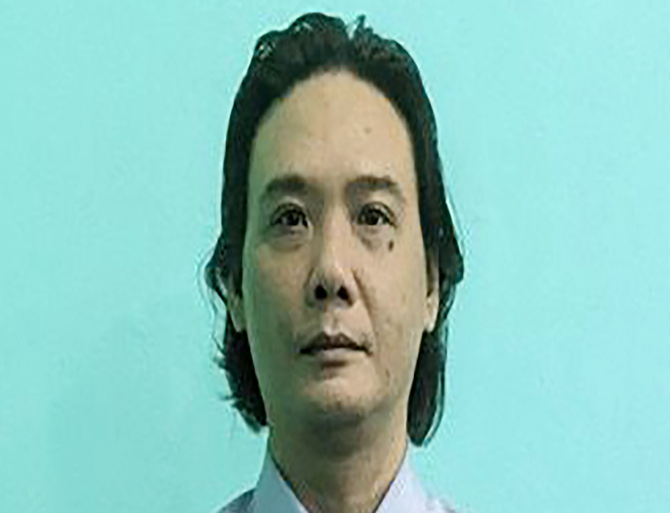
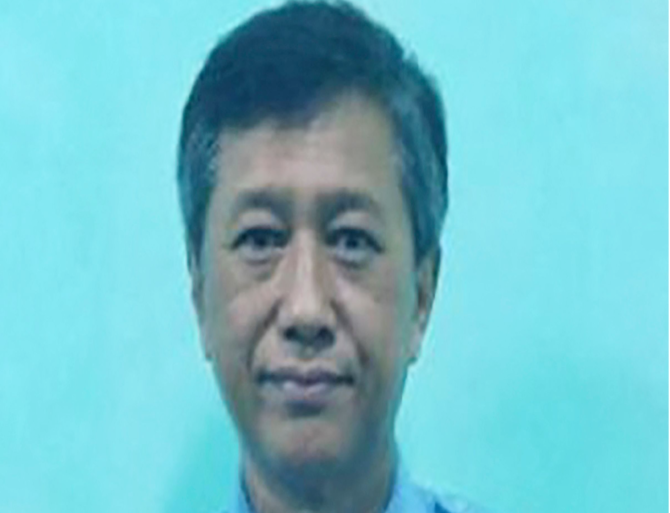
Myawaddy TV said on its evening news broadcast that Kyaw Min Yu, better known as Ko Jimmy, and Phyo Zeyar Thaw, also known as Maung Kyaw, were convicted under the country’s Counterterrorism Law. They were found guilty of offenses involving explosives, bombings and financing terrorism.
Both have been detained since their arrests, unable to comment on the allegations, and no lawyer ever emerged to comment on their behalfs. Min Yu’s wife, Nilar Thein, in October denied the allegations lodged against her husband.
Details of their trials were unavailable because the proceedings were carried out in a closed military court. It was unclear if their two cases were linked.
Modern-day Myanmar has a record of rarely carrying out death sentences.
The two are among the most prominent activists to be given death sentences since the military in February last year seized power from the elected government of Aung San Suu Kyi.
Its takeover sparked wide-scale popular protests, which have since turned into a low-level insurgency after nonviolent demonstrations were met with deadly force by the security forces. Almost 1,500 civilians are estimated to have been killed, and more than 11,000 arrest carried out for political offenses.
Some resistance factions have engaged in assassinations, drive-by shootings and bombings in urban areas, The mainstream opposition organizations generally disavow such activities, while supporting armed resistance in rural areas, which are more often subject to brutal military attacks.
Kyaw Min Yu is one of the leaders of the 88 Generation Students Group, veterans of the popular uprising that failed to unseat a previous military government.
He has been active politically ever since then, and has spent more than a dozen years behind bars. His Oct. 23 arrest in Yangon was originally reported by his wife, an activist who also has been jailed in the past. Both went into hiding after the February takeover and she is believed to still be in hiding.
Two weeks after his arrest, a statement from the military-installed government accused Kyaw Min Yu, of “conducting terrorism acts including mine attacks to undermine the state stability” and alleged he headed a group called “Moon Light Operation” to carry out urban guerrilla attacks.
He had already been on the wanted list for social media postings that allegedly incited unrest.
Phyo Zeyar Thaw is a former lawmaker with Suu Kyi’s National League for Democracy party. He was a hip-hop musician before becoming as a member of Generation Wave, a political movement formed in 2007.
He was arrested on Nov. 18 in possession of weapons and ammunition, according to a statement at the time from the ruling military.
That statement also said he was arrested on the basis of information from people arrested a day earlier for carrying out the shootings of security personnel.
Other statements from the military accused him of being a key figure in a network of dozens of people who allegedly carried out what the military described as “terrorist” attacks in Yangon.


![]()
![]()

Myanmar sentences lawmaker from Suu Kyi’s party to death
Short Url
https://arab.news/cv6w9
Myanmar sentences lawmaker from Suu Kyi’s party to death
- The two are among the most prominent activists to be given death sentences since the military in February last year seized power from the elected government of Aung San Suu Kyi

Latest updates


© 2026 SAUDI RESEARCH & PUBLISHING COMPANY, All Rights Reserved And subject to Terms of Use Agreement.