



DUBAI: Short-form video platform TikTok held a virtual session this week for advertisers planning their media budgets for Ramadan.
Historically, the holy month has attracted big money from advertisers, as consumers spend more on everything from household goods to luxury gifts in the period leading up to Ramadan as well as throughout the month.
Up to 75 percent of Muslims say they would like brands to cater to them during the fasting period, yet one-third of online users in MENA and Turkey block digital ads.
This reveals a disconnect between what audiences want and what brands are providing, according to Dana El Hassan, platform strategist at TikTok.
Brands need to be “part of the conversation and community” in order to provide an uninterrupted online experience for consumers, she said.
This is especially true on TikTok, where 61 percent of users believe brands are part of the open community.
El Hassan said that brands should focus on culture, content and commerce in order to integrate with the TikTok community.
A total of 89 percent of users look to TikTok for ideas on home decor, iftar and fashion during Ramadan, giving brands the chance to be a part of the cultural nuances of the month.
Last year, the entertainment category grew 1.7 times during Ramadan, which means brands have an opportunity to engage with a community seeking distraction, said El Hassan.
Additionally, over 50 percent of TikTok users agree that the platform has helped them decide what to buy and they spend 66 percent more on shopping than non-TikTok users during Ramadan.
The platform’s “entertaining, creative-centric and community-led content allows brands to turn inspiration into action, driving consumers to add to cart but also to heart,” added El Hassan.
Once brands decide to be on TikTok, they need to be mindful of their strategy.
Yasmin Mustafa, brand strategy lead, cautioned advertisers against adopting the same approach throughout the month. “Users’ attitudes and behaviors change and shift,” she said. Users are in preparation mode before Ramadan, and in a more celebratory mood toward the end of the month.
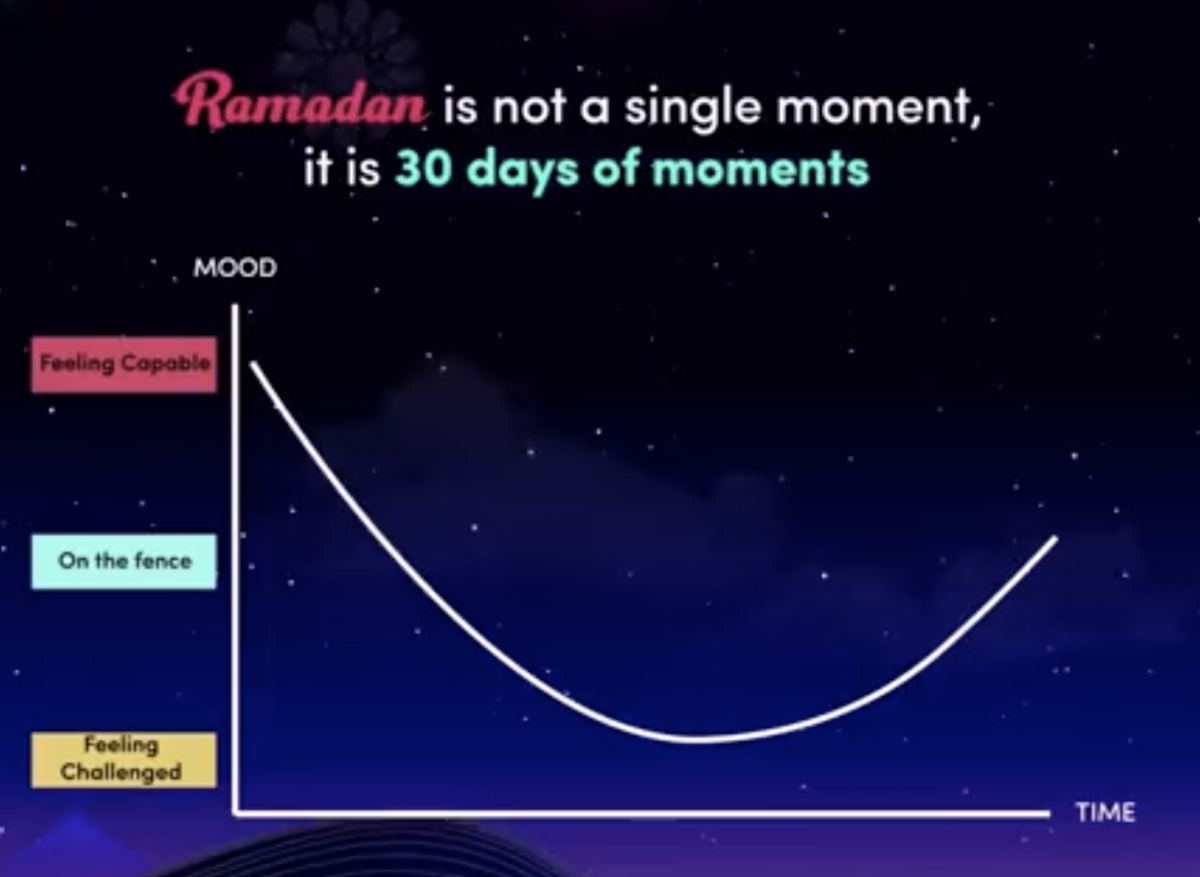
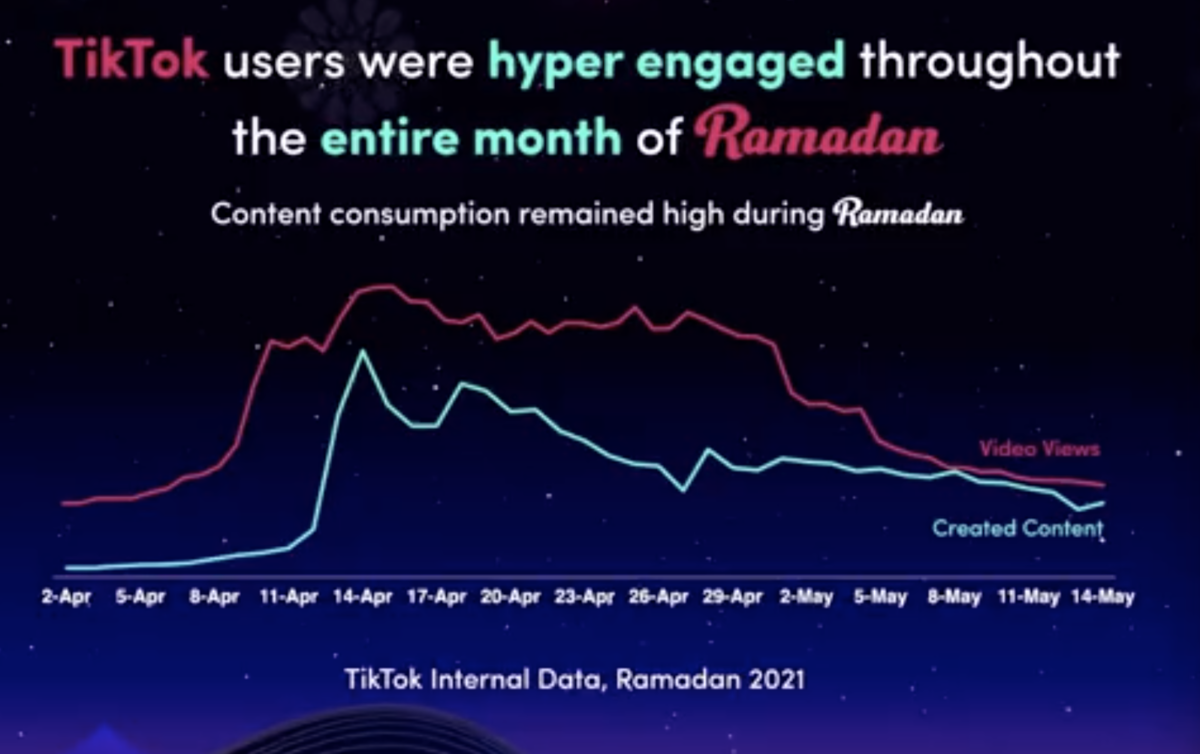
TikTok serves as a “stabilizer” by “providing lighthearted content and a sense of togetherness, enabling people to celebrate together,” added Mustafa. This is reflected in the numbers, with users remaining hyper-engaged throughout the month.
“If brands want to be relatable this Ramadan, they need to acknowledge the various sub-moments of Ramadan that are normally forgotten,” she said.
After brands have understood the audience mindset, content is key.
“Create with a TikTok-first mindset,” advised Rita Wehbe, head of the Shop, TikTok’s in-house service offering for brands. One such way is using sound effectively. For example, last year telco Orange’s Ramadan tune was used in 87,000 videos by TikTok users.
Lea Bitar, client partner at TikTok, said that third-party research shows the platform is 10 times more cost-efficient in driving brand awareness and consideration than TV, which typically dominates media spending during the holy month.
Last Ramadan, TikTok campaigns delivered 2.6 times more ad memorability and five times more purchase motivation than industry standards. The platform also drove an average lift of 4.1 percent in offline sales, according to a study conducted last Ramadan on three household and personal care brands in Saudi Arabia.
A winning Ramadan strategy includes planning, optimizing and measuring, said Bitar.
Brands can plan for impact by leveraging TikTok’s suite of solutions and selecting the right mix to hit their business goals and optimize their approach by using new features that the platform will add during Ramadan, such as affinity targeting and dayparting.


