



RIYADH: In recent years, there has been a remarkable increase in the number of businesses whose owners are interested in investing in the hotel sector in Saudi Arabia. Yet at the same time, many observers continue to wonder why there are still so few hotels outside of the Kingdom’s major cities.
Amir Lababedi, Hilton’s managing director of development in the Middle East and North Africa, said: “Saudi Arabia represents our largest development pipeline in the Middle East, with plans to expand our presence to more than 75 hotels in the coming years.
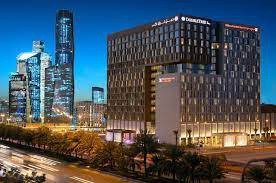
“We plan to expand in locations across major primary and secondary cities across Saudi Arabia. We see potential for our mid-market Hampton by Hilton and Hilton Garden Inn brands, as well as for DoubleTree by Hilton and our lifestyle brand, Canopy by Hilton.”
Meanwhile, Radisson Hotel Group announced this week that it plans to expand its operations in Saudi Arabia and increase its investment portfolio in the Middle East to approximately half of its total investments by 2026.
There is a big demand for hotels classified as three or four stars. The local population, as well as visitors — pilgrims, tourists, and businessmen — prefers three- or four-star hotels as these are available all around and are very affordable for the general public. Commercially, their operating cost is lower and thus they generate more revenue than a five-star hotel.
Saleh Al-Habib, Executive director, Jiwar Real Estate Development
According to Saudi Minister of Tourism Ahmed Al-Khateeb: “Radisson Hotel Group’s commitment to developing new hotels in the Kingdom and opening a regional office in Riyadh is an effective contribution to strengthening the Kingdom’s steps to achieve its goal of receiving 100 million visitors by 2030.”
Mahmoud Al-Saeed, the general manager of Pereira Resorts in the Eastern Province, which is managed by Boudl Hotels and Resorts, said the company aims to cater to all sections of society.
“Given that a large segment of society prefers three-star hotels for their quality and reasonable prices, the company has created a chain of Aber hotels,” he said. “It launched the brand in 2018 to meet the needs of many with a group of modern hotels, in terms of design and concept, at affordable prices while ensuring high quality and professionalism in providing services.”
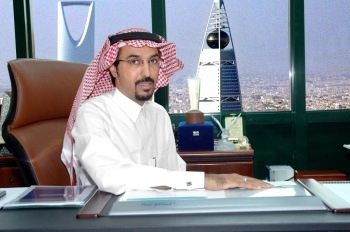
Dr. Saleh Al-Habib, executive director of Jiwar Real Estate Development
The three-star Aber hotels are “situated between hotel apartments and four-star hotels,” according to Al-Saeed. “The economic concept that Boudl is keen to present with this group of hotels has become an important matter for many travelers and those looking for a change in the usual lifestyle,” he added.
Boudl also owns the four-star Pereira hotels and the five-star Narcissus. Al-Saeed said the company has plans for expansion in major cities, and to increase the number of three-star hotels in a number of Saudi cities. These hotels are experiencing an influx of tourists from inside and outside the country, he added.
Al-Saeed, who has worked in the industry for nearly two decades, said that hotels currently face a number of challenges, particularly “in light of the precautions against COVID-19. These include the postponement of many events which usually take place in hotels and the cancellation of reservations for halls used for celebrations or official meetings, due to the coronavirus and its accompanying problems.”
He added that the authorities in Saudi Arabia are aware of the issues and are working to develop the hotel sector.
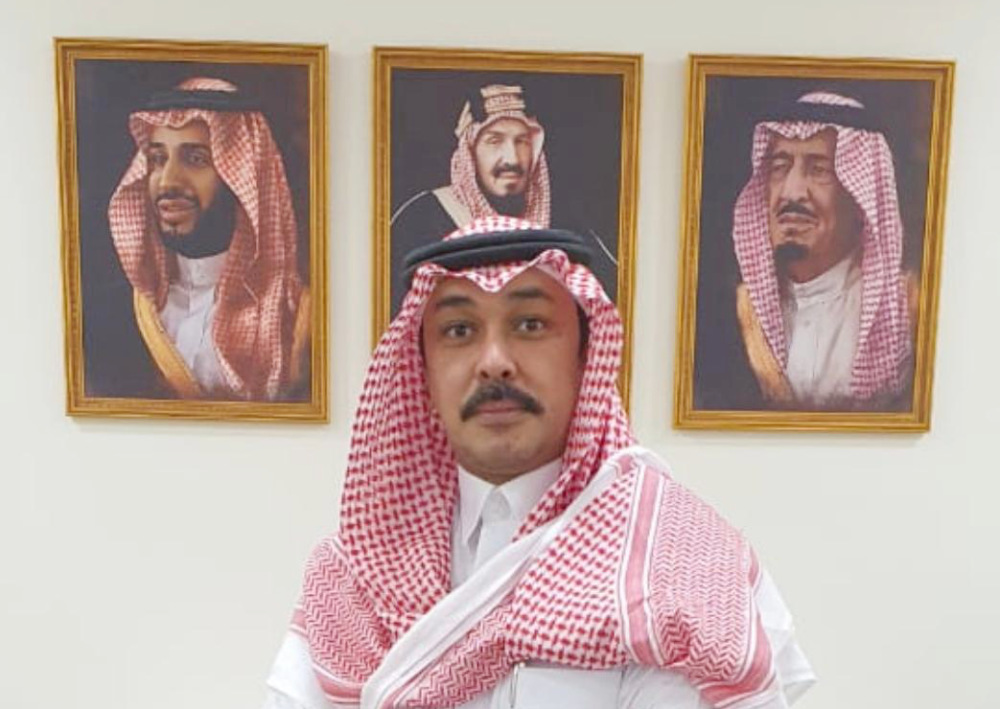
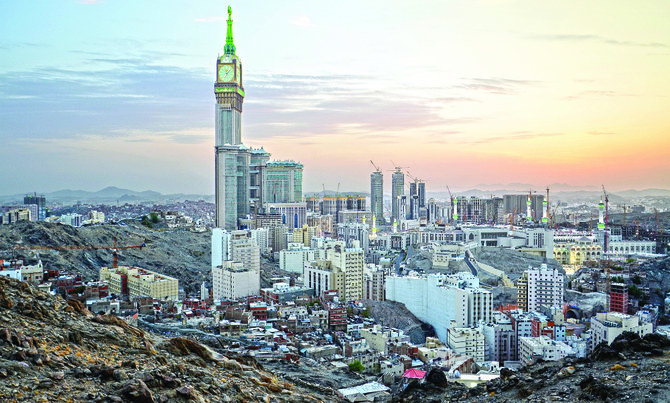
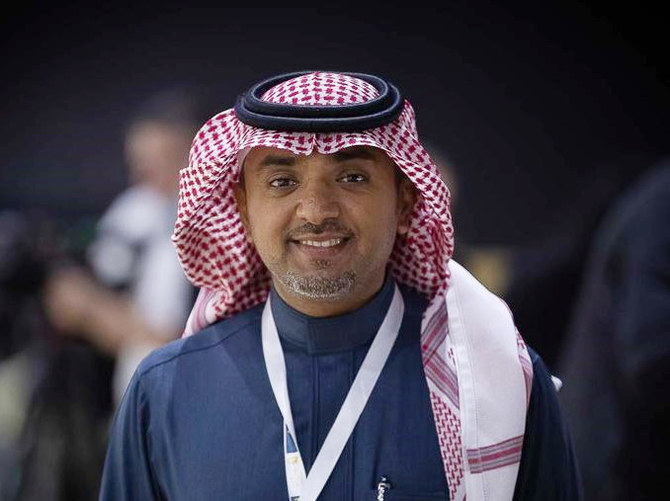
Fadil Munakeal, manager of Jabal Omar Jumeirah in Makkah
Thamer Alrajeeb, a former member of the Riyadh Chamber of Commerce and Industry’s Tourism Accommodation Committee, said investment in the tourism sector in major cities is encouraging, particularly in Riyadh in support of the Saudi Entertainment Authority initiatives. It is not profitable in other cities, however, where operations are seasonal during a period of a few months each year, usually coinciding with school holidays or good weather.
“For the rest of the year, operation is a loss for the investor,” he said.
FASTFACT
Radisson Hotel Group announced this week that it plans to expand its operations in Saudi Arabia and increase its investment portfolio in the Middle East to approximately half of its total investments by 2026.
Alrajeeb described investing in hotels other than five-star establishments as “feasible.” He said the lower operational costs and prices are affordable to a wider range of guests but added that “many of the Ministry of Tourism’s requirements burden investors.”
He said it is possible to meet the needs of visitors with average levels of financial solvency, particularly outside the three cities of Riyadh, Jeddah, and Dammam. This can be done by investing in hotel suites in particular, which are characterized by low startup costs, “allowing for their rental prices to be more commensurate with the solvency of a wide range of travelers.”
The cornerstone of the development of hotel investment in Saudi Arabia’s various regions lies in facilitating the financing process for investors in the sector while fulfilling the Ministry of Tourism’s requirements, Alrajeeb said, adding that the focus should be on efforts that contribute to raising quality in the sector and meeting the needs of customers.
Fadil Munakeal, manager of the Jabal Omar Jumeirah hotel in Makkah, stressed the importance of providing products and services that correspond to a hotel’s star rating, which he said reflects positively on investment in the sector. He urged the Ministry of Tourism to continue its supervision and follow up efforts to achieve reliability in the sector and improve the image and perception of all types of hotels.
Munakeal, who is also a member of the Hotels Committee of the Makkah Chamber of Commerce and Industry, urged the owners of less expensive establishments, particularly in the three-star and lower categories, to invest in modern marketing techniques and direct them at particular target groups. They must also develop products and services that meet the needs of these target audiences, he added.
He said many domestic tourists, particularly families, prefer to stay in hotel apartments because they have a negative perception of some hotels with fewer than four stars.
Saleh Al-Habib, executive director of Jiwar Real Estate Development, said: “There is a big demand for hotels classified as three or four stars. The local population, as well as visitors — pilgrims, tourists, and businessmen — prefers three- or four-star hotels as these are available all around and are very affordable for the general public.
“Commercially, their operating cost is lower and thus they generate more revenue than a five-star hotel.
“This is a popular choice for almost all classes of society, especially the middle and lower-middle classes. The availability of such hotels and semi-luxurious apartments is numerous. With affordable tariffs, they meet the needs of families, business travelers, as well as those seeking leisure.”
Al-Habib, who is also a member of the Saudi Association for Tourist Accommodation Facilities, said that both locals and expatriates are interested in establishing hotels and furnished apartments in areas such as Abha, Al-Baha, Tabuk, Hafar Al-Batin, Al-Majma’ah and Al-Kharj.
“These interested entrepreneurs are working closely with the National Tourism Fund,” he added.


