- Funding for 2021 was double the total investment received in last six years, two firms that monitor foreign investments said
- Startups were valued at over $1.5 billion in 2021, five times higher compared to startups valued in 2020 at $300 million
KARACHI: Pakistani startups raised around $375 million in the outgoing year, with funding for 2021 double the total investment received in the last six years, two firms that monitor foreign investments in startups said.
A flood of overseas capital into Pakistani firms that began during the coronavirus pandemic is continuing unabated, with the startup scene in the world’s fifth-largest nation having a breakout year.
During 2021, Pakistani startups attracted the largest share, or 32 percent, of funding in logistics, followed by e-commerce at 27 percent, fintech 25 percent and edtech and healthtech 4 percent, according to data shared by startup investment advisory platform Alpha Beta Core.
“Pakistan startups raised more than $375 million in 2021, that’s two times more versus the last six years combined,” Alpha Beta Core CEO Khurram Schehzad, said in a statement. ” Investment in Pakistan startups grows by leaps and bounds.”
Invest2Innovate (I2I), another organization that keeps track of funding flows to startups, put the inflow figure at $350 million.
During the outgoing year, 81 investment deals were made by Pakistani startups as compared to 174 deals worth $231 million made between 2015 to 2020, according to data shared with Arab News by Invest2Innovate.
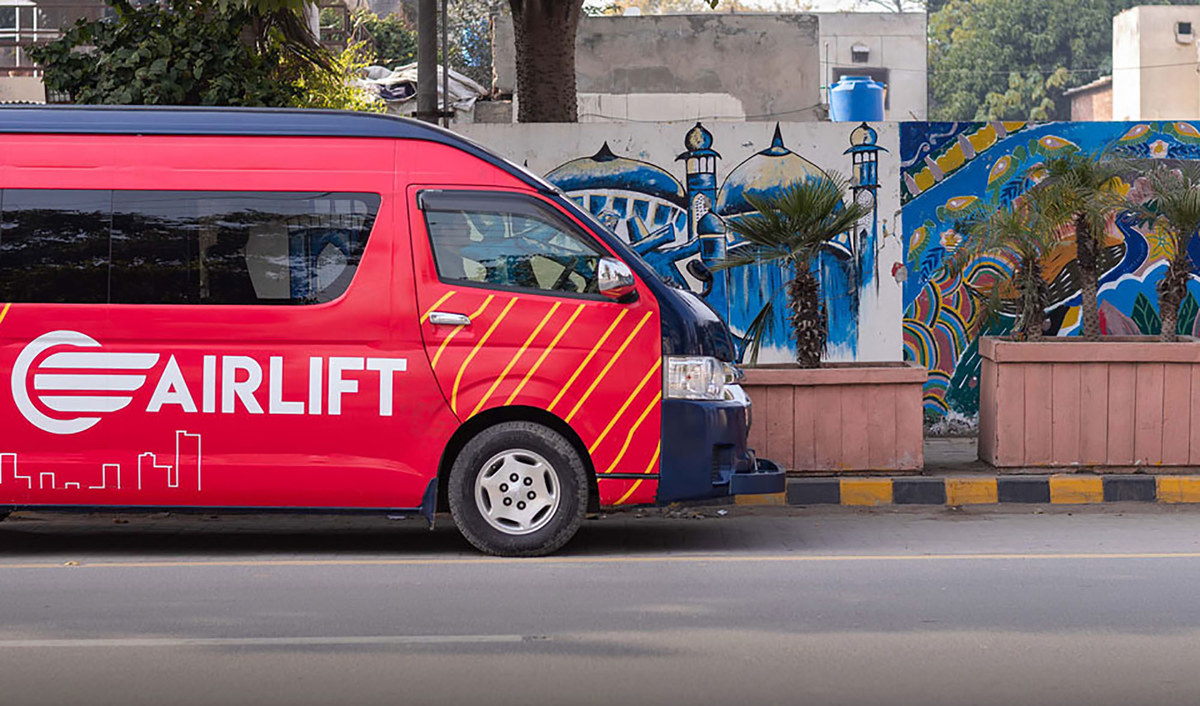
Airlift technologies, with a $85 million Series B funding round closed in August this year, was the largest single private funding round in the history of Pakistan. Another startup, Bazaar, a B2B marketplace, raised $30 million while Tajir raised $17 million and TAG, a fintech startup, raised $17.5 million.
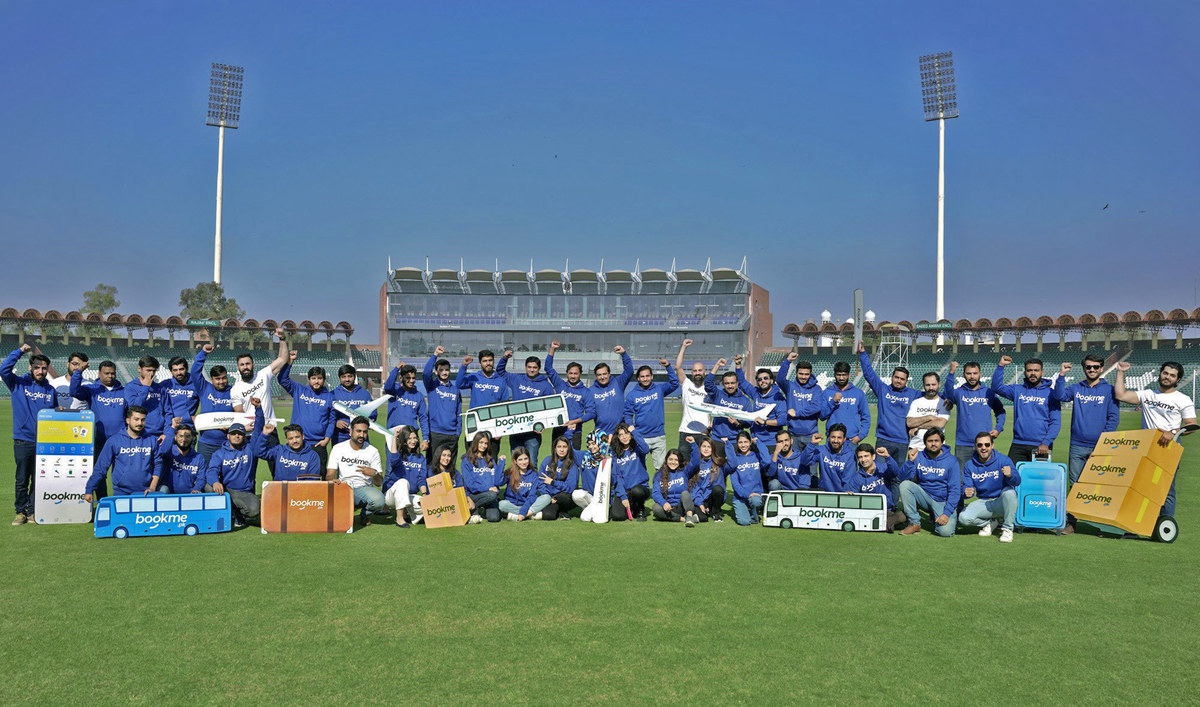
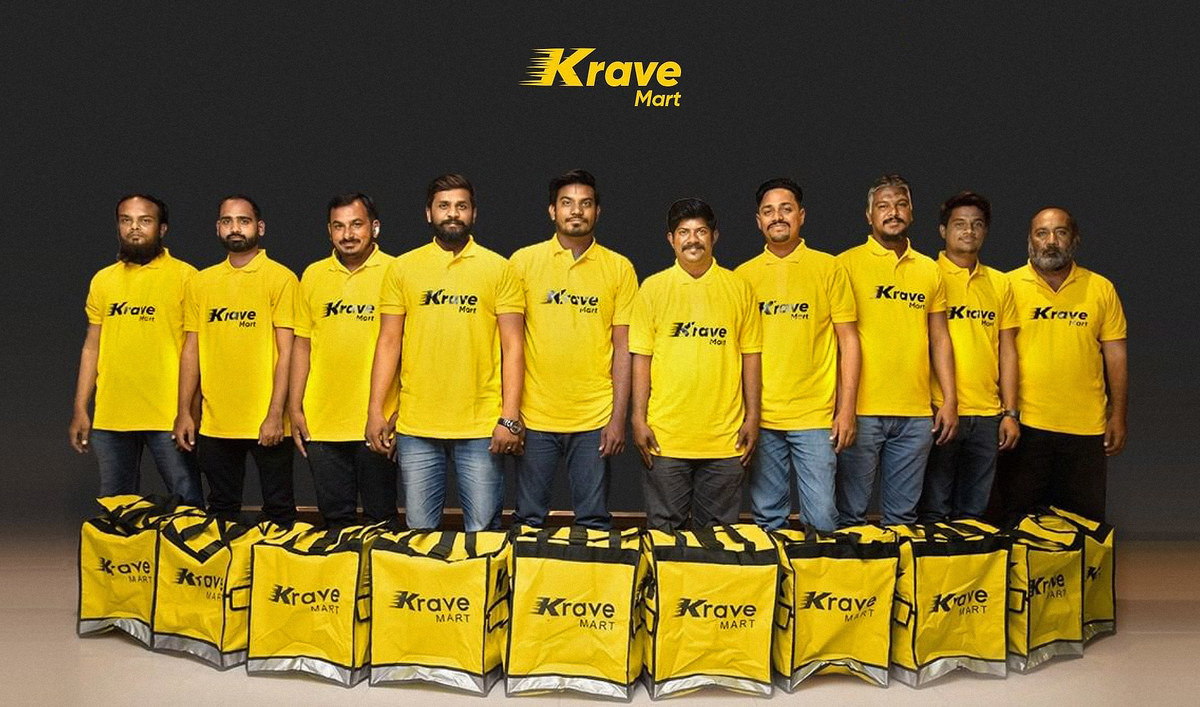
Online travel and ticketing platform Bookme, and Bagallery, a beauty and fashion startup, raised $7.5 million and $4.5 million respectively in Series A rounds last month. Krave Mart, the first to introduce quick-commerce in Pakistan, also raised $6 million in a pre-seed funding round to expand its operations in the port city of Karachi and to other major cities.
Startups were valued at over $1.5 billion in 2021, which is five times, or 400 percent, higher as compared to startups valued in 2020 at $300 million, according to Schehzad.
Experts expect the funding rush to continue in 2022 because of the huge untapped market in Pakistan with 188 million cellular subscribers, 107 million 3G/4G users and 110 million Internet users.
“I think with the recent entrants of players like Tiger Global, who are actively looking at the market and act as strong signalling to other international investors, 2022 will potentially be an even better year for Pakistani startups,” Kalsoom Lakhani, founder and partner at Invest2Innovate (I2I) Ventures, an organization that supports and keeps track of funding to startups, told Arab News on Monday.
“However, there is a need for growth stage capital as more startups mature and need to raise later rounds of funding, and the dearth of talent will continue to be a challenge going into this year.”
New themes to look for in 2022 are healthtech, given a dearth of and access to quality health care, edtech businesses to take online education to millions of Pakistani children, as well as fintech firms to help address Pakistan’s undocumented economy or 75 percent unbanked population.
“Momentum will continue in 2022,” Schehzad said, “with some of the biggest global venture capitals (VCs) now eyeing Pakistan.”