

Women in the spotlight at first-ever Red Sea International Film Festival in Jeddah

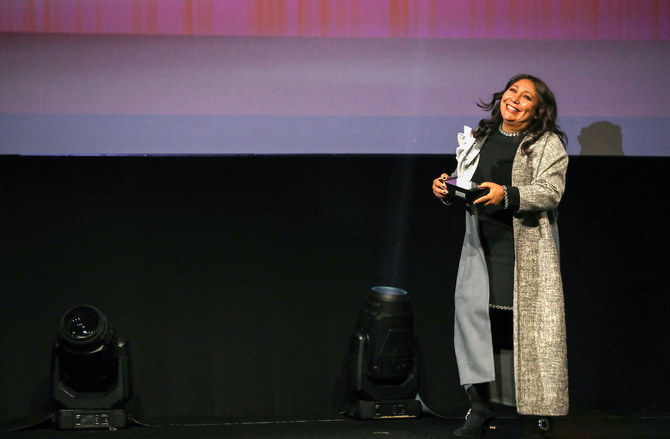
Haifaa Al-Mansour is a Saudi film director. (AFP)
Short Url
Updated 08 December 2021
Follow

Women in the spotlight at first-ever Red Sea International Film Festival in Jeddah

  • Awards for Catherine Deneuve, Saudi director Haifaa Al-Mansour and Egyptian actress Laila Eloui

JEDDAH: The star-studded red carpet on the opening night of the Red Sea International Film Festival in Jeddah featured a who’s who of local and international talent.

Among those honored during the opening ceremony on Monday for their contributions to cinema were three women: Veteran French actress Catherine Deneuve, Saudi film director Haifaa Al-Mansour, and Egyptian actress Laila Eloui.
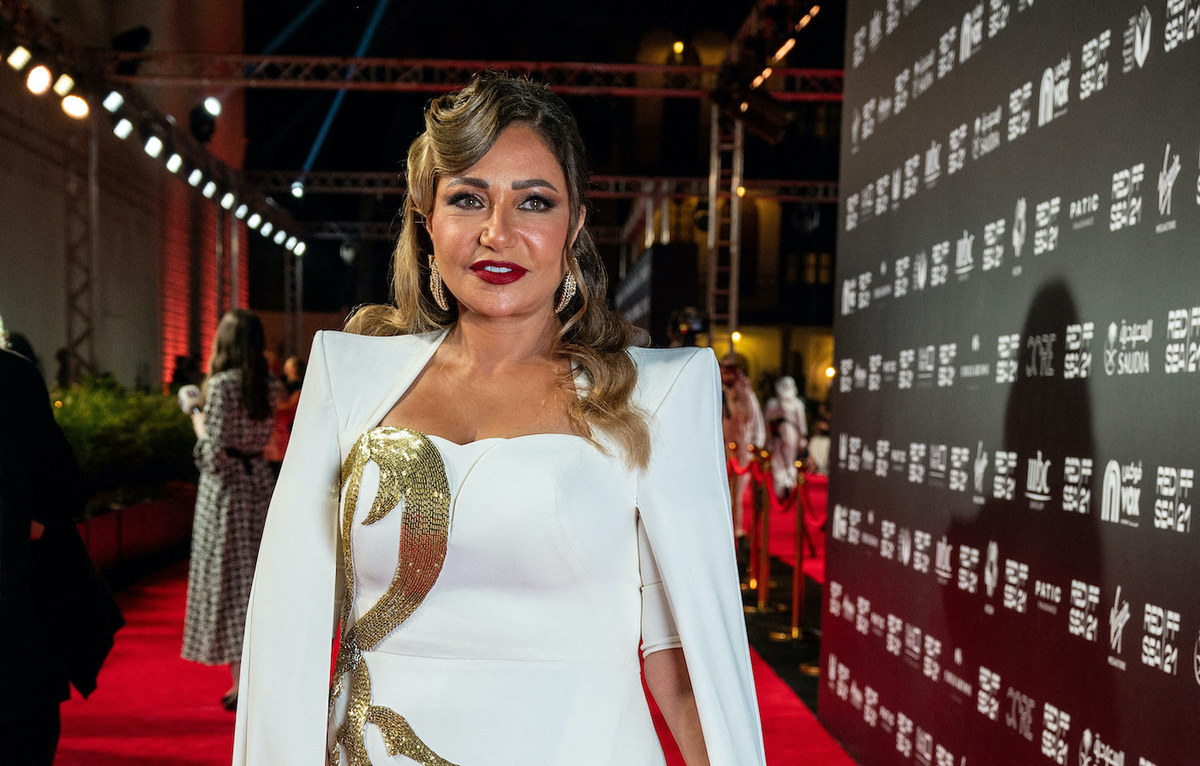


Among those honored during the opening ceremony on Monday for their contributions to cinema was Egyptian actress Laila Eloui. (AFP)

“I am very happy and proud to be here this evening, to have been invited to the first edition of the Red Sea International Film Festival,” said 78-year-old Deneuve upon receiving her award. The multi-award-winning actor made her film debut in 1957 with a small role in Andre Hunebelle’s “Les Collegiennes” and found international acclaim in the decades that followed with starring roles in films such as “Repulsion,” “Belle de Jour,” “8 Women,” “Dancer in the Dark” and “Indochine.”
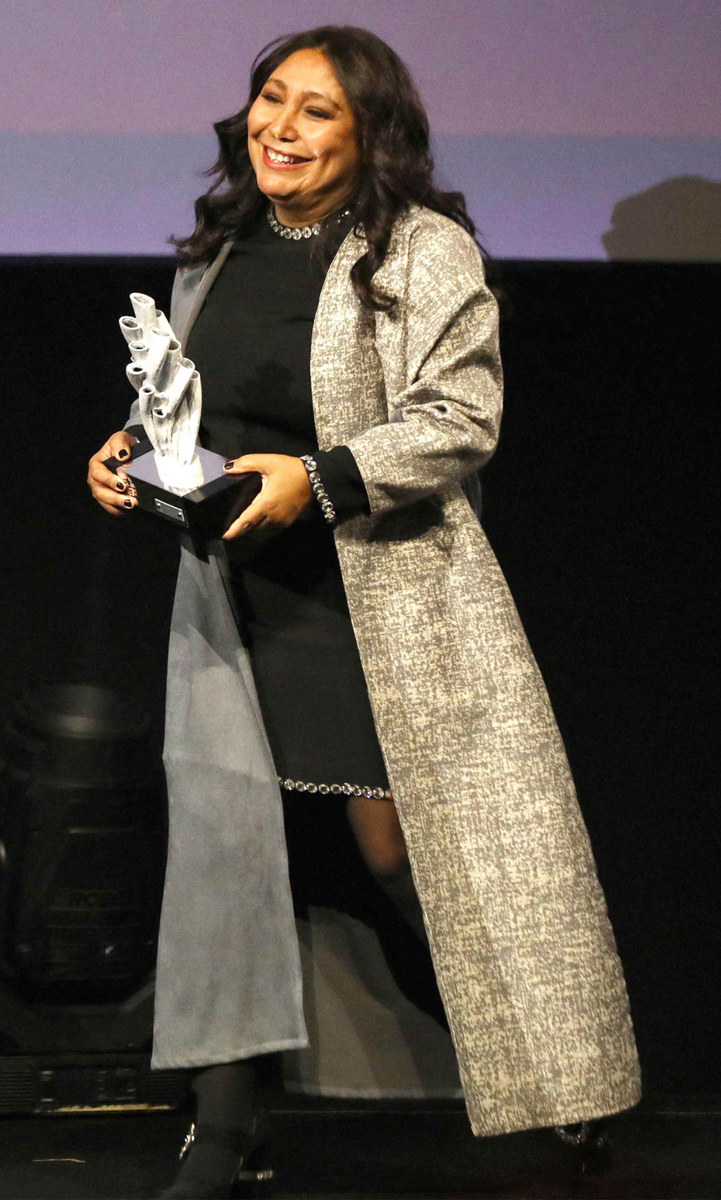


Haifaa Al-Mansour, the first Saudi female director, won a number of international awards for her feature debut, ‘Wadjda,’ in 2012.

“It is always an honor to have your work recognized by the film industry,” she added. “I am particularly grateful for this honor and the opportunity to be part of this larger celebration of the contribution of women to cinema.
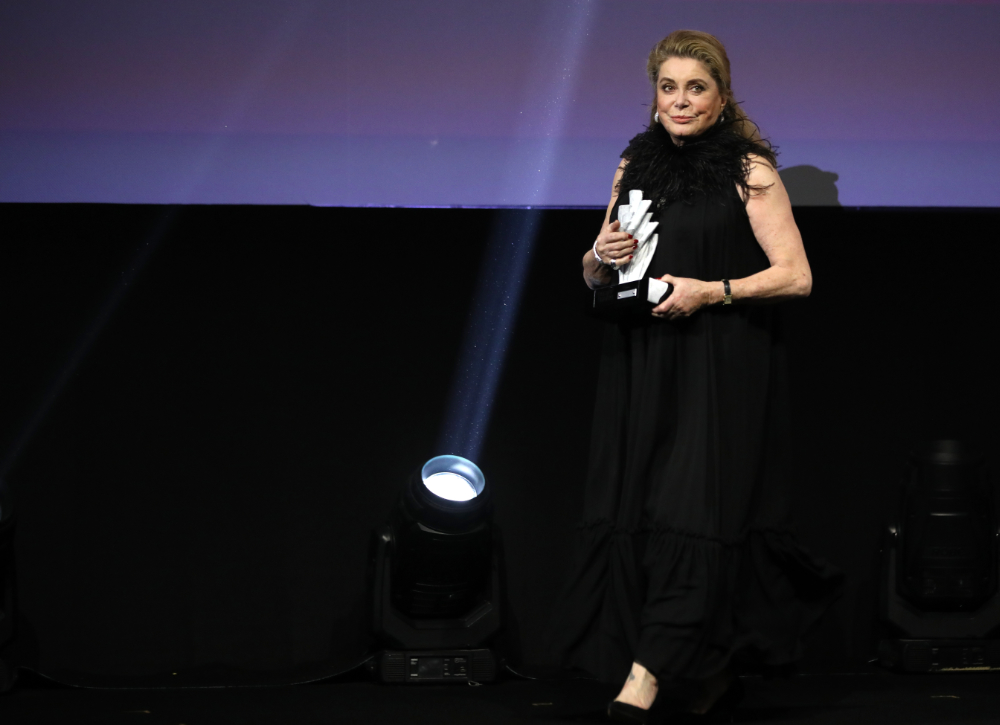


The Red Sea International Film Festival honored the Veteran French actress Catherine Deneuve. (AFP)

“I hope my work can help inspire young women to chart their own careers in this industry and I hope this recognition of the contribution of women in cinema in general will continue to underline the importance of having a strong female presence both in front of and behind the camera.”

HIGHLIGHTS

• The festival is celebrating in particular the role women in the film industry, and awards were also presented to two exceptional regional talents for their extraordinary contributions to cinema.

• The Red Sea International Film Festival continues until Dec. 15. It will screen 138 films from 67 countries in 34 languages.

The festival is celebrating in particular the role women in the film industry, and awards were also presented to two exceptional regional talents for their extraordinary contributions to cinema. Al-Mansour, the first Saudi female director, won a number of international awards for her feature debut, “Wadjda,” in 2012, while 59-year-old Egyptian actor Eloui has appeared in more than 70 films.
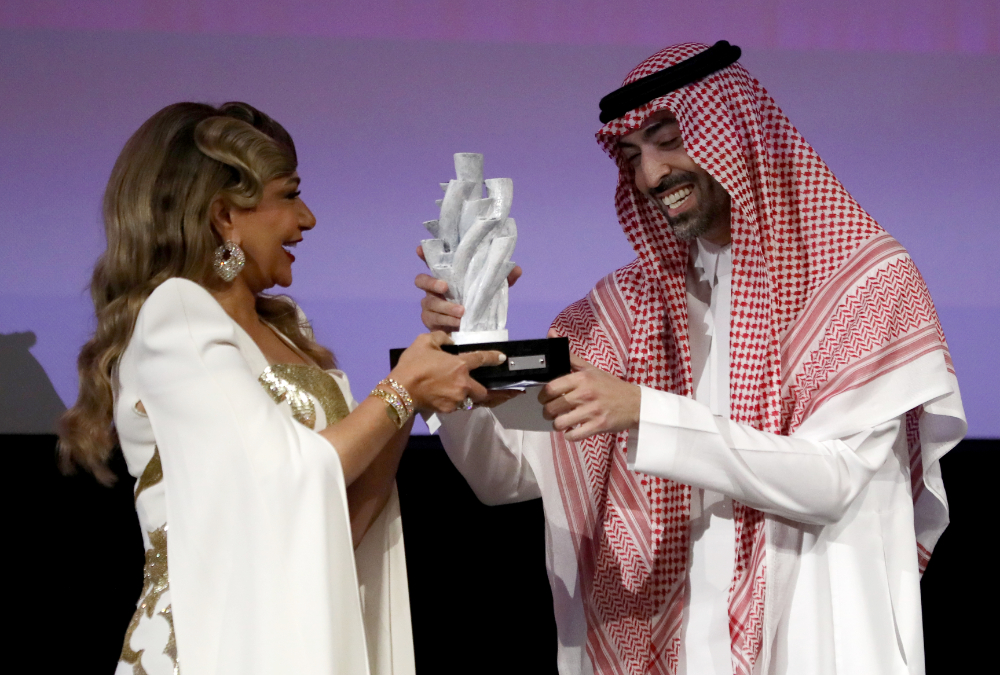


Laila Eloui was awarded on the openeing night of the festival. (Photo: Red Sea International Film Festival)

Also honored during the opening ceremony was Jack Lang, president of the Arab World Institute and long-time supporter of the arts and culture.

“I am personally impressed by this beautiful young Saudi cinema and its inspiring directors,” Lang, a former minister of culture in France, told the festival audience, adding: “Long live the Red Sea International Film Festival, which will become one of the best film festivals in the world.
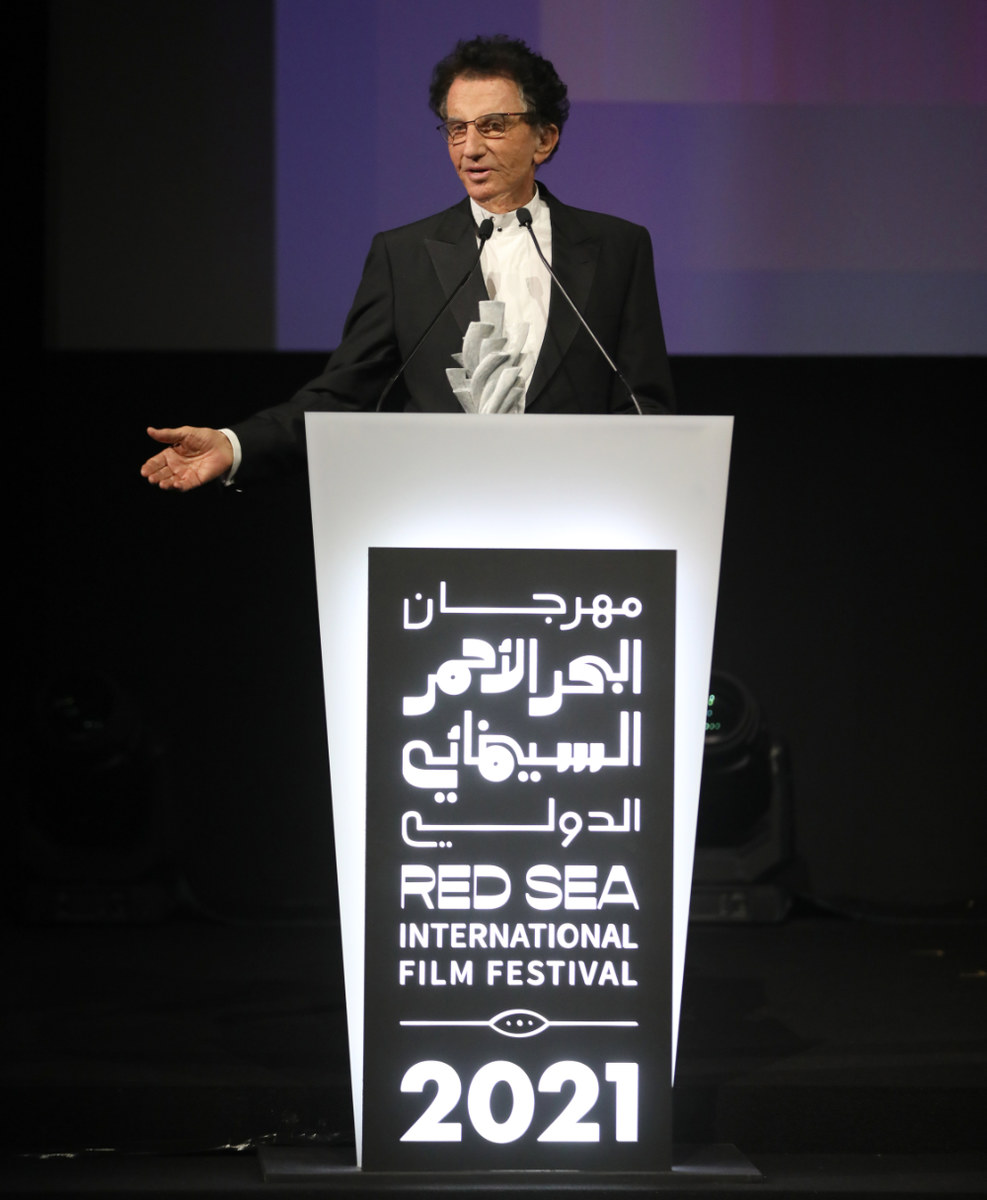


Jack Lang is a former minister of culture in France. (Photo: Red Sea International Film Festival)

“Dear Saudi friends, we admire your work, we admire your commitment to culture and art. We love you.”
In a recent interview with Arab News en Francais, Lang, a major supporter of cultural exchange through the arts it all its forms, said: “People around the world have absolutely no idea how far a real cultural revolution is taking place in Saudi Arabia in all fields, such as art, cinema, theater, literature, painting, sculpture, music.”
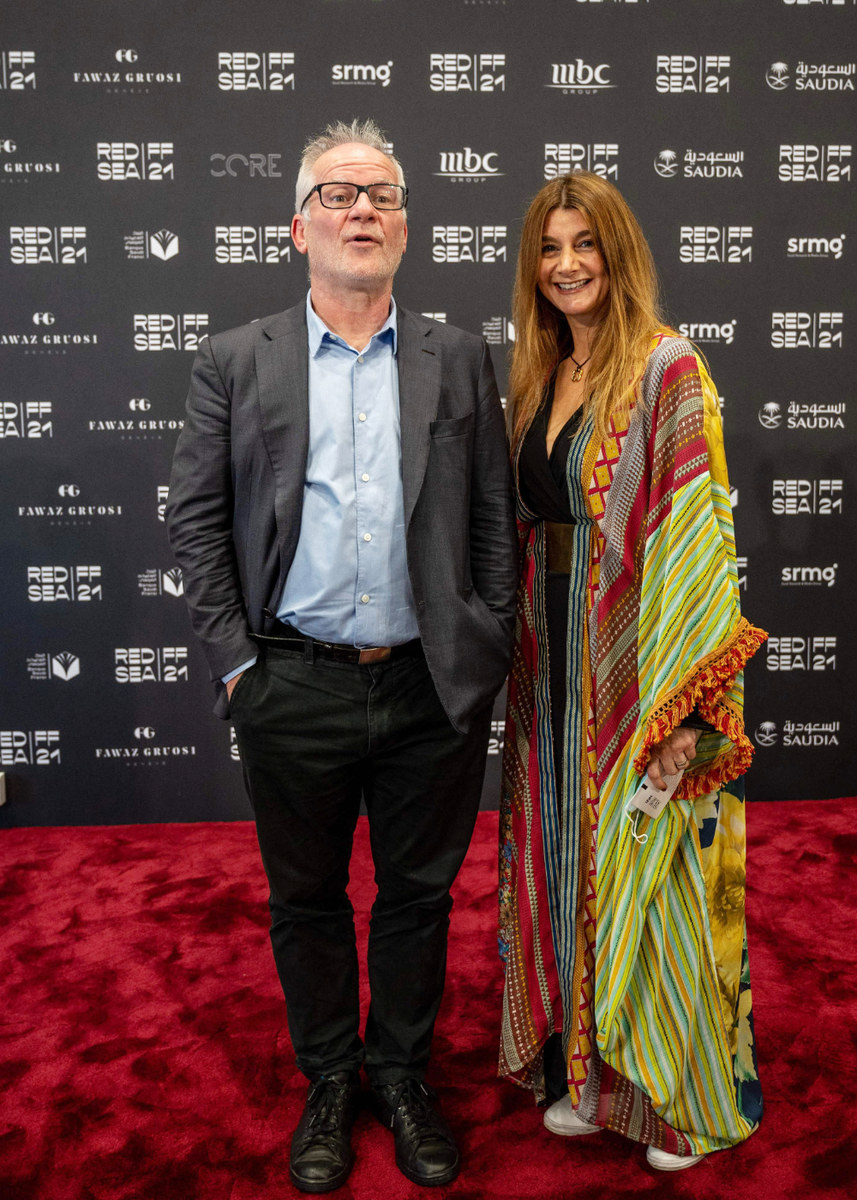

He also expressed his “immense admiration” for the work being done in the Kingdom by Saudi authorities in general and Saudi Culture Minister Prince Badr bin Abdullah bin Farhan in particular.
The Red Sea International Film Festival continues until Dec. 15. It will screen 138 films from 67 countries in 34 languages.


Sheikha Al-Mayassa talks cultural patronage at Art Basel Qatar Conversations panel

Updated 04 February 2026
Follow

Sheikha Al-Mayassa talks cultural patronage at Art Basel Qatar Conversations panel

DOHA: Cultural leaders at the inaugural edition of Art Basel Qatar in Doha have discussed how patronage is reshaping art ecosystems, with Qatar’s own long-term cultural vision at the center.

The opening panel, “Leaders of Change: How is patronage shaping new art ecosystems?” brought together Sheikha Al-Mayassa bint Hamad bin Khalifa Al-Thani, chair of Qatar Museums, and Maja Hoffmann, founder and president of the Luma Foundation, in a discussion moderated by Hans Ulrich Obrist, artistic director of the Serpentine Galleries in London. The talk formed part of the Art Basel Conversations x Qatar Creates Talks program, coinciding with the debut of Art Basel Qatar which runs in Doha until Feb. 8.

Sheikha Al-Thani framed Qatar’s cultural project as a strategic, long-term endeavor anchored in national development. “Qatar has a national vision called 2030 where culture was one of the main pillars for socioeconomic development and human development,” she said. “We have always invested in culture as a means of human development.”

That vision, she explained, underpins the decision to welcome a major international fair like Art Basel to Doha after turning away many previous proposals.

“For the longest time, I can’t tell you how many art fairs came to us wanting to be here, and we never felt it was the right time,” she said. “However, this is an important year for us and we felt, with the surplus of talent and the growing gallery scene we had here, that it was time to bring industry to talent, because that’s how we will spur the economic diversification from hydrocarbon to a knowledge-based society.”

She was also keen to stress that Art Basel Qatar was not conceived as a conventional marketplace.

 “This is not your typical art fair … It’s a humane art fair where engagement is more important than transaction, discourse more important than division, and curiosity more important than conviction,” she added.

That ethos extends to the fair’s artistic leadership. Al-Thani described how the decision to have an artist — Wael Shawky — serve as artistic director emerged collaboratively with Art Basel’s team.

“He’s a global artist who’s now become a very local artist, very invested in our local art scene. And really, I think that’s the beauty of partnerships … There is a safe space for us to critique each other, support each other, and really brainstorm all the possibilities … and then come to a consensus of what would make sense for us,” she said.

Collecting art, she added, has long been embedded in Qatari society: “My grandmother is almost 100 years old. She was collecting in the 60s when Qatar was a very poor country. It’s in our DNA … always with this notion of investing in knowledge and human development.”

Today, that impulse translates into comprehensive, multi-disciplinary collections: “We are both collecting historical objects, contemporary objects, modern objects, architecture, archival material, anything that we feel is relevant to us and the evolution of this nation towards a knowledge-based economy.”

Looking ahead, Al-Thani outlined a new cultural triangle in Doha — the National Museum of Qatar, the Museum of Islamic Art and the forthcoming Art Mill Museum — as engines for both economic diversification and intellectual life.

 “That ecosystem will enhance the economic growth and diversification, but also the knowledge that’s available, because the diversity in the collections between these three institutions will no doubt inspire young people, amateurs, entrepreneurs to think outside the box and inform their next business,” she said.

The panel closed with a focus on the future of large-scale exhibitions with Rubaiya, Qatar’s new quadrennial, timed to coincide with the anniversary of the 2022 World Cup.

“Every four years in memory of the opening of the World Cup, we will open the quadrennial. This year, the theme is ‘Unruly Waters.’ At the center of the theme is Qatar’s trading route to the Silk Road,” explained Al-Thani.

“It’s important for us to trace our past and claim it and share it to the rest of the world, but also show the connectivity that Qatar had historically and the important role it has been playing in diplomacy.”