


JEDDAH: “In 2018 I was diagnosed with HPV strains 16 and 18, the leading cause for cervical cancer in women,” 36-year-old H.A. from Jeddah told Arab News. “My life has changed since then. I now live in a constant state of fear of a future with cervical cancer. Every year for the foreseeable future, I must go through biopsies to monitor and detect the onset of cancer.”
Cervical cancer is caused by the human papillomavirus, a common group of viruses that affects the skin. Although there are more than 100 different types of HPV, most do not cause problems. But there are certain types that can cause cancers and fall within the high-risk types.
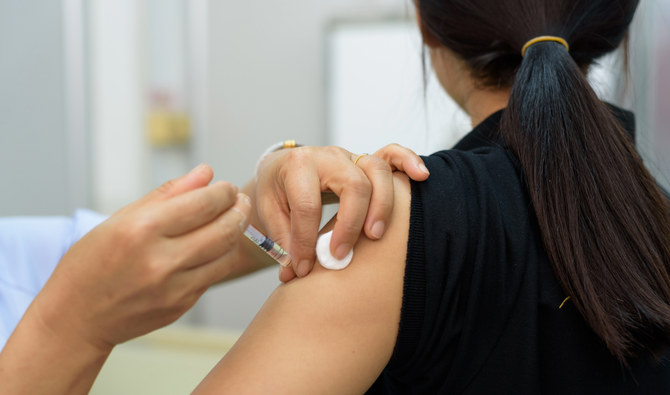
Earlier this month, Dr. Abdullah Asiri, assistant deputy minister for preventive medicine, announced that the Saudi Ministry of Health was launching a large-scale HPV vaccination program for girls aged nine to 13 to immunize them against cervical cancer.
The HPV vaccine has been available since 2006. It has been approved and recommended by the World Health Organization since 2009, and many countries have introduced vaccine programs as part of early-screening initiatives. As the vaccine is a highly effective and cost-effective preventive measure, many nations have adopted the strategy to minimize the onset of cancer.
A 2021 HPV Information Centre study showed that approximately 358 new cervical cancer cases are diagnosed annually in Saudi Arabia, where cervical cancer ranks as the eighth most common cause of female cancer in women aged 15 to 44.
Many studies have shown that the rising incidence of HPV infection and cervical cancer can be reduced by effective vaccination from the age of nine.
A 2021 study said that, as of June last year, 107 of the WHO’s 194 member states had introduced HPV vaccination. There is growing evidence that HPV is the leading cause of cervical cancer in women, where 70 percent of cases are from HPV strains 16 and 18, and the Kingdom is set to protect people at risk against vaccine-preventable diseases such as cervical cancer.
But the current debate on social media concerns the early age of nine to 13 for HPV vaccination.
“Numerous studies have shown that, to get 100 percent immunogenicity, the vaccine must be administered from ages nine to 26,” oncological obstetrics and gynecology consultant Dr. Abdulrahim Gari told Arab News. “Women can take it beyond the age of 26, but will not get the full immunity. The ideal age being as early as nine is because the vaccine works best before exposure to the virus.”
The Saudi Food and Drug Authority has previously approved the prophylactic HPV vaccine in 2010 for females aged 11 to 26.
“I encourage you, mothers and sisters, to protect your loved ones,” mother-of-two H.A. said. “Educate your children from an early age with awareness and vaccination before it’s too late.”


