

25 killed as Daesh hit Kabul hospital

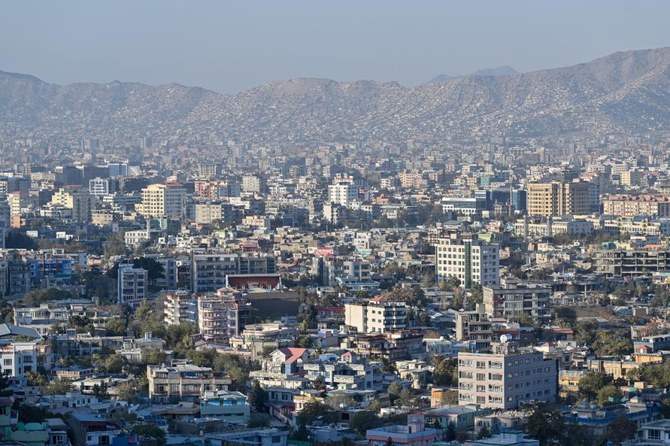
A photograph shows a general view of Kabul on November 1, 2021. (File/AFP)
Short Url
Updated 02 November 2021
Follow

25 killed as Daesh hit Kabul hospital

  • The explosions were the latest in a string of attacks in the weeks since the Taliban seized power in August
  • The hospital was previously attacked in 2017, when gunmen disguised as medical personnel killed at least 30 people

JEDDAH: At least 25 people were killed and more than 50 injured in a Daesh suicide bomb and gun attack on Tuesday targeting Afghanistan’s biggest military hospital in central Kabul.

Among the dead was Mawlawi Hamdullah Mukhlis, head of the Kabul military corps and one of the first senior Taliban commanders to enter the abandoned presidential palace when the city fell in mid-August.

The attack began with two explosions at the entrance to the 400-bed Sardar Mohammad Daud Khan hospital, followed by an assault by a group of Daesh gunmen, all of whom were killed within 15 minutes.

Taliban spokesman Zabihullah Mujahid said special forces dropped by helicopter had prevented the attackers from entering the hospital itself, and all the gunmen had been killed at the entrance or in the courtyard. It was one of the first times Taliban forces had used aircraft captured from the deposed Western-backed government.

Daesh attacks have caused mounting worries outside Afghanistan about the potential for the country to become a haven for militant groups, as it was when Al-Qaeda attacked the US in 2001.

“It’s just about the biggest concern at the moment for everyone, in the region and in the West,” a senior Western diplomat said.

The concern has been worsened by a spiraling economic crisis that has left thousands of former fighters with no jobs.

The abrupt withdrawal of international support following the Taliban takeover has brought Afghanistan’s fragile economy to the brink of collapse and a severe drought threatens millions with hunger.


UN experts concerned by treatment of Palestine Action-linked hunger strikers

Updated 26 December 2025
Follow

UN experts concerned by treatment of Palestine Action-linked hunger strikers

  • Eight prisoners awaiting trial for alleged offences connected to the group have taken part in the protest

LONDON: UN human rights experts have raised concerns about the treatment of prisoners linked to Palestine Action who have been on hunger strike while on remand, warning it may breach the UK’s international human rights obligations.

Eight prisoners awaiting trial for alleged offences connected to the group have taken part in the protest, reported The Guardian on Friday.

Among them are Qesser Zuhrah and Amu Gib, who were on hunger strike at HMP Bronzefield from Nov. 2 to Dec. 23, and Heba Muraisi, held at HMP New Hall. Others include Teuta Hoxha, Kamran Ahmed and Lewie Chiaramello, who has refused food on alternate days due to diabetes.

Zuhrah and Gib temporarily resumed eating this week because of deteriorating health but said they plan to resume the hunger strike next year, according to Prisoners for Palestine.

In a statement issued on Friday, UN special rapporteurs, including Gina Romero and Francesca Albanese, said the handling of the prisoners was alarming.

“Hunger strike is often a measure of last resort by people who believe that their rights to protest and effective remedy have been exhausted. The state’s duty of care toward hunger strikers is heightened, not diminished,” they said.

Three of the prisoners were in hospital at the same time on Sunday, with Ahmed admitted on three occasions since the hunger strike began.

The experts said: “Authorities must ensure timely access to emergency and hospital care when clinically indicated, refrain from actions that may amount to pressure or retaliation, and respect medical ethics.”

Prisoners for Palestine has alleged that prison staff initially denied ambulance access for Zuhrah during a medical emergency last week, with hospital treatment only provided after protesters gathered outside the prison.

“These reports raise serious questions about compliance with international human rights law and standards, including obligations to protect life and prevent cruel, inhuman or degrading treatment,” the experts said, adding: “Preventable deaths in custody are never acceptable. The state bears full responsibility for the lives and wellbeing of those it detains. Urgent action is required now.”

Families and supporters have called for a meeting with Justice Secretary David Lammy, while lawyers claim the Ministry of Justice has failed to follow its own policy on handling hunger strikes.

Government officials are understood to be concerned about the prisoners’ condition but cautious about setting a wider precedent.