- Pakistan has treasure-trove of ruins but over the years many have been built over, pilfered or succumbed to the elements
- KP province is home to many ancient sites, including Buddhist monastery considered among the most imposing relics in Gandhara
PESHAWAR: Officials in Pakistan’s northwestern Khyber Pakhtunkhwa (KP) province say Prime Minister Imran Khan’s tweet last week featuring a seventh century Buddhist rock engraving coupled with ongoing efforts by the government to develop infrastructure and improve access to centuries-old sites in the region would have a “huge impact.”
A cradle of ancient civilizations and crossroads of Greek, Buddhist, Hindu and Muslim cultures, Pakistan has a treasure-trove of ruins. Over the years, however, many have been built over, pilfered by art thieves and locals, or succumbed to the elements.
But the government of PM Khan, which came into power in 2018, has said it wants to change the fortunes of the tourism industry, devastated by militant violence in the last two decades.
In special focus is Khyber Pakhtunkhwa, home to several ancient sites, including the Takht-i-Bahi monastery, considered among the most imposing relics of Buddhism in all of the Gandhara. In 2019, the provincial government announced a strategy to increase tourism to at least 132 sites of historical and religious importance in the region. The federal government estimates there are more than 1,000 such sites around the country.
Dr. Abdul Samad, KP director for archaeology and museums, said the PM’s tweet, posted last week, about a rock engraving of the Buddha located in Jahan Abad in Swat was already generating interest from tourists.
“Many people are asking the exact location of the site and how to go there,” Samad told Arab News.
Faisal Amin Khan, a member of the provincial assembly from KP’s Dera Ismail Khan district, said the PM personally highlighting historical sites would “boost foreign and local tourism.”
Samad said militants tried to blow up the seventh-century rock carving in Jahan Abad in an attack in 2007 reminiscent of the destruction by the Taliban of ancient Buddha statues carved into a cliff face in Afghanistan in 2001.
“Later, with the help of an Italian archaeological mission, we restored it in its original shape in 2012,” Samad said. “Now, it is the most beautiful and well-preserved site in the province.”
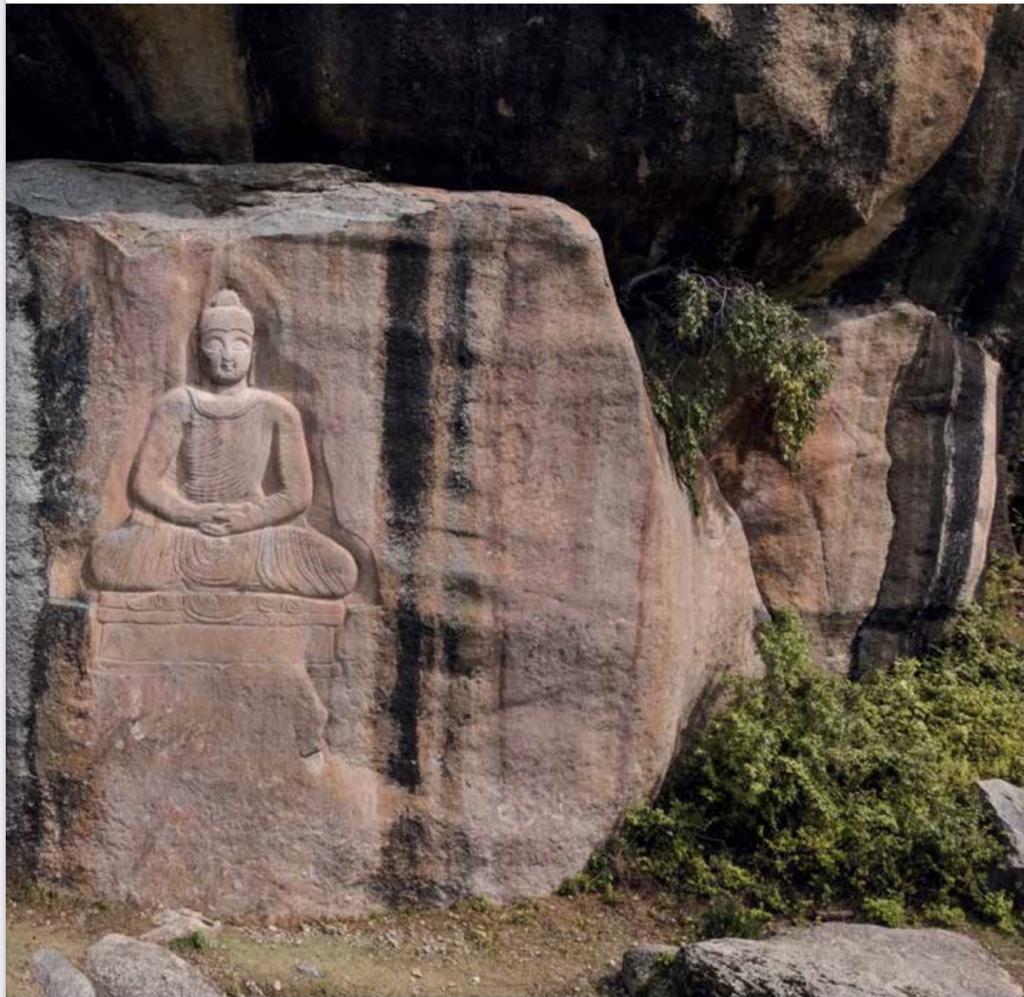
Dr. Zakirullah Jan, an archaeologist at the University of Peshawar, agreed, saying the Jahan Abad carving was one of the key Buddhist sites in the region and would help promote religious tourism.
“This particular place in Jahan Abad is thought to be one of the most significant Buddhist areas of the past,” he told Arab News.
“The way Muslims visit sacred sites in Saudi Arabia, Palestine and other places, followers of other religions come to Pakistan to explore and visit their sacred temples and shrines,” he added. “I think we have unprecedented tourism potential that needs to be promoted.”
Other than the Buddhist rock carving, Samad said the provincial administration was also working to develop infrastructure, such as road networks and tourist facilities, around Kafir Kot, a complex of the ruins of ancient Hindu temples and a fort in Dera Ismail Khan District.
“The Kafirkot temples are among the oldest clusters of Hindu temples in the region that date back to 7th and 8th centuries AD,” he said. “These will definitely play a vital role in improving religious tourism in the Dera Ismail Khan region.”
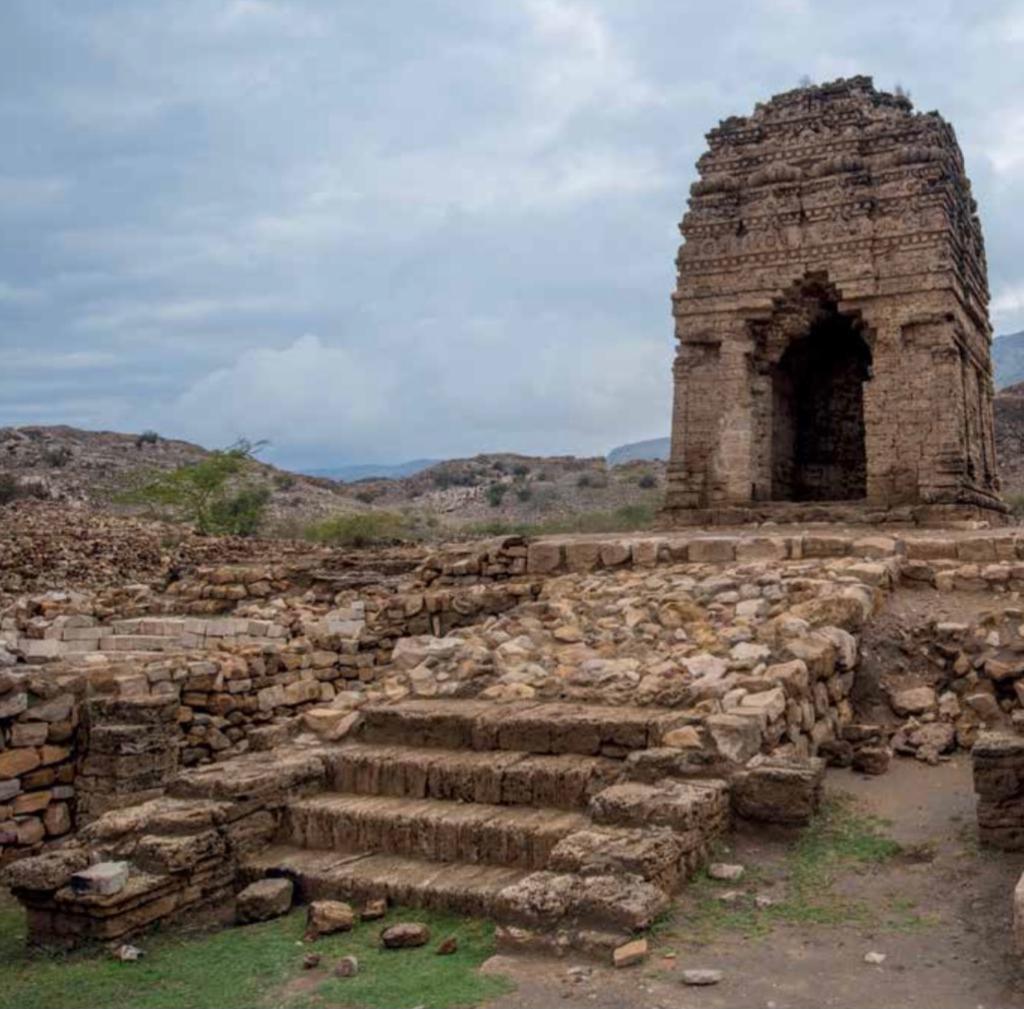
Legislator Khan said the provincial administration had constructed a road leading up to one of the temples, and there were enough funds to develop a more elaborate infrastructure.
“The construction and structure of the temples depict a very ancient civilization and we will preserve these for our next generation,” Khan said. “We will preserve and protect them irrespective of whether it is a Muslim, Hindu or Gandhara heritage since it is part of the history of the region.”
In 2017, the KP government also unveiled the remains of a 1,700-year-old sleeping Buddha image as part of an initiative to encourage tourism and project religious harmony.
A reflection of the diverse history and culture of the South Asian country, the ancient Buddhist site in Bhamala province was first discovered in 1929. Eighty-eight years on, excavations resumed and the 14-meter-(48-foot)-high Kanjur stone Buddha image was unearthed.
Jan said if authorities developed and preserved such sites, “it will surely boost religious tourism in the country.”