

Grapple gangs: Afghan fighters seek glory on a dusty Kabul field

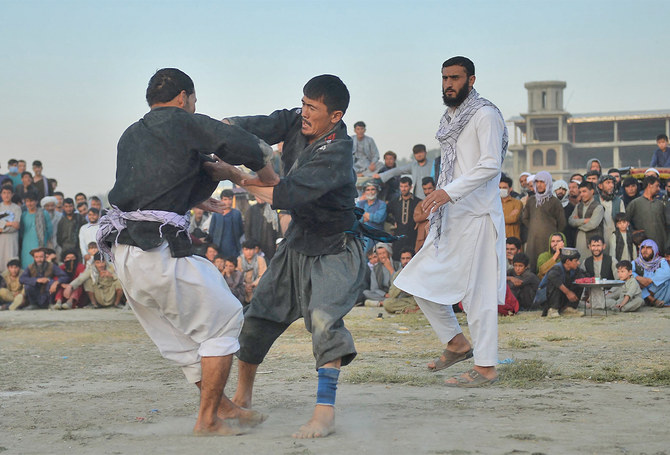
This picture taken on September 24, 2021 shows a fighter celebrating after compiting in a judo and wrestling gathering in Chaman-e-Huzuri park, downtown Kabul, Afghanistan. (AFP)
Short Url
Updated 26 September 2021
Follow

Grapple gangs: Afghan fighters seek glory on a dusty Kabul field

  • Judo and wresting are particularly popular, with villages and districts producing local champions
  • The informal gatherings attract big partisan crowds, with fans cheering for their favorites

KABUL: Every weekend, fighters from around Afghanistan gather on a public field in the capital to pit their skills against each other in a sport that is a mix of judo and wrestling.
The informal gatherings attract big partisan crowds, with fans cheering for their favorites — usually someone from their home district — and jeering those they want to see lose.
“I have been fighting for 17 years,” said Mohammad Atef, a well-built 31-year-old from Samangan province in northern Afghanistan, after disposing of his opponent with an expert throw.
“It is popular is Samangan, Kunduz, Baghlan — and there are many famous wrestlers in Sheberghan too.”


This picture taken on September 24, 2021 shows a fighter celebrating after compiting in a judo and wrestling gathering in Chaman-e-Huzuri park, downtown Kabul, Afghanistan. (AFP)

Judo and wresting are particularly popular in the north, with villages and districts producing local champions they put forward for regional contests and even national glory.
The discipline the Afghans follow on the dusty field is a mix of both, with referees to make sure an obscure set of rules is followed and to declare a winner.
Bouts are usually settled quickly — a fight rarely lasts longer than a minute or two — with opponents giving each other a sporting hug no matter the result.
“Today my competitor was from Kunduz,” said Atef after disposing of his rival with an acrobatic throw.
“I used a spiral technique and I finally defeated him.”
Matches are made by promoters who choose opponents based on a combination of weight and record.


This picture taken on September 24, 2021 shows a fighter celebrating after compiting in a judo and wrestling gathering in Chaman-e-Huzuri park, downtown Kabul. (AFP)

There is a small purse for the winner and although gambling is officially banned by the Taliban, it is clear side bets are made on the bouts — with money furtively changing hands between wily old spectators after each fight.
Hekmat, a 21-year-old also from Samangan, is just starting his career and was beaming after his first victory at the weekend.
“It is around 10 years that I am wrestling... from childhood,” he told AFP.
“I have just come to Kabul in recent months after I have wrestled in other provinces and districts.”
There was no sign of the Taliban in the crowd gathered in Kabul — those present say the group eschews physical contests.
“We organize this ourselves,” said one referee. “This is not for the Taliban.”
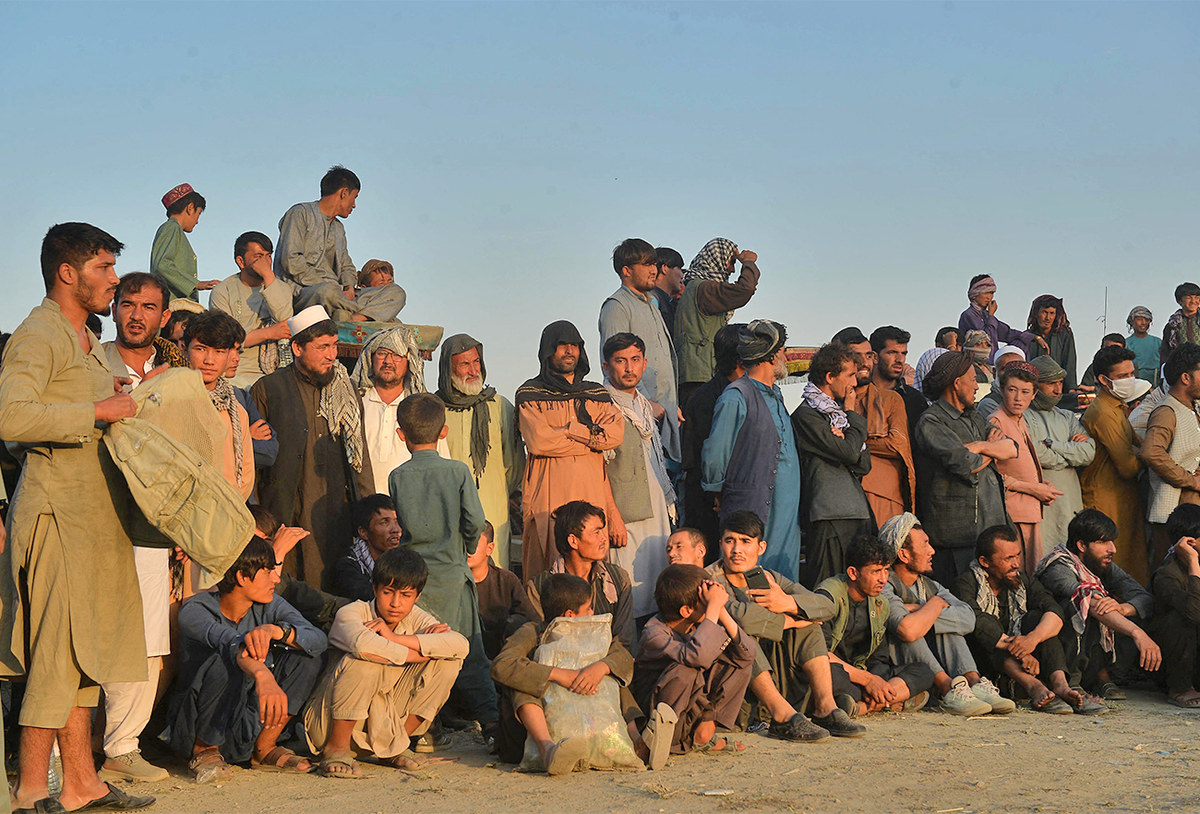


People gathering around to watch fighters from around Afghanistan performing their judo and wrestling skills in Chaman-e-Huzuri park, downtown Kabul, Afghanistan, on September 24, 2021. (AFP)


UN experts concerned by treatment of Palestine Action-linked hunger strikers

Updated 8 sec ago
Follow

UN experts concerned by treatment of Palestine Action-linked hunger strikers

  • Eight prisoners awaiting trial for alleged offences connected to the group have taken part in the protest

LONDON: UN human rights experts have raised concerns about the treatment of prisoners linked to Palestine Action who have been on hunger strike while on remand, warning it may breach the UK’s international human rights obligations.

Eight prisoners awaiting trial for alleged offences connected to the group have taken part in the protest, reported The Guardian on Friday.

Among them are Qesser Zuhrah and Amu Gib, who were on hunger strike at HMP Bronzefield from Nov. 2 to Dec. 23, and Heba Muraisi, held at HMP New Hall. Others include Teuta Hoxha, Kamran Ahmed and Lewie Chiaramello, who has refused food on alternate days due to diabetes.

Zuhrah and Gib temporarily resumed eating this week because of deteriorating health but said they plan to resume the hunger strike next year, according to Prisoners for Palestine.

In a statement issued on Friday, UN special rapporteurs, including Gina Romero and Francesca Albanese, said the handling of the prisoners was alarming.

“Hunger strike is often a measure of last resort by people who believe that their rights to protest and effective remedy have been exhausted. The state’s duty of care toward hunger strikers is heightened, not diminished,” they said.

Three of the prisoners were in hospital at the same time on Sunday, with Ahmed admitted on three occasions since the hunger strike began.

The experts said: “Authorities must ensure timely access to emergency and hospital care when clinically indicated, refrain from actions that may amount to pressure or retaliation, and respect medical ethics.”

Prisoners for Palestine has alleged that prison staff initially denied ambulance access for Zuhrah during a medical emergency last week, with hospital treatment only provided after protesters gathered outside the prison.

“These reports raise serious questions about compliance with international human rights law and standards, including obligations to protect life and prevent cruel, inhuman or degrading treatment,” the experts said, adding: “Preventable deaths in custody are never acceptable. The state bears full responsibility for the lives and wellbeing of those it detains. Urgent action is required now.”

Families and supporters have called for a meeting with Justice Secretary David Lammy, while lawyers claim the Ministry of Justice has failed to follow its own policy on handling hunger strikes.

Government officials are understood to be concerned about the prisoners’ condition but cautious about setting a wider precedent.