Saudi output growth falls sharply to lowest in 10 months: IHS Markit

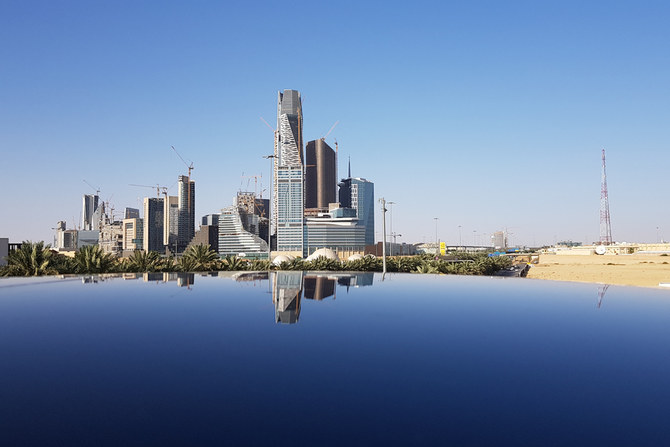
Riyadh, Saudi Arabia. Image: Shutterstock
Short Url
Updated 05 September 2021
Follow

Saudi output growth falls sharply to lowest in 10 months: IHS Markit

  • August PMI data from IHS Markit survey data showed a fall to 54.1 in August
  • The non-oil sector weakened in August with output expansion at its weakest in 10 months

Saudi Arabia's activity growth in the non-oil sector weakened in August with output expansion at its weakest in 10 months.

August PMI data from IHS Markit survey data showed a fall to 54.1 in August down from July's 55.8. 

Despite the fall, the reading suggested an improvement in the non-oil sector, albeit a slower growth as the subdued recovery was put down in part to increases in Covid-19 cases globally dampening foreign demand. 

The knock-on effects of the softer recovery saw business confidence and hiring growth remain muted with SA firms reporting a low level of hiring activity in August.

David Owens,  Economist at IHS Markit, said: "The non-oil economy went slightly off the boil in August, as output growth slipped to the weakest level for ten months amid a slowdown in new business gains. Whilst domestic orders remained strong and firms saw an upturn in tourist numbers, many businesses continued to find market conditions challenging amid the pandemic."

He added that "the unpredictability of the pandemic meant that downside risks remained high," which could keep a lid on firms' future activities.


Arab Cities Culture and Creative Industries Index launched

Updated 11 sec ago
Follow

Arab Cities Culture and Creative Industries Index launched

  • UNESCO official says the index ‘strengthens the evidence base on culture and creative industries in the Arab region’
  • It is planned as an advanced policy-enabling tool designed to position culture and creative industries as core components of future governance models

DUBAI: The Mohammed bin Rashid School of Government launched the 2026 edition of the Arab Cities Culture and Creative Industries Index on Wednesday.

Building on UNESCO’s frameworks to quantify the contributions that culture and creativity make to urban development in the Arab region, the index is the first regionally grounded and evidence-based framework.

Ernesto Ottone Ramirez, UNESCO’s assistant director-general for culture; Hala Badri, director-general of Dubai Culture; and Ali Al-Marri, MBRSG’s executive president, attended a special panel at the World Governments Summit in Dubai, during which the index was announced.

Welcoming the launch of the Index, Ramirez said: “It strengthens the evidence base on culture and creative industries in the Arab region, providing reliable, comparable, and policy-relevant figures.

“Such data is essential to guide public investment, inform decision-making, support inclusive cultural policies, and monitor culture’s contribution to sustainable development.”

The launch marks a definitive transition from ambition-led strategies to data-informed cultural policymaking, according to Al-Marri, who said: “By positioning culture as a core component of governance and a productive economic sector with measurable impact, we provide Arab cities with the tools to benchmark their creative ecosystems against global standards while respecting our unique regional context.”

According to a media release, the index is planned as an advanced policy-enabling tool designed to position culture and creative industries as core components of future governance models, marking a significant paradigm shift in which culture is recognized not merely as a social asset but as a strategic pillar of economic resilience, innovation, and inclusive growth.

Badri emphasized that the launch of the index represents an important step in highlighting culture’s role in advancing societies and positioning the cultural and creative industries as key contributors to the emirate’s knowledge- and innovation-driven economy.