

Saudi counter-extremism center chief visits Iraq for talks on ‘common enemy’ of extremism

1 / 3
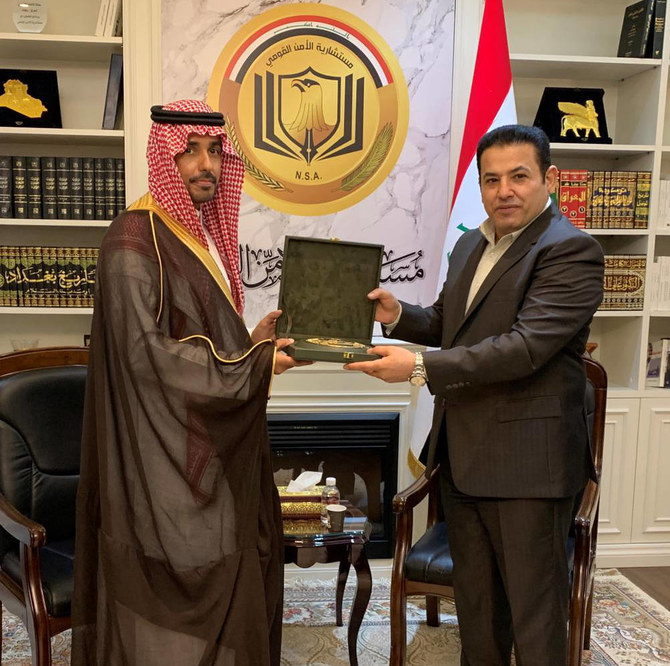
Etidal chief visits Iraq for talks on ‘common enemy’ of extremism. (Supplied)
2 / 3
Etidal chief visits Iraq for talks on ‘common enemy’ of extremism. (Supplied)
3 / 3
Etidal chief visits Iraq for talks on ‘common enemy’ of extremism. (Supplied)
Short Url
Updated 24 August 2021
Follow

Saudi counter-extremism center chief visits Iraq for talks on ‘common enemy’ of extremism

  • Al-Araji praised the growth of Iraqi-Saudi relations, and lauded Etidal’s efforts to combat extremism

JEDDAH: Secretary-general of the Global Center for Combating Extremist Ideology (Etidal), Dr. Mansour Al-Shammari, arrived in Iraq on an official visit that will include joint meetings and discussions focused on combating extremism.

The Iraqi national security adviser Qasim Al-Araji received the secretary-general and the accompanying delegation on Monday in the presence of the Saudi Ambassador to Iraq, Abdul Aziz Al-Shammari.

Al-Araji praised the growth of Iraqi-Saudi relations, and lauded Etidal’s efforts to combat extremism.

“Iraq has a rich experience in the field of combating terrorism, which can be utilized to combat extremist ideology,” the secretary-general said.

He added: “Etidal, with the tools and competencies it possesses, is at the service of Iraq and ready to support its efforts in the field of combating the thoughts and ideologies of extremist and terrorist organizations.”
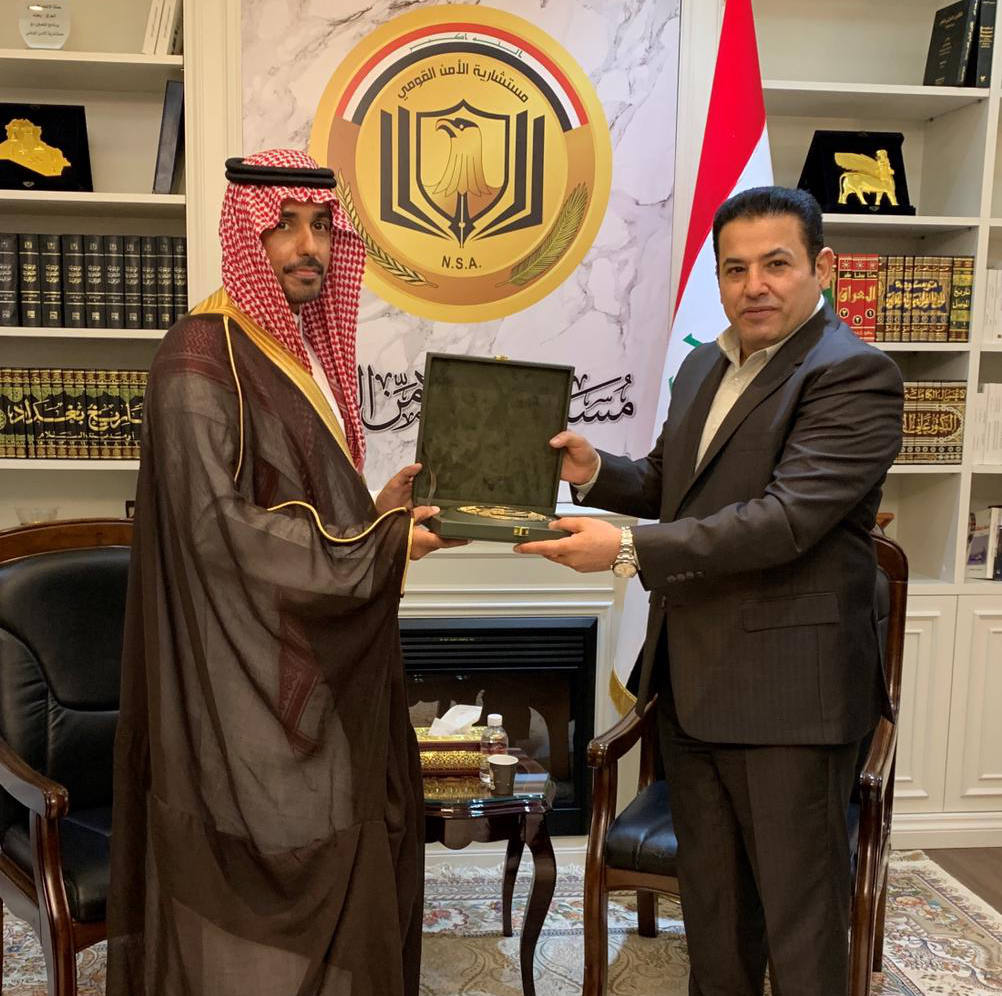
Al-Shammari was also received by Abdul Ghani Al-Asadi, head of the National Security Service, for discussions on joint cooperation and coordination on issues of common interest as well as ways to exchange, support and promote expertise.

Al-Asadi commended Etidal’s role in combating extremist ideology, saying that he looked forward to additional joint action and expertise exchange in order to “deal with this ideology and lead our society, current and future generations to safety.”

“Extremist ideology is the common enemy that we are combating together. We are happy to enhance cooperation to protect the current and future generations from its dangers,” Al-Shammari said.

He also visiterd Al-Nahrain Center for Strategic Studies, where he met with Ali Nasser, the center’s director-general, and officials.

Etidal’s delegation was briefed on efforts by the center’s departments, and held joint discussions on furthering cooperation between the two sides.


Saudi Arabia launches initiative to reroute Gulf cargo to Red Sea ports

Updated 13 March 2026
Follow

Saudi Arabia launches initiative to reroute Gulf cargo to Red Sea ports

  • The initiative comes as shipping through the Strait of Hormuz has been severely disrupted by the widening conflict in the region
  • Since the US and Israel struck Iran last month, Tehran has moved to restrict passage through the waterway


RIYADH: Saudi Arabia has launched an initiative to redirect shipping from ports in the Arabian Gulf to its Red Sea ports amid the ongoing US-Israel-Iran war.

Transport Minister Saleh Al-Jasser, who also chairs the Saudi Ports Authority (Mawani), launched the Logistics Corridors Initiative alongside Zakat, Tax and Customs Authority Governor Suhail Abanmi, Mawani President Suliman Al-Mazroua, and other officials, the Saudi Press Agency reported.

The initiative will establish dedicated operational corridors to receive containers and cargo redirected from ports in the Kingdom's Eastern Region and other Gulf Cooperation Council states to Jeddah Islamic Port and other Red Sea coast ports.

Al-Jasser said the Kingdom was committed to ensuring supply-chain stability and the smooth flow of goods through global trade routes. Jeddah Islamic Port and other west coast ports, he added, were already playing a key role in accommodating shipments redirected from the east, while also linking Gulf cargo to regional and international markets.

The initiative comes as shipping through the Strait of Hormuz has been severely disrupted by the widening conflict in the region. Iran has long threatened to close the strait — the world's most critical oil and gas chokepoint, through which roughly a fifth of global oil supplies pass — in the event of a war.

Since the US and Israel struck Iran last month, Tehran has moved to restrict passage through the waterway, sending freight rates soaring and forcing shipping companies to seek alternative routes.

Saudi Arabia's Red Sea ports offer a viable bypass, connecting Gulf cargo to global markets without passing through the strait.
