
LONDON: When Rawdah Mohamed lived in an asylum camp after arriving in Norway as a refugee, she was teased at school for wearing a hijab.
Now, the 29-year-old model confidently uses her Somali heritage as inspiration for her role as a fashion editor at the recently launched Vogue Scandinavia.
Not only is Mohamed the first hijab-wearing editor of color at a western fashion magazine, but her journey to her dream job has been an extraordinary one, full of adversity.
The Somali-Norwegian model’s family fled Somalia’s civil war for Kenya when she was a baby. Along with her parents and nine siblings, including an adopted sister, she grew up in a refugee camp in Kenya before moving to Norway as an eight-year-old.
“We came to Norway and for two years we lived in an asylum camp, which was in a very small town. That was very hard because the people there were extremely racist. They didn’t want any refugees there because they thought we were dangerous and we were there to take their jobs,” Mohamed told Arab News.
At school during the two years that Mohamed spent at the asylum camp with her family, she was bullied for wearing her hijab and the other children would take it off in class.
As a result, her teachers discussed not allowing Mohamed to wear the hijab to school, which left her feeling “traumatized and upset.”
“When we were on our way to Norway, my mother kept on saying the country would be safe, that there was no war there and we could do whatever we wanted because we were free,” she said.
The model said she felt as if everyone else was free except for herself in the place where she had hoped to enjoy liberty.
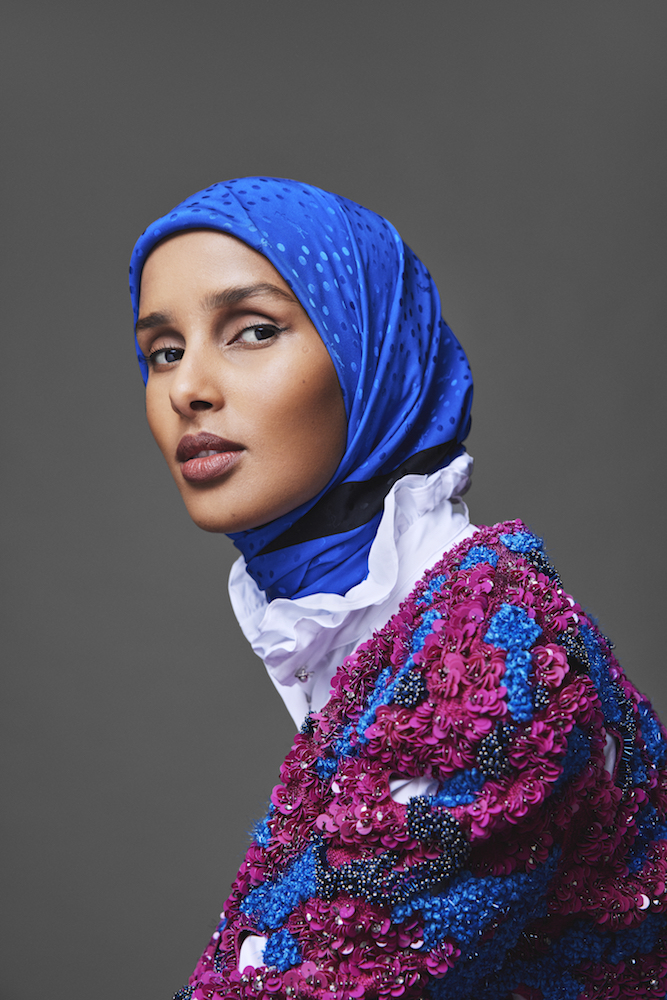
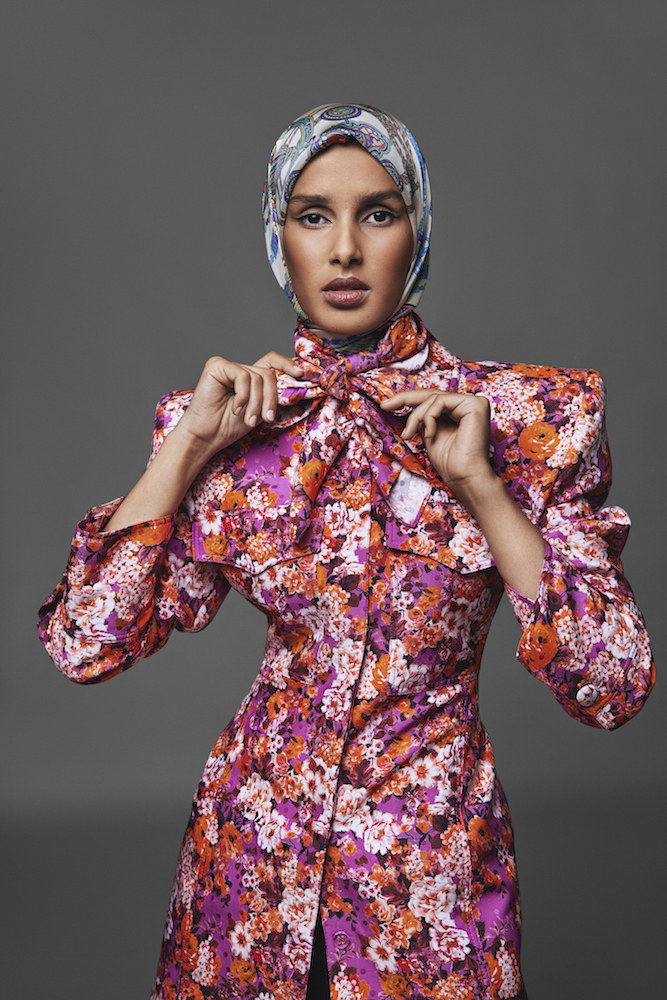
Rawdah Mohamed is the first hijab-wearing editor of color at a western fashion magazine. (Ole Martin Halvorsen)
“When they teach you that there is something wrong with you, that you are the problem and that you have to change, I didn’t like that. I didn’t leave my home and come all the way here for them to tell me that I still don’t have my freedom,” Mohamed explains.
“So I continued wearing the hijab just to make a statement.”
Mohamed said that life improved at age 10 after her family left the camp and were given the right to remain in Norway.
“When we moved, that’s when my real childhood started because we were safe and had a permanent address, a permanent place that we could call home. I hadn’t had that since I was born. My mum was very happy because all her children were safe and we had food and everything we needed,” she said.
Despite not living in Somalia for long, Mohamed said her love for fashion comes from her Somali background.
“We are so colorful in the way we dress,” she said.
The model said she loved watching the women at the refugee camp in Kenya where she spent her early childhood getting ready for a wedding and accompanying her mother to the market to “see what everyone was wearing.”
“At the refugee camp, I was one of the few kids who were allowed to attend the weddings just because I loved what they were doing. I would sit out in the street and watch the ladies go by,” she said.
On Fridays, teenage girls would attend religious classes where they were taught Qur’an and Islamic Studies. The girls would get dressed up for the classes and as a younger girl, she observed their style with envy. The allure of their hijabs is what inspired her to wear one herself eventually.
“In the refugee camp in Kenya, only the teenage girls would wear the hijab. I loved copying what they were wearing and how they spoke and walked. They would put accessories on their hijab and it was very stylish. I really wanted to look like them,” she said.
Mohamed described how “special” having traditional Eid clothes made at the refugee camp was. It was the only occasion for which her parents could afford to buy her new clothes.
“You would buy fabric, take it to a tailor who was always a man and tell him exactly how you wanted the dress so that he could make it for you. That was so special for me,” the model said.
Mohamed said she “sort of stumbled into modeling” after a mutual friend put her in touch with her manager whilst she was at university studying for a degree in behavioral analysis and healthcare.
“I went to a fashion show in Oslo at the end of 2018 where I met my manager. He told me about what they were doing and I went to his office for a meeting and I said I wasn’t sure if I wanted to be a model but I wanted to work in fashion,” Mohamed said.
However, after doing a few shoots that she was happy with, Mohamed decided to become a model in 2019.
At the beginning of her modeling career, Mohamed juggled the job with working with autistic people and people with different mental disabilities.
She continues to volunteer in mental health care to this day and has been working with patients at overstretched hospitals during the COVID-19 pandemic.
She described her shock at how differently the hijab is perceived in the fashion world compared to in heath care professions.
“It’s almost bizarre, sometimes you can’t even believe the discussions that people are having. It’s simply a piece of cloth on my head,” Mohamed said.
“You sort of expect every adult to be intelligent enough to understand that it is a religious choice and that’s it, there’s no more to discuss. When you come into fashion, you see the mindset is way backwards, it’s like being in the asylum camp where you have to defend your rights and how you look,” she said.
In contrast, “When you’re a nurse, you’re given a hijab as part of the uniform and nobody really questions it. Everyone is so used to it and it’s never an issue,” Mohamed added.
She described her initial outrage and surprise at some clients who asked her how much hair she could show and or whether she could show her neck.
“At the beginning I was very shocked at people’s attitude towards things that are different or that they are not used to,” she said.
“There have been situations where I come in and they know I can’t show my hair or anything so they will ask for a meeting before that and try to persuade me to show a little bit of hair. Or they would ask how much hair I am willing to show because they would love to see just a tiny bit. I find that outrageous,” she added.
However, Mohamed said that the clients that book her are open minded toward the hijab and “that’s why they book me.”
“The people I work with are worth it and you can educate them. Ninety-nine percent of the people I meet and work with are different. I don’t work with the clients who don’t understand me,” she explained.
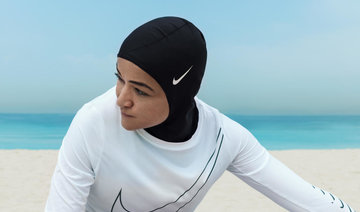
Mohamed said that although hijab-wearing models sometimes need to bring their own hijabs to shoots and show the stylist how to put it on, which is an added stress to the job, she sees it as her responsibility to educate the fashion world on the hijab and what it entails.
“As the first generation of hijabi models, that is our job. If we don’t do it correctly, then the fashion industry will have the control to do what they want so you’re going to see so-called hijabi models but their hijab is not as the model or the Muslim community sees it.
“So we do have the responsibility to educate the fashion industry on how our communities work, what we see ourselves as and how we interpret the hijab.
“So when I am on a shoot and have to explain to a stylist what works and what doesn’t work, I don’t mind doing that. Sometimes I’ll go in the day before to discuss things and I don’t mind that because it is something I enjoy,” she said.
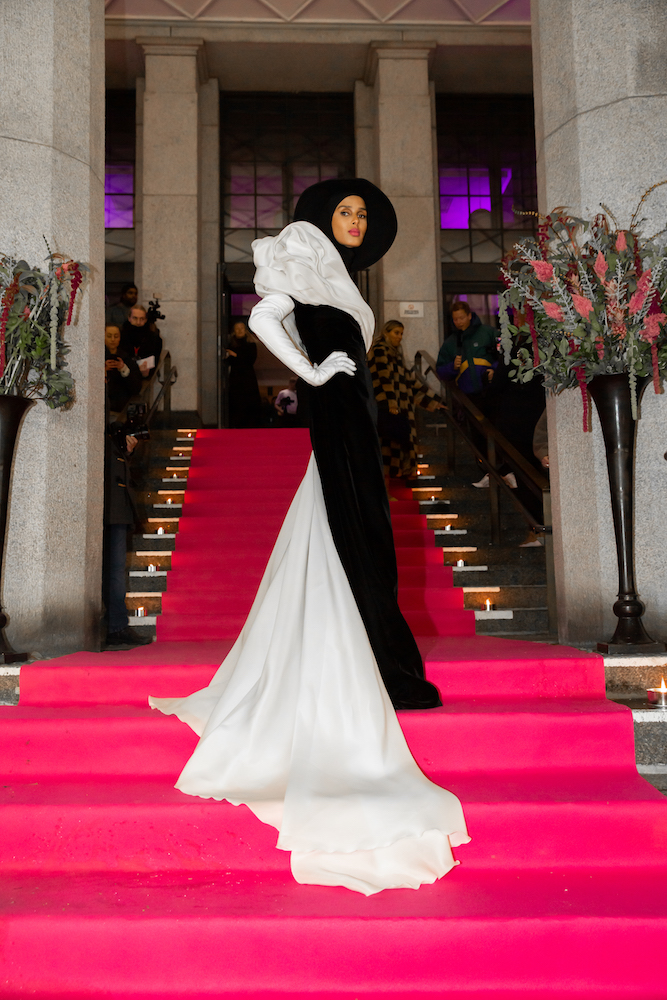
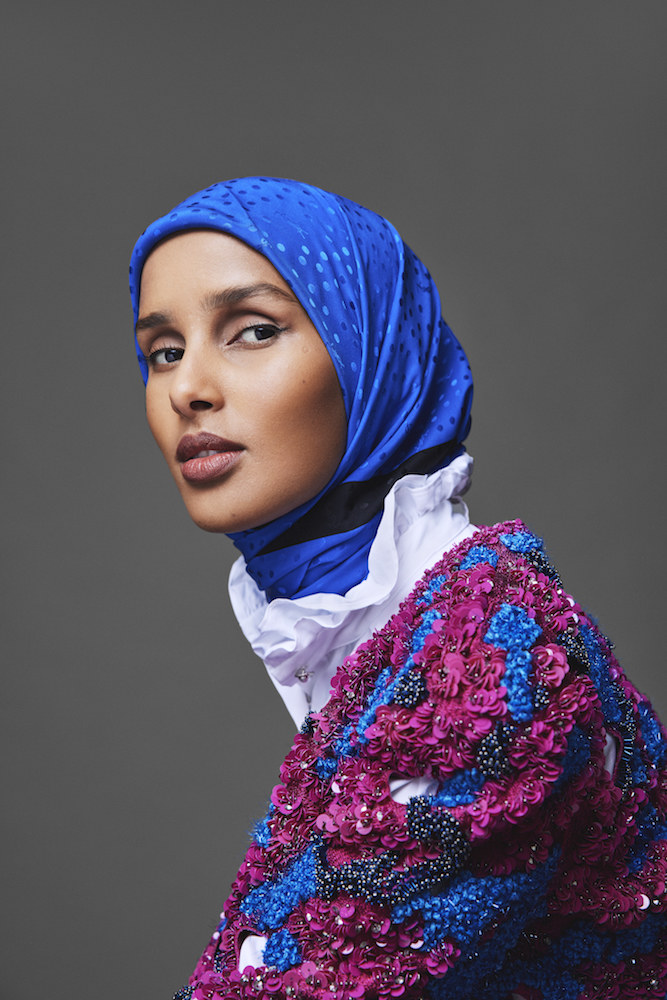
Somali-Norwegian model Rawdah Mohamed’s family fled Somalia’s civil war for Kenya when she was a baby and settled in Norway having lived in an asylum camp. (Emma Sukalic)
Mohamed added that hijab-wearing models also have to ensure that the photographer on a shoot understands their “religious views and integrity.”
“If the photographer asks you to do a certain pose that you’re not comfortable with or that might be on the sexual side, you have to say that you can’t do that because you’re not comfortable with it. So there is definitely an extra layer of responsibility with being a hijabi model; if those pictures are printed, you are the one who is going to get the backlash,” the model said.
Mohamed landed the role as Vogue Scandinavia’s Norway fashion editor earlier this year.
The magazine launched last week with Swedish teenage climate activist Greta Thunberg on the front cover.
“I write articles about fashion and do the styling, attend and review fashion shows, make videos and work on social media,” Mohamed said.
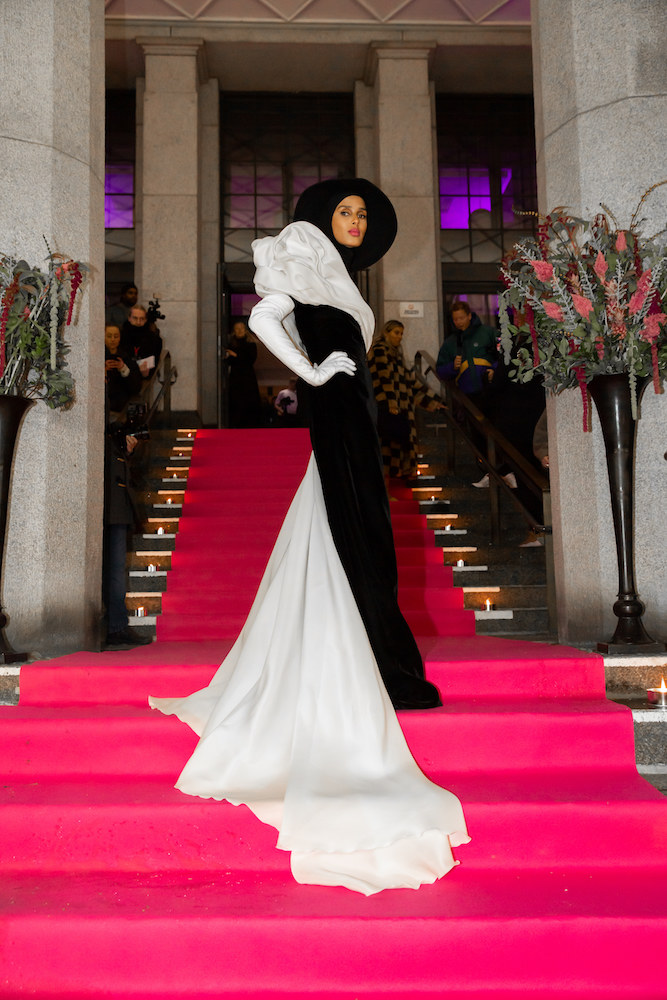
She is a huge fan of Lebanese designers and mostly wears their creations to red carpet events.
“I think their haute couture is the most amazing. I really like Nicolas Jebran and Georges Chakra. Those two are my favorites,” she said.
Mohamed added that Arab designers understand the hijab and so wearing their creations are much easier.
“Some of their dresses are not actually modest. What they would do is get me extra fabric so I could wear it as a hijab and underwear garments that matched the gown so that I don’t have to worry if there is a split or the fabric is see-through.”
When asked what she has lined up for the future, Mohamed said she doesn’t worry too much about it and likes to be a free spirit.
“I always like my life the way it is. I like to be very fluid with it and make sure I have a good time,” she said.