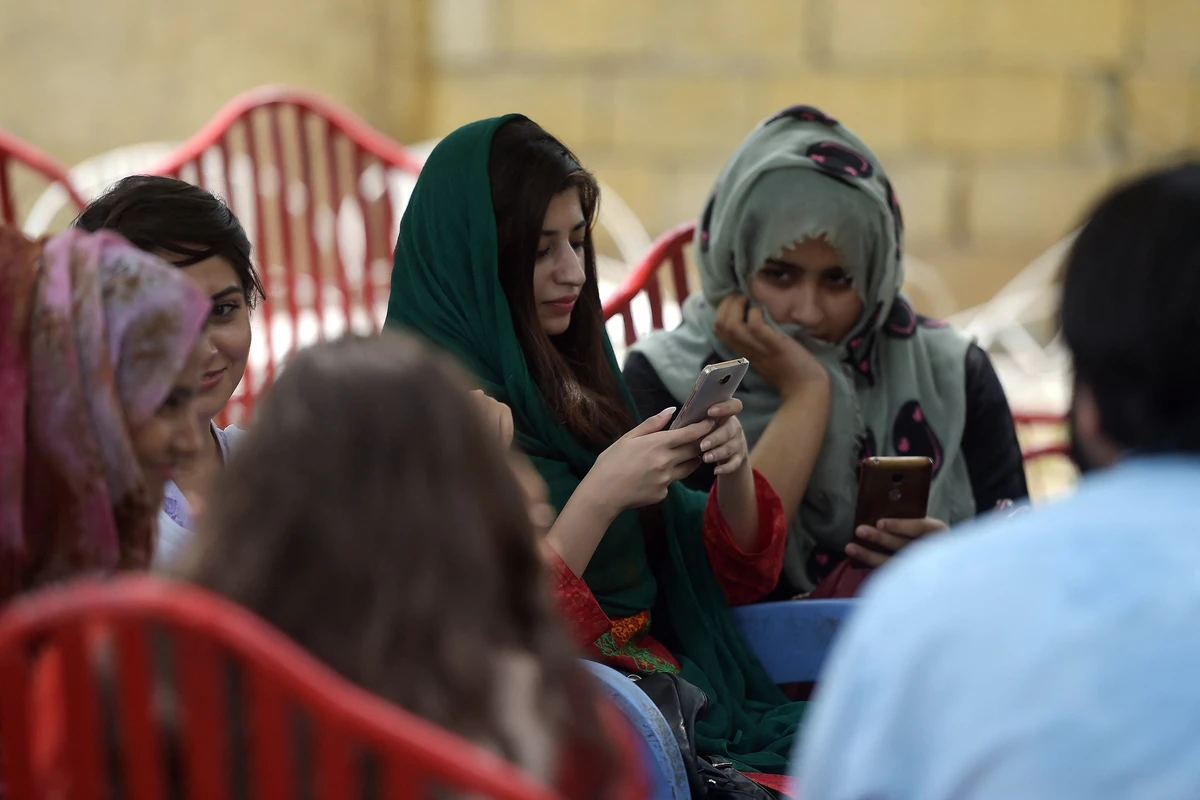
- Since July 20 murder of Noor Mukadam, Pakistani women are turning to the Internet to grieve, express solidarity and share stories of abuse
- But using social media comes with its own risks, as trolling, abuse and threats have become an “expected reality” of being vocal online, activists say
RAWALPINDI: As last month’s murder of Noor Mukadam, the 27-year-old daughter of a former diplomat, shattered the semblance of freedom and safety many Pakistani women living in secure urban centers like Islamabad feel, activists and social media users say social media is providing women a space to share, grieve and express solidarity, but also opening them up to additional abuse.
Mukadam was found beheaded in a posh neighborhood of the capital on July 20 in a case that has sparked a public outcry unlike any other in recent memory.
In conservative Pakistani society, with limits on women’s mobility and choices, the Internet can become a “shared meeting space” in the aftermath of grisly events like the Mukadam murder, Nigat Dad, a prominent Pakistani lawyer and digital and women rights activist, told Arab News this week.“For so many women, finding a community online is built around needing to be heard,” Dad said. “Women are able to find community online in Pakistan because they are unable to find community offline in most cases and it’s very hard for women to find such a sisterhood and solidarity as that which exists in digital spaces.”
“Online you have space to talk about things that usually you cannot [in real-life],” Dad added.
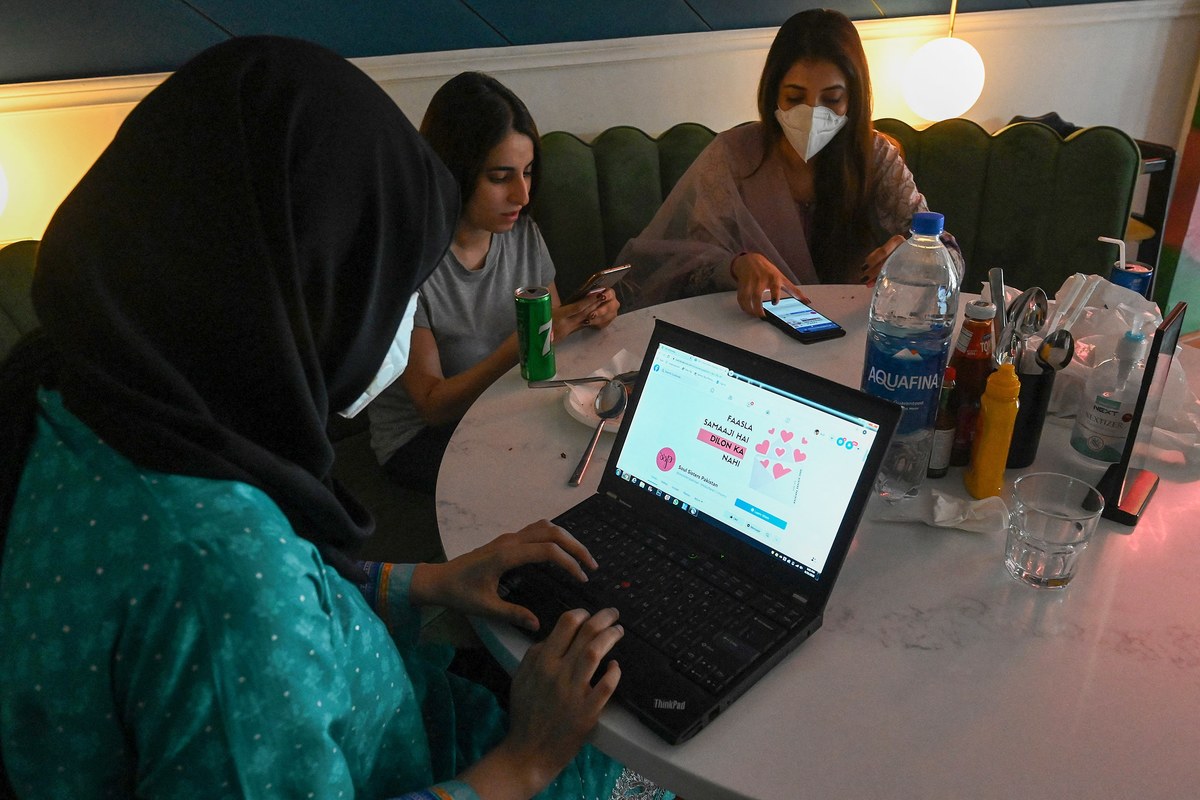
The lack of “inclusive” gathering spaces for women in Pakistan is precisely why Kanwal Ahmed said she founded the Facebook Group Soul Sisters Pakistan in 2013. The private group has nearly 300,000 members now.
“There are no inclusive spaces for women to meet others, interact or even just catch a breather in Pakistan. It can be isolating to be a woman in this country,” Ahmed told Arab News over the phone. “With rampant gender-based violence, complete lack of resources and a culture that thrives on silencing women, it was and is imperative that we create spaces where we shatter that culture of silence and let women encourage each other to speak up.”
The community Ahmed has helped build gives women a space “to share their stories, their problems and help each other out,” she said.
In the wake of Mukadam’s murder, many women are also using social media platforms to speak about their own experiences of abuse and call out alleged harassers.
One such woman is Toronto-based writer Zahra Haider, who was born and raised in Islamabad and personally knew both Mukadam and the man charged with her murder, Zahir Jaffer. Since her friend’s killing, she has used her social media account to post updates about the case as well as share stories of other women.
“I am in a privileged position, and I will use it to combat this ... violence and abuse that is rampant in Pakistan,” Haider said. “Posting on social media can lead to accountability, to some change.”
But using the Internet to speak up comes with its own risks.
Haider said in the past two weeks, she has faced numerous hacking attempts on her social media accounts, and threats of defamation suits.
Dad also spoke of attacks and harassment, saying it sometimes affected her mental health to the degree that she felt like quitting social media “just for a breather.”
Dad is not alone.
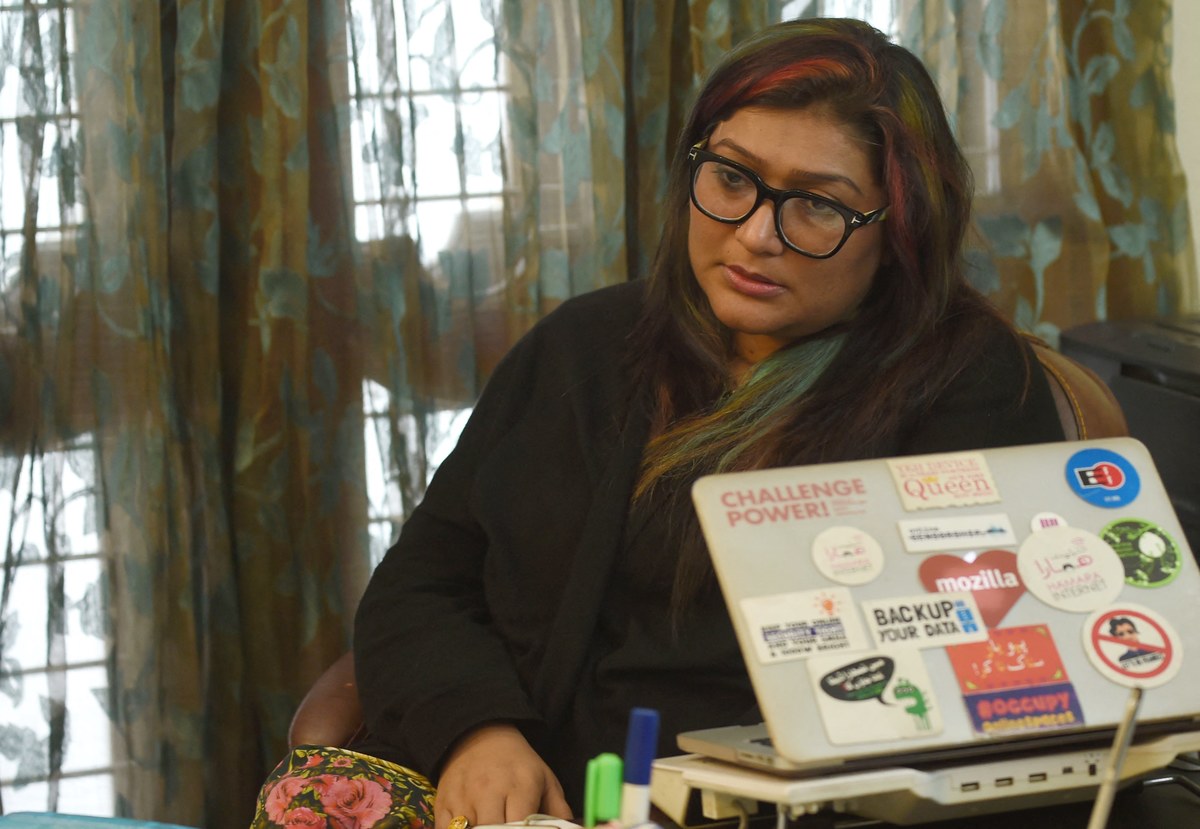
In 2020, the helpline at the Digital Rights Foundation advocacy group, which Dad founded in 2012 with a focus on protecting women online, recorded a total of 3,298 cases of cybercrime, 66 percent of them against women. In 2021, it recorded 2,082 cases between January to June, a majority by women.
Women face online threats globally, but the risk is enhanced in countries like Pakistan where there is a tradition of men killing women over perceived injury to a family’s honor. In 2012, in one of the first cases of honor killing linked to digital technology, a video of a private gathering was leaked showing four women dancing in the presence of three men in Kohistan. All the individuals shown in the video were murdered by their families in the name of honor.
In 2016, social media star Qandeel Baloch was strangled by her own brother for posting so-called risque videos on the Internet.
The same year, Pakistan’s parliament passed the Prevention of Electronic Crimes Act (Peca), which officials say aims to restrict online extremist content, prosecute hate speech, and curb harassment of women on the Internet. Rights groups say it has not made the Internet safer for women.
The Federal Investigation Agency’s cybercrime wing registered 8,500 complaints of women facing online harassment in 2018 and 2019. Agency officials told a parliamentary committee that blackmailing and harassment over social media were the most common complaints and that only 19.5 percent of the complaints were investigated, according to Human Rights Watch.
The FIA and the ministries of information and IT did not respond to phone calls seeking comment for this piece.
Meanwhile, trolling, abuse and threats have become an “expected reality” of being a vocal Pakistani woman on the Internet, Rabeeya Latif, an advocate for more inclusive, “non-judgmental” online spaces for women, said.
“I’ve gotten all sorts of threats,” she said, listing murder and sexual violence among them.
“It’s so sad that that’s what I had to deal with for doing the work that I do, but I deal with the trauma and abuse,” Latif said. “I just realized how much this country needs us and how I need to move forward to help other women because if I were to back down — well there is no way I am letting them win.”
“Yes, as women find community online,” Dad said, “they also face a myriad of unfair troubles.”