


JEDDAH: Food trucks, or “kitchens on wheels,” have been a growing culinary trend in many countries in recent years and Saudi Arabia is no exception. They are now familiar sights on streets, at beaches, at malls, in parks and other open spaces — in short, anywhere they can park.
During the COVID-19 pandemic in particular, the mobility and flexibility of food trucks meant they were relatively well-placed to survive the crisis by offering an alternative to indoor dining, catering to people who miss the experience of a sit-down meal but want a better alternative than a traditional takeaway or home delivery.
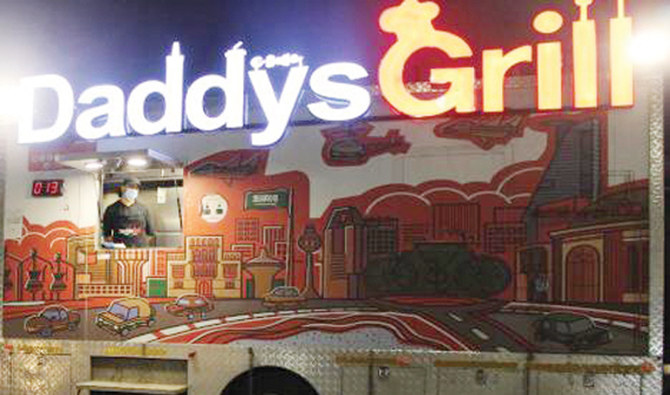
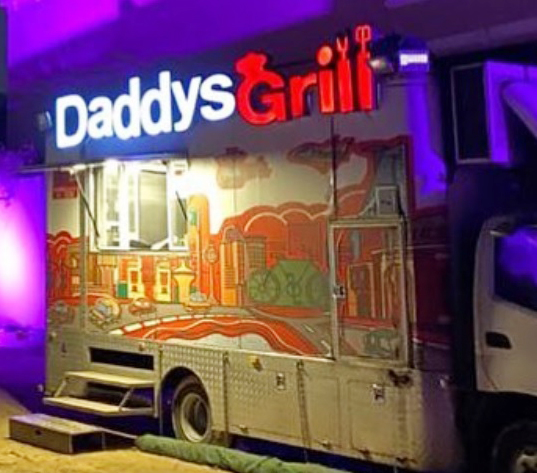
As many businesses focused on finding new revenue streams during the health crisis, Taha Ashi, the owner of Daddy’s Grill food truck, which specializes in burgers, decided to seize the opportunity during the uncertain times by expanding into new neighborhoods. He owns three food trucks in Jeddah and plans to launch a restaurant this year.
Before the pandemic, he said he was serving an average of about 100 customers a day but that sales and profits fluctuated. During the pandemic, he added, sales have increased by about 20 percent.
“Food trucks are well-equipped to withstand pandemic restrictions, as they are naturally to-go and socially distanced businesses,” Ashi told Arab News.
“I focused on ways to maintain my customer base by, for example, connecting with the online delivery services and cultivating a social-media presence. All of that added up to a significant increase in sales.”
In 2016, he was one of the first people in Saudi Arabia to launch a food truck, which has much lower overhead costs than a traditional restaurant. Therefore, for anyone interested in getting into the catering business, especially in the coronavirus era, Ashi believes the food truck sector is a good option, not least because it is supported by the government. In some areas, for example, there are no charges for electricity or rent, which helps to keep costs down.
Truck business
Not all food truck businesses have coped with the pandemic quite as well as Ashi’s have, however. Abdul Aziz Al-Fadel — who owns the X Bite food truck, which also serves burgers, and a restaurant — said many small businesses have suffered in the past year and food trucks are no exception.
He told Arab News his business has had a rough time as a result of reduced trade, but that the challenges have pushed owners of catering businesses to become more innovative and creative in finding ways to connect with customers.
Food trucks are well-equipped to withstand pandemic restrictions, as they are naturally to-go and socially distanced businesses.
Taha Ashi, Owner of Daddy’s Grill food truck
“The sudden evaporation of events, concerts, festivals and gatherings left us confused,” said Al-Fadel. “Sales plunged by 60 to 70 percent.”
As the pandemic wore on, however, he said he began to adapt. He took advantage of the mobile nature of his business and visited more areas, took orders online and signed up with delivery services. He also launched a BBQ kit to the menu, which provides all the ingredients needed to cook authentic X Bite burgers at home. It proved to be a big hit and helped to boost sales.
A food truck is a less risky way to get started in the catering business than opening a traditional bricks-and-mortar cafe or restaurant, said Al-Fadel.
“After running a successful food truck our business grew and we launched a restaurant,” he explained. “A food truck business is cheaper to run and doesn’t need many people in the beginning to operate, so there is no worry about making payroll.”
He also had some advice for anyone interesting in launching their own truck. They must always maintain the highest standards of safety, he said, and need to be prepared to withstand challenges and adapt to adverse conditions.
“Most importantly, this business is seasonal,” he added. “During the summers the business is harsh, and in winter the sales go up. So the prospective owners need to experiment with new ideas that can help them continue to generate revenue.”
The potential rewards of building a popular food truck business are great and include, as the experiences of Ashi and Al-Fadel show, the possibility of expanding by opening a traditional restaurant. For others, the focus for now remains on their kitchens on wheels.
Ahmed Al-Hijri, who owns the CheeseSteak food truck, told Arab News that his business survived the pandemic because he worked long hours and embraced the use of delivery apps and social media to better engage with customers.
“We were actually able to net enough (income) to keep the business moving forward,” he said.
Because they require less capital investment and involve less financial risk, Al-Hijri added, food trucks offer a fantastic opportunity to enter a market that previously presented prospective entrepreneurs with much greater barriers.
As a result, he said, they can establish their brand on a smaller scale before attempting to grow and expand the business by opening a restaurant or franchising the trucks.


