QUETTA: Mulberry farming has been a popular occupation in Balochistan’s Mastung district for about four decades, though most people associated with the trade say they have suffered losses during the coronavirus pandemic.
Located some 43 kilometers south of Quetta, Mastung exports two different varieties of mulberries in their dried form to other provinces.
“Our elders knew little about preserving mulberries and probably never thought of selling them in market,” 56-year-old Hajji Khalil Ahmed, who has two orchards in the district, told Arab News on Friday. “But things changed when residents of the neighboring Sindh province started buying dried mulberries and we decided to enter the trade.”
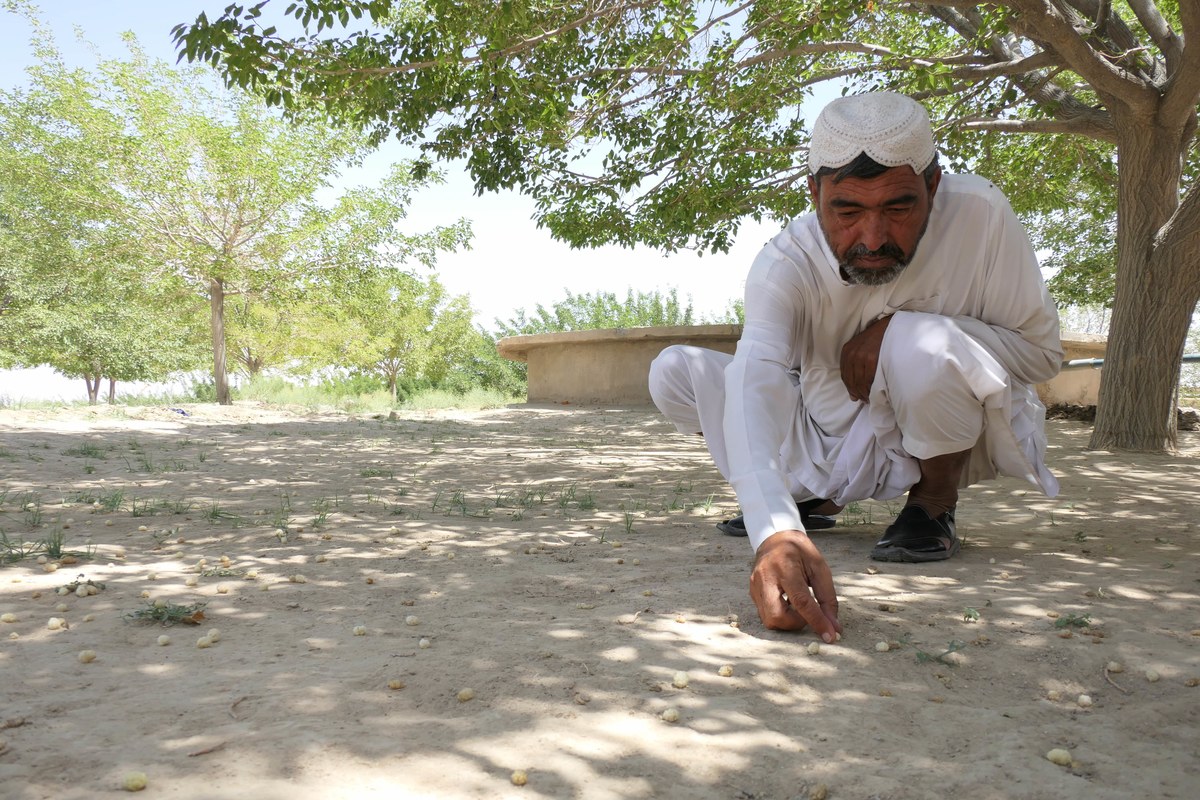
A local farmer Haji Khalil Ahmed lifts mulberries from ground at one of his orchards in Mastung, Balochistan, on June 18, 2021. (AN Photo)
“Balochistan is famous for its peaches, apples and cherries,” he continued. “However, Mastung is the only place in the province which has nearly 900 mulberry orchards and supplies its yield to other provinces.”
Muhammad Ramzan, 30, who learned mulberry farming from his father said about 85 percent of the fruit was exported to Sehwan Sharif in Sindh where it was mostly in popular demand during an annual festival at the shrine of a 13th century Sufi saint Lal Shahbaz Qalandar.
However, he added that restrictions on such Sufi gatherings during the COVID-19 pandemic had made things difficult for farmers like him.
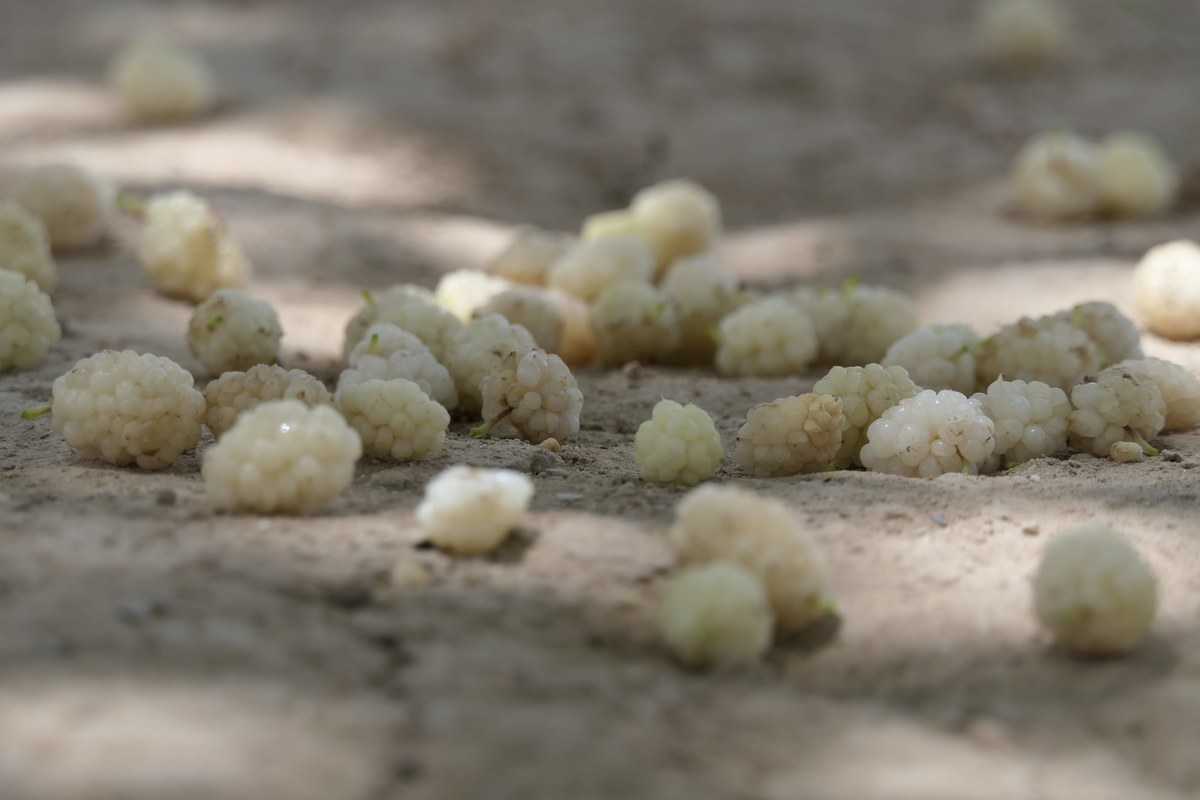
Mastung is the only district in Balochistan that is famous for the harvest and export of mulberries to other provinces. Picture taken in Mastung on June 18, 2021. (AN Photo)
“Dried mulberries worth millions of rupees are currently stocked in our warehouses with no one to buy,” Ramzan said.
Asked about the provincial administration’s response to the situation, Ramzan said he was confident the Balochistan government did not know the fruit was produced in one of its districts or exported to other places like apples, cherries and peaches.
Back in 2012, the United Nations (UN) Food and Agriculture Organization (FAO) launched a livelihood project in Mastung to assist famers producing mulberries.
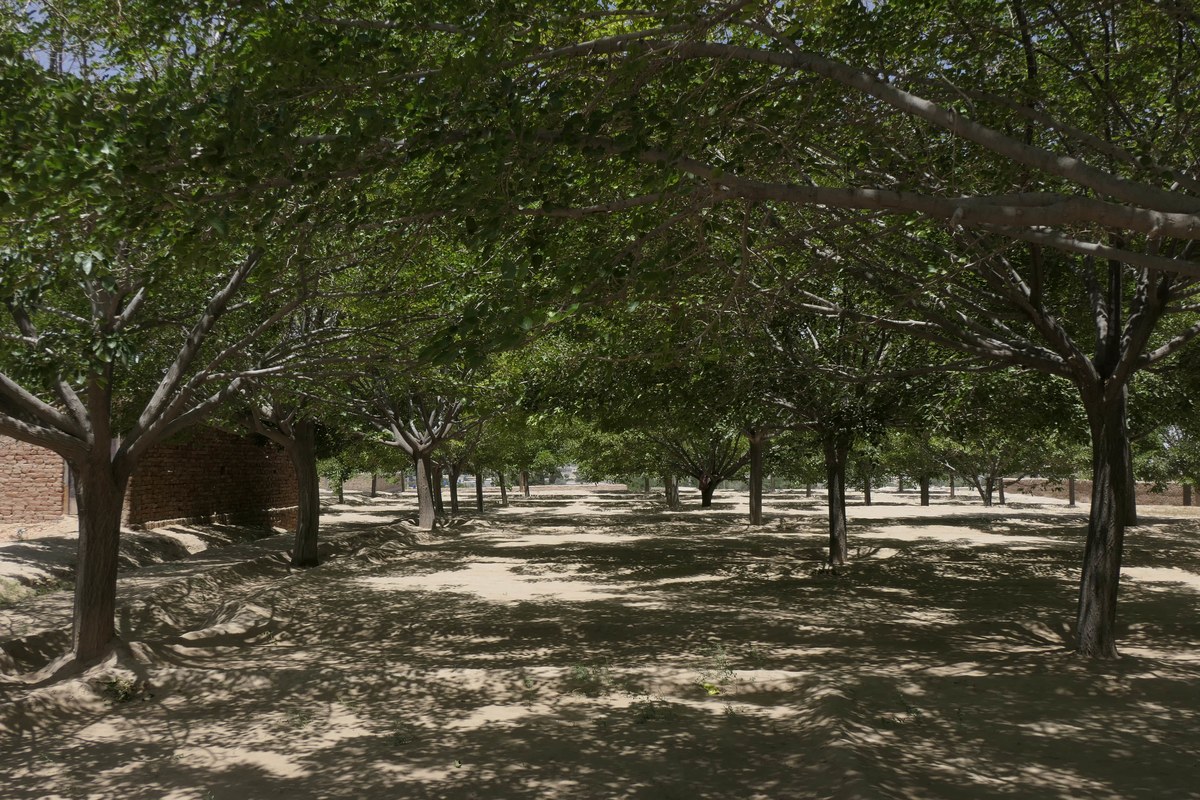
Mastung is the only district in Balochistan that is famous for the harvest and export of mulberries to other provinces. Picture taken in Mastung on June 18, 2021. (AN Photo)
The program lasted for three years during which the FAO trained the farmers how to pack and export the fruit to markets in other cities.
Ramzan said the project instilled a new business sense among people associated with the trade, though he added they were back on their own after the UN initiative ended in 2015.
The provincial administration of Balochistan, he maintained, should realize the business potential of mulberry farming and take necessary measures to increase the production of the fruit and create a bigger market for it across the country.
Masood Baloch, who works as director general at the provincial agricultural department, said the authorities were already conducting research on the trade while planning a project to help the farmers.
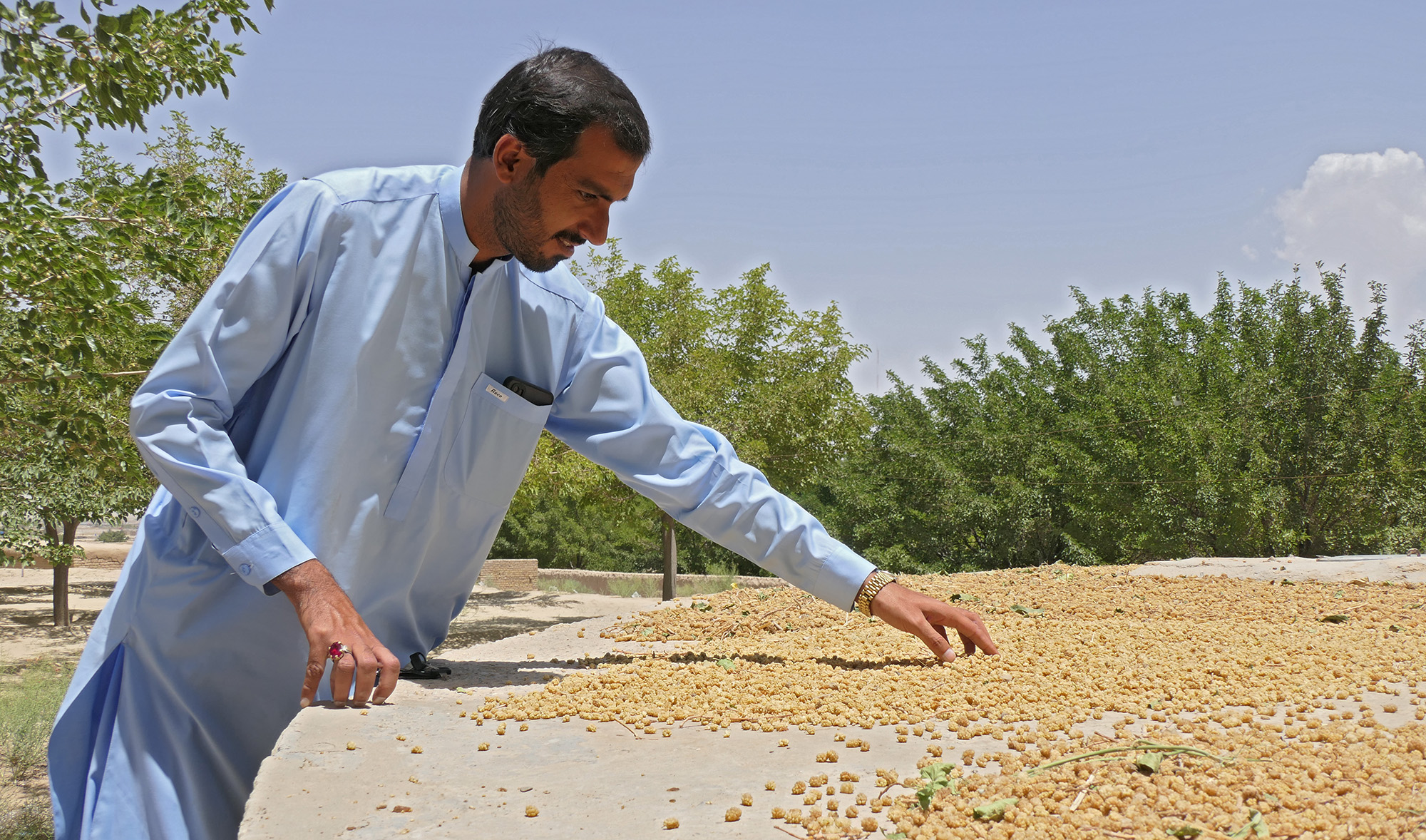
A farmer sorts mulberries at an orchard in Mastung, Balochistan, on June 18, 2021. (AN photo)
“Indeed, dried mulberries are in huge demand in other provinces, making its production lucrative for local farmers,” he told Arab News. “But the agricultural program for mulberry needs to be included in the provincial public sector development program [to receive the government’s assistance].”
Imran Khan, a mulberry contractor who has warehouses in Sehwan Sharif, informed that a sack of mulberries weighing 70 kilograms sold for Rs17,000 ($108) before the pandemic, though its present market rate was only Rs6,000 ($38).
“We have sold one kilogram of dried mulberries for about Rs500 ($3) during the annual festival of Lal Shahbaz Qalandar,” he said. “Now the same quantity is only sold for Rs130 ($.83).”