



DUBAI: Socotra Island has been variously described as ‘The Galapagos of the Middle East’ and ‘The Jewel of Arabia.’ This Yemeni UNESCO World Heritage Site is the largest of four islands in the Socotra Archipelago, situated east of the Horn of Africa in the Arabian Sea.
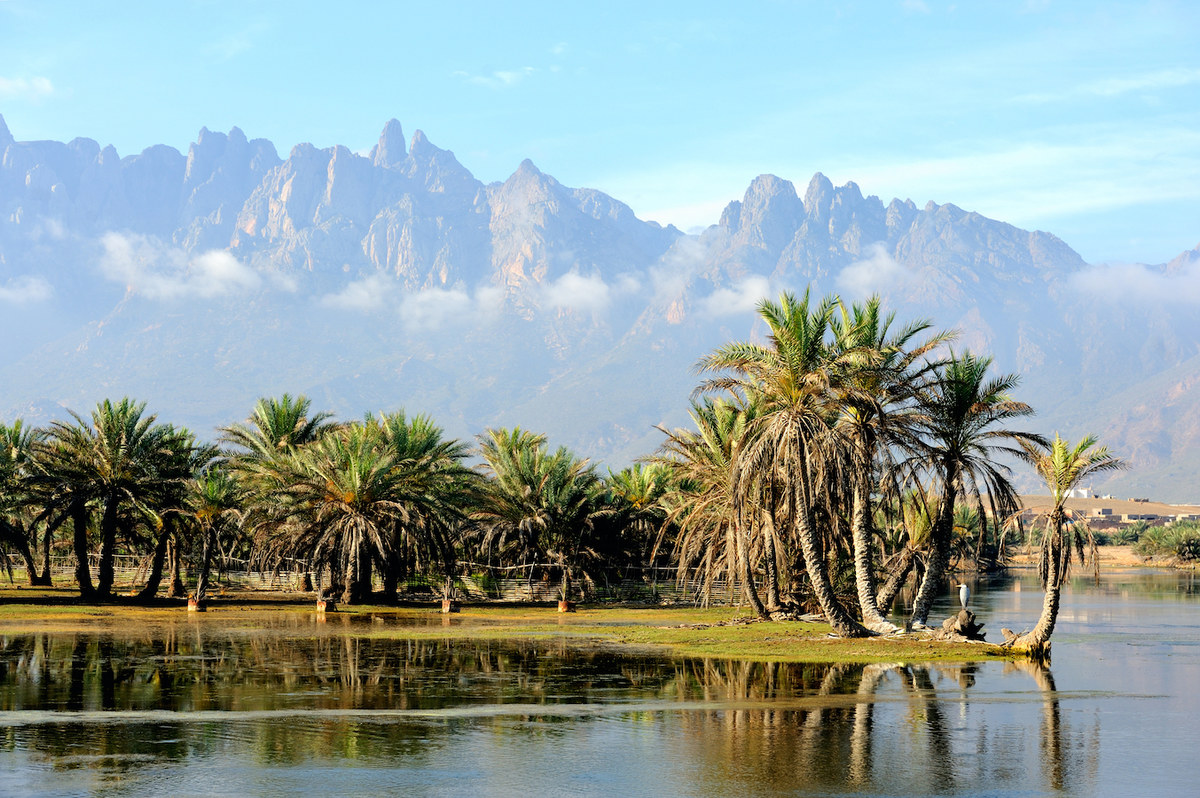
The unspoiled, alien-like landscape of the island has intrigued travelers and scientists alike for decades. According to UNESCO, it is a site of “universal importance because of its biodiversity with rich and distinct flora and fauna.” The UN body estimates that 37 percent of Socotra’s 825 plant species, 90 percent of its reptile species and 95 percent of its land snail species do not exist anywhere else in the world.
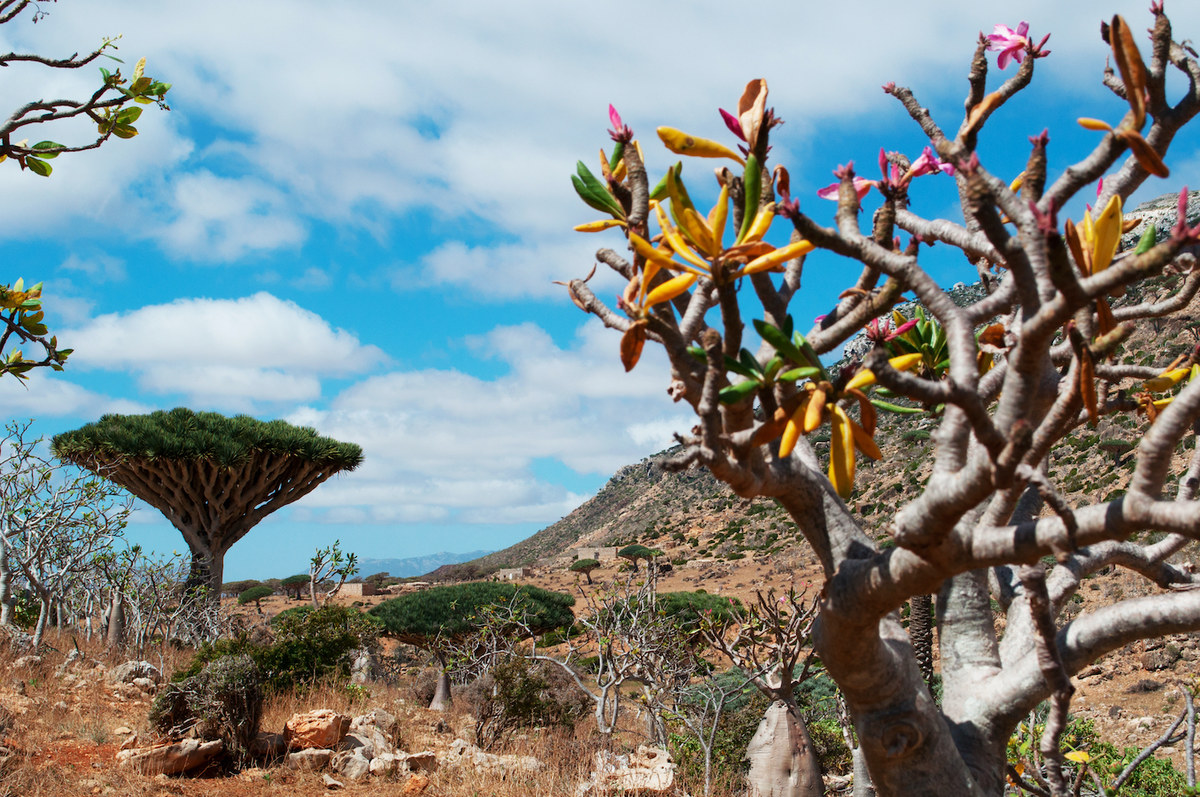
The unspoiled, alien-like landscape of the island has intrigued travelers and scientists alike for decades. (Shutterstock)
Until its airport opened in 1999, Socotra was very difficult to get to. This year, Air Arabia began operating a direct chartered flight once a week to the island from Abu Dhabi — a journey of around two hours.
We caught the final tour of the season — travel to the island stops during the monsoon season (late May to September). And while there are three hotels on the island we opted for a camping trip. Be aware though: This is camping, not glamping. There is no electricity, no running water, no toilets and no showers. So a portable bidet, biodegradable wipes and biodegradable soap are a must in order to protect the island’s delicate environment. Its capital, Hadibu, already has a serious problem with trash and plastic.
We first set up camp at Dihamri, a rocky coast covered in white coral. It’s the perfect spot for snorkeling — you can see all types of sea life in the crystal-clear waters, including stingrays, turtles and puffer fish (pro tip: bring sea shoes).
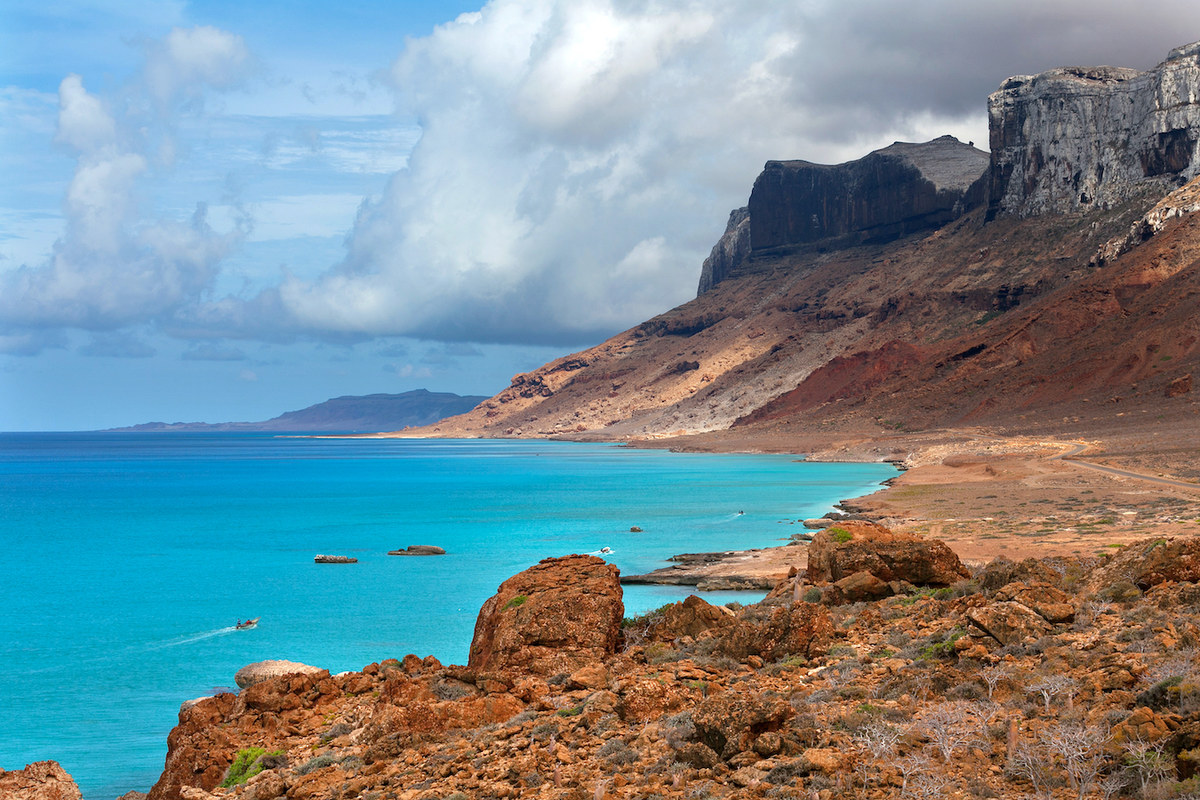
Until its airport opened in 1999, Socotra was very difficult to get to. (Shutterstock)
During our visit, it was still around 35 degrees Celsius and quite humid at night, making it unbearable to sleep in the tent. On the plus side, sleeping outside gives you a clear view of the stars. On other nights, we weren’t so lucky, as the winds picked up, rattling the tents and keeping us awake until sunrise.
Despite the lack of sleep, the beauty of the island energized us and we continued to explore. We hiked to Kallissan, where there is a natural pool in which to cool off, then set up camp in Arher, a stunning site full of giant white sand dunes at the edge of the mountains with great coastal views. The dunes are high and challenging to climb (it took us about an hour to get to the top), but definitely worth it.
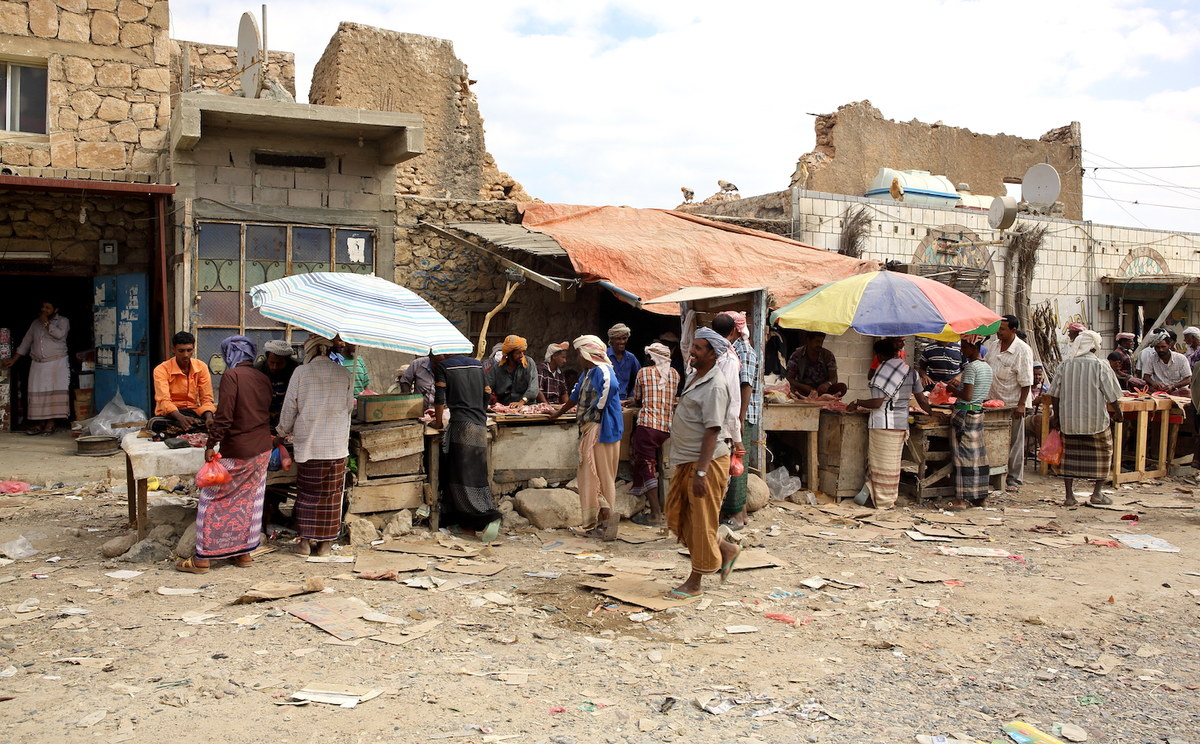
Its capital, Hadibu, already has a serious problem with trash and plastic. (Shutterstock)
There are so many spectacular sites to explore if you’re prepared to put in the hours hiking: The unique dragon blood tree, for instance, so called because of its red sap. Legend has it the first dragon blood tree was created from the blood of a dragon that was wounded when it fought an elephant. In Arabic, the tree is called dam al akhawain — the blood of the two brothers — as the story goes that the tree first grew on the spot where two brothers, Darsa and Samha, fought to the death.
There are also a number of abandoned Soviet tanks around the place, a lasting reminder of the influence the USSR had on Southern Yemen. From 1967 to 1990 South Yemen (including Socotra) was the only communist state in the Arab world.
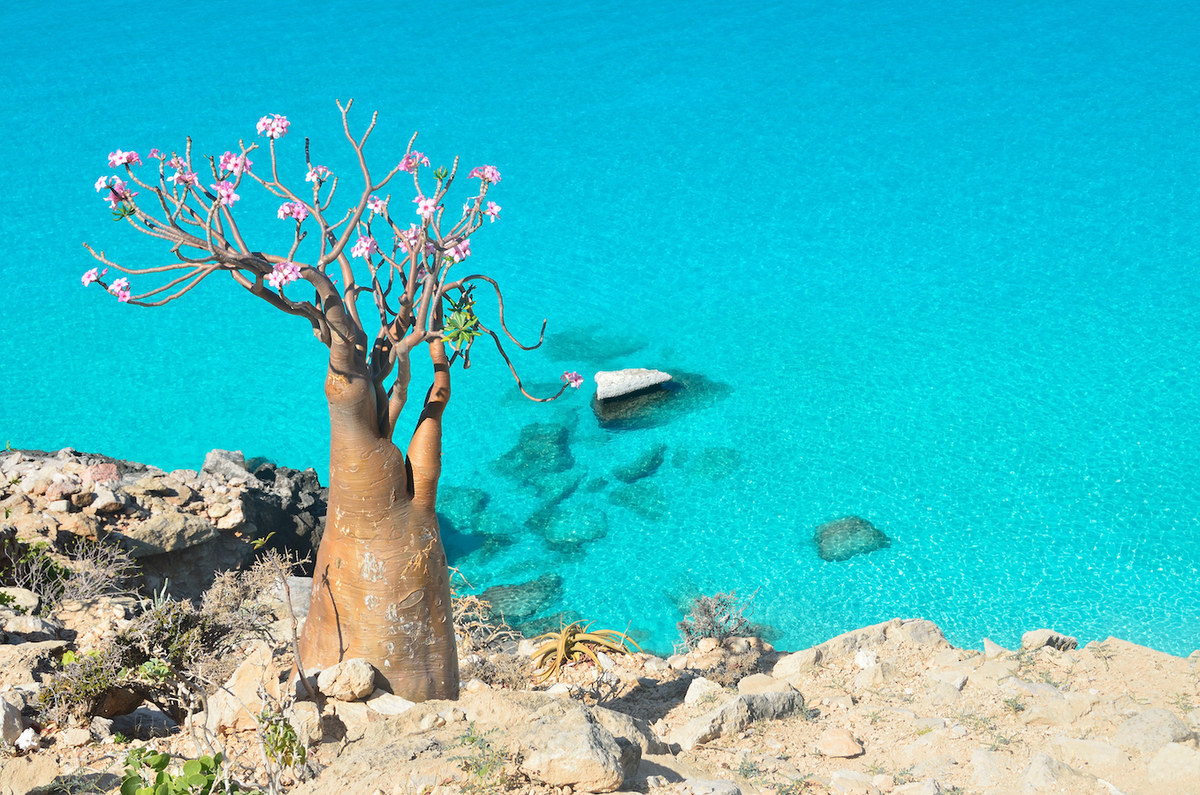
We’d also advise scheduling your visit for March — when the island’s famed bottle trees (desert roses) bloom. (Shutterstock)
Along with the tales of the past, we met many wonderful locals willing to share their knowledge of the island, from Wagdi, our tour guide, to Abdullah the caveman who spends his days fishing in the Detwah Lagoon and will happily invite you to his cave for fresh fish.
Seafood, cooked in a variety of ways, is the staple diet of Socotra. You can get crab, stingray and lobster for as little as a $1. For breakfast we enjoyed traditional Yemeni bean stews with bread, cheese and local honey.
Caption
Our return flight — the last scheduled flight out before the end of the season – was cancelled due to a cyclone. That delay gave us the opportunity to explore Hadibu and engage further with the locals, who were very helpful. The island has no functioning ATMs and getting money was a struggle, as the island does not have much cash flow. We’d advise taking an emergency fund.
We’d also advise scheduling your visit for March — when the island’s famed bottle trees (desert roses) bloom — or in October or November, shortly after the monsoon season, when the island is green. But whenever you visit, Socotra really is like no other place on earth.


