

Julius Nyerere Dam project to generate 10 percent of Elsewedy Electric revenues

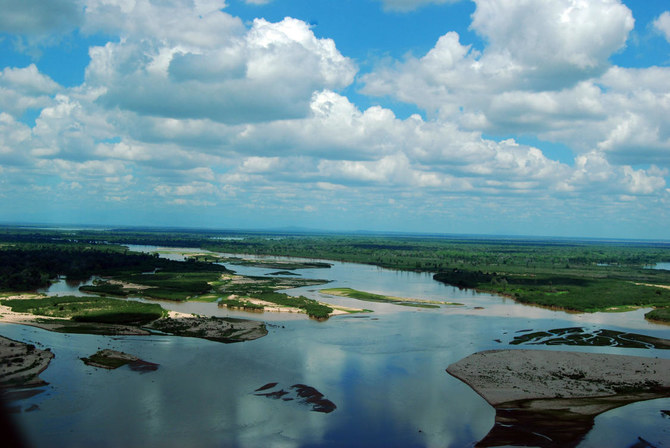
The project on the Rufiji River in eastern Tanzania will have a capacity of 2,115 megawatts. (Wikimedia Commons)
Short Url
Updated 24 May 2021
Follow

Julius Nyerere Dam project to generate 10 percent of Elsewedy Electric revenues

  • $2.9 billion project scheduled for completion in 3 years

RIYADH: Cash flow from the Julius Nyerere Dam project in Tanzania is expected to account for about 10 percent of Egypt Elsewedy Electric’s total revenue, Managing Director Ahmed Elsewedy said.

The $2.9 billion project is scheduled to be completed in 36 months, Elsewedy said during a visit to the project in Tanzania, Asharq reported.

The dam project on the Rufiji River in eastern Tanzania will contribute to supporting the country’s economy by creating jobs and developing industry that will benefit from the energy produced by the dam, he said.

The construction of Julius Nyerere Hydropower Station is being carried out by an Egyptian consortium of Arab Contractors and Elsewedy Electric. It is the largest contract for Egyptian companies in Africa, and is fully financed by Tanzania’s government, Elsewedy told Al Arabia.

The project’s 2,115 megawatt capacity will solve Tanzania’s electricity shortages, he said.

Elsewedy Electric has projects in 25 countries related to electricity generation, water desalination plants and hotels, representing 15 percent of the company’s business, said the CEO.


SIDF concludes participation in Momentum 2025

Updated 11 December 2025
Follow

SIDF concludes participation in Momentum 2025

RIYADH: The Saudi Industrial Development Fund concluded its participation in the Development Finance Conference Momentum 2025 organized by the National Development Fund under the patronage of Crown Prince Mohammed bin Salman, prime minister and chairman of the NDF board.

The event was held from Dec. 9 to 11 at the King Abdulaziz International Conference Center in Riyadh.

The conference provided a platform to explore the future of development finance and its role in supporting sustainable growth. It brought together leading thinkers, investors, and decision-makers from around the world to discuss key challenges and opportunities, and to exchange experiences that enhance financing tools and maximize their developmental impact.

SIDF participation underscored its active role in supporting economic development through its financing advisory and knowledge-based programs as well as its diverse initiatives designed to meet the needs and aspirations of manufacturers and investors, aligning with the Kingdom's objectives and Vision 2030 targets.

In a panel discussion on the sidelines of the conference, Prince Sultan bin Khalid bin Faisal, CEO of SIDF, highlighted that the fund has, for more than 50 years, continued to develop its financing and advisory tools to empower national industries and enhance their global competitiveness.

He noted that SIDF has supported more than 4200 projects with total disbursements exceeding SR150 billion ($40 billion), attracting investments of nearly SR800 billion.

Prince Sultan added that the fund is currently focused on creating new financing channels in collaboration with government and private entities to provide sustainable funding for the private sector through mechanisms that attract capital and investors.

He said: “We recently launched the world’s largest supply chain financing program in collaboration with Saudi Aramco and the Saudi Electricity Co., benefiting thousands of suppliers and factories.”

SIDF participation culminated in signing a cooperation agreement with the Saudi Arabia Railways to identify opportunities for industrial sector support and to assist investors in localizing goods and services to increase domestic content.

The Momentum 2025 conference reflects the Kingdom's leading role across various development sectors, highlighting the contributions of its development ecosystem in shaping a sustainable developmental future that delivers economic and social impact in line with Vision 2030 objectives.

The conference serves as a platform for collaboration that advances the implementation of development finance solutions, bringing together leaders from government entities, development finance institutions, investors and innovators from within the Kingdom and abroad.

It aims to strengthen partnerships that align capabilities across the system and translate developmental priorities into actionable initiatives, fostering inclusive and sustainable growth.