

Pakistani designers bring cheer to coronavirus-hit Eid with floral collections

In this undated photo, models pose for Sania Maskatiya's Eid collection campaign. (Photo courtesy: Sania Maskatiya)
Short Url
Updated 10 April 2021
Follow

Pakistani designers bring cheer to coronavirus-hit Eid with floral collections

  • Flowers and classic cuts are the dominating trends for the festival following the Muslim fasting month of Ramadan
  • Eid al-Fitr will fall in mid-May, bringing spring inspirations like pastel colors and airy fabrics into designers’ edits for the festive season

RAWALPINDI: Pakistan’s design houses have unveiled their Eid collections and the festive curations are looking to be airy, feminine and leaning into the season’s spirit with pastel color palettes and motifs reminiscent of spring. 

The Muslim fasting month of Ramadan is expected to begin in Pakistan on April 14, implying that Eid al-Fitr festivities will be somewhere in the middle of the next month. While the weather is likely to be a little hot, many designers took the classic floral print of spring and infused it into their collections for the occasion. 
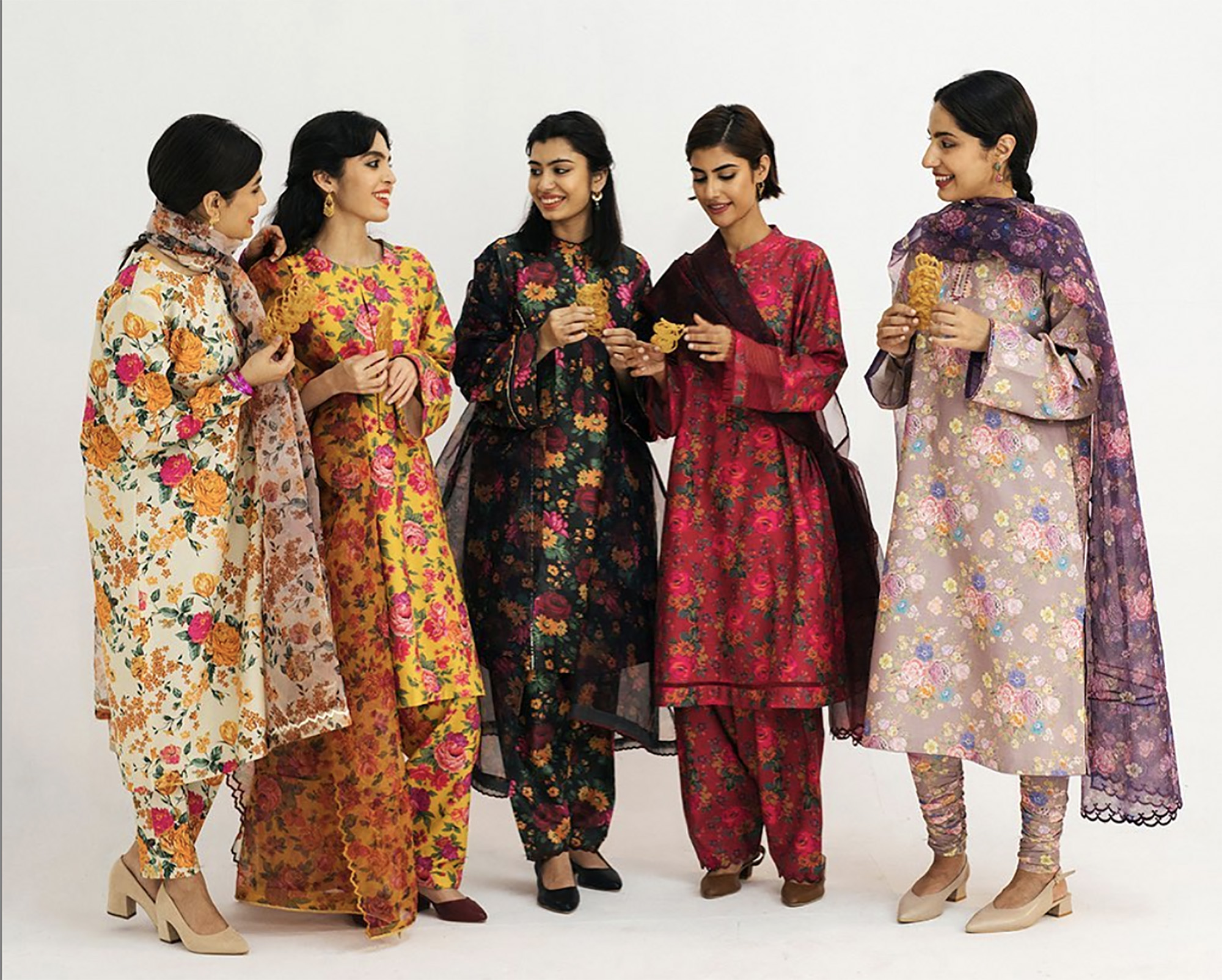


Models pose for Zara Shahjahan's Eid al-Fitr campaign in this picture posted on Instagram on April 7, 2021. (Photo courtesy: Zara Shahjahan)

Top designer Zara Shahjahan revealed a 35-piece collection that took flowers full on with head-to-toe floral printed looks that even included matching dupattas in a diverse color range from vibrant bright yellows and pinks to muted lilacs and even jewel tones. 

“We do a lot of florals every year, but this time we wanted to go all out and took our inspiration from Gucci’s foray into florals,” Shahjahan told Arab News over the phone
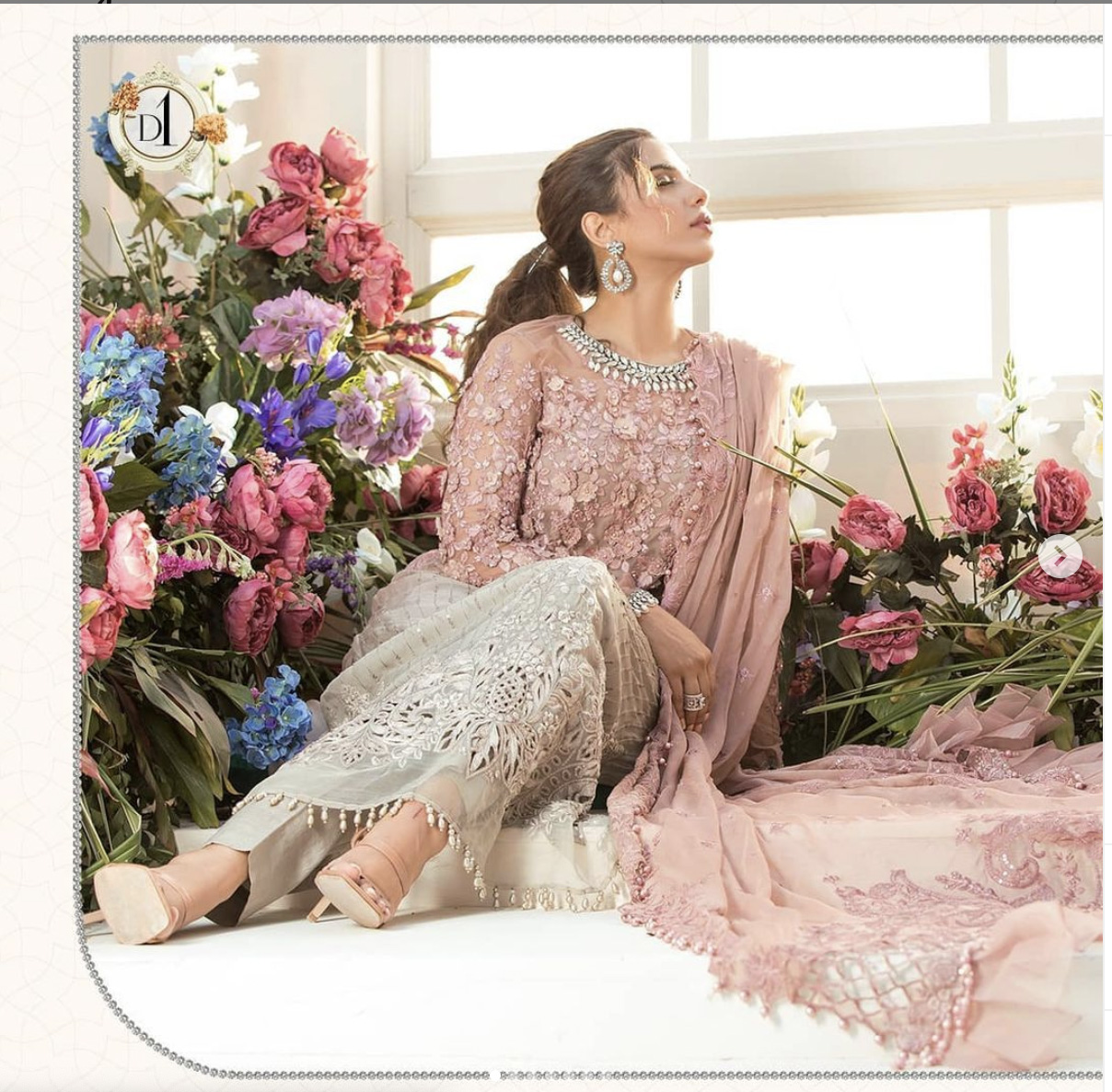


A model wears a look from Saira Rizwan's Eid campaign on the brand's Instagram account on April 6, 2021. (Photo courtesy: Saira Rizwan)

Saira Rizwan released a lawn collection for Eid with floral printed chiffon dupattas and lots of floral embroideries across her capsule collection that features saturated yellow and pink looks, two of the most seen colors included by designers for their looks this season. 

Florals also danced across brands like Maria B. 


A model wears an ensemble from Zainab Chottani’s Eid campaign in this picture posted on Instagram on April 9, 2021. (Photo courtesy: Zainab Chottani) 

Zainab Chottani paired the defining springtime print with light and airy fabrics like organza and nets which they then intricately embroidered with floral motifs and decked out in laces. Maria B. also punctuated the lady-like designs of her edit by dotting ensembles with pearls and tassels. 
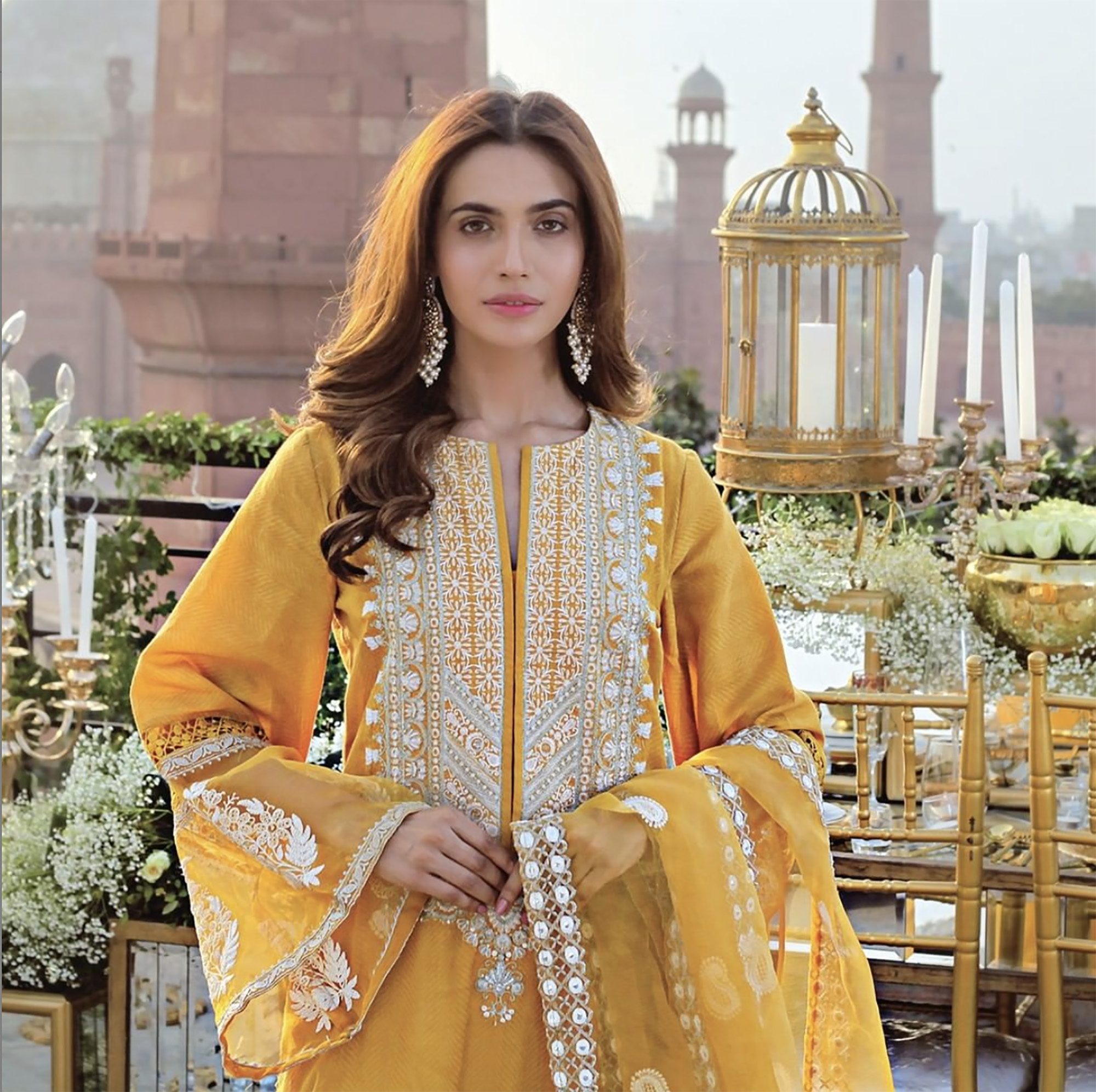


Actor Sonya Hussyn models a look from Maria B.’s Eid campaign in this picture posted on Instagram on April 3, 2021. (Photo courtesy: Maria B.)

Sania Maskatiya also tapped florals for her Eid edit called “Lilah,” which has signature Maskatiya cuts mixed with trendy hues like vibrant yellows and muted greens, but also stuck to classic tailored cuts the brand is known for. 

The designers all stuck to their signature aesthetics, but the silhouettes showcased by each stayed classic with most opting to go with shalwar kameezes, tailored trousers, and three-piece ensembles. 

With Ramadan each year moving further into spring, florals will likely become a dominating trend for the next few seasons from both high-end designers and the high street.


Pakistan nears $1.5 billion deal to supply weapons, jets to Sudan

Updated 09 January 2026
Follow

Pakistan nears $1.5 billion deal to supply weapons, jets to Sudan

  • Deal may include drones, air defense systems and Karakoram-8 aircraft, with possible JF-17 fighters
  • The sale is expected to bolster Sudan’s army in the ongoing civil war with the Rapid Support Forces

ISLAMABAD: Pakistan is in the final phases of striking a $1.5-billion deal to supply weapons and jets to Sudan, a former top air force official and three sources said, promising a major boost for Sudan’s army, battling the paramilitary Rapid Support Forces.

Their conflict has stoked the world’s worst humanitarian crisis for more than 2-1/2 years, drawing in myriad foreign interests, and threatening to fragment the strategic Red Sea country, a major gold producer.

The deal with Pakistan encompasses 10 Karakoram-8 light attack aircraft, more than 200 drones for scouting and kamikaze attacks, and advanced air defense systems, said two of the three sources with knowledge of the matter, who all sought anonymity.

It was a “done deal,” said Aamir Masood, a retired Pakistani air marshal who continues to be briefed on air force matters.

Besides the Karakoram-8 jets, it includes Super Mushshak training aircraft, and perhaps ‌some coveted JF-17 ‌fighters developed jointly with China and produced in Pakistan, he added, without giving figures ‌or ⁠a delivery ‌schedule.

Pakistan’s military and its defense ministry did not immediately respond to requests for comment.

A spokesman for Sudan’s army did not immediately respond to a message requesting comment.

Assistance from Pakistan, especially drones and jets, could help Sudan’s army regain the air supremacy it had toward the start of its war with the RSF, which has increasingly used drones to gain territory, eroding the army’s position.

PAKISTAN’S DEFENSE AMBITIONS

The deal is another feather in the cap for Pakistan’s growing defense sector, which has drawn growing interest and investment, particularly since its jets were deployed in a conflict with India last year.

Last month, Islamabad struck a weapons deal worth more than $4 billion with the Libyan National Army, officials said, for one of the South Asian nation’s largest arms sales, which includes JF-17 fighter jets and training aircraft.

Pakistan has also held talks with Bangladesh on a defense deal that could includes the Super Mushshak training jets and JF-17s, as ties improve ties with Dhaka.

The government sees Pakistan’s burgeoning industry as a catalyst to secure long-term economic stability.

Pakistan is now in a $7-billion IMF program, following a short-term ‌deal to avert a sovereign default in 2023. It won IMF support after Saudi Arabia and other Gulf allies provided financial and deposit rollovers.