KIGALI: Paul Rusesabagina, the polarizing hero of the hit movie “Hotel Rwanda,” failed to show up for his trial Wednesday, after informing prison authorities he was quitting the process as he did not expect justice.
Rusesabagina, whose actions during Rwanda’s 1994 genocide inspired the movie, has been charged with nine offenses, including terrorism for starting an armed group in recent years that is accused of staging deadly attacks within Rwanda.
The 66-year-old, who had been living in exile in Belgium, has said he was kidnapped, after being tricked into getting onto a plane to Kigali when he thought he was going to Burundi.
Rwandan Justice Minister Johnston Busingye admitted in an interview with Al-Jazeera last month that the government had paid for the flight.
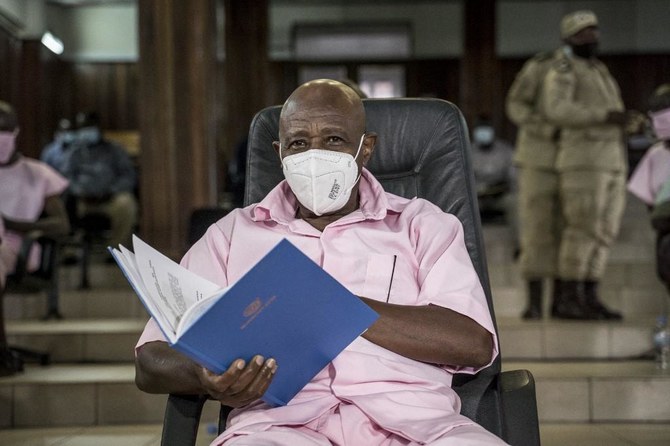
At Wednesday’s hearing, a letter from Nyarugenge Prison where Rusesabagina is being held was read out, saying that he would no longer attend the trial.
“He told Nyarugenge jail that he will never again appear before this court, not just today but even for future hearings. He said that he does not expect any justice from this court,” according to the letter, written by prison director Michel Kamugisha.
Presiding judge Antoine Muhima ruled the trial would continue.
“Rusesabagina chose not to attend this hearing. He has a right to do so but choosing not to appear does not stop the trial from proceeding,” Muhima said.
During his last appearance on March 12, when the court ruled against Rusesabagina’s request to have six months to prepare his defense, he said he was quitting the trial as “my basic rights to defend myself and to have a fair trial were not respected.”
His family insists that he has not been given access to over 5,000 pages of documents in his case file.
He is also being tried alongside 20 others accused of terrorism, “all of whom pled guilty and incriminated him,” said the spokeswoman for the Hotel Rwanda Foundation, Kitty Kurth.
“President (Paul) Kagame has publicly pronounced that Paul is guilty of the charges, effectively obliterating his right to be presumed innocent.”
The plethora of accused has led to chaotic scenes in the courtroom with over 10 lawyers, each arguing for their clients, and multiple witnesses expected to appear.
Rusesabagina is credited with sheltering hundreds of Rwandans inside a hotel he managed during the 1994 genocide, in which 800,000 mostly Tutsis but also moderate Hutus were slaughtered.
But in the years after Hollywood made him an international celebrity, a more complex image emerged of the staunch government critic, whose tirades against Kagame’s regime made him an enemy of the state.
Kagame has been in power since 1994 and is accused by critics of crushing opponents and ruling through fear.
Rusesabagina has admitted to helping form the National Liberation Front (FLN), but denied any roles in its crimes.


![]()

Hotel Rwanda ‘hero’ quits trial, says expects no justice
Short Url
https://arab.news/bgxwt
Hotel Rwanda ‘hero’ quits trial, says expects no justice
- Paul Rusesabagina is being tried alongside 20 others accused of terrorism
- He is credited with sheltering hundreds of Rwandans inside a hotel he managed during the 1994 genocide


Latest updates


© 2026 SAUDI RESEARCH & PUBLISHING COMPANY, All Rights Reserved And subject to Terms of Use Agreement.