







JEDDAH: Since Arab News’ first visit to AlUla in 2017, a lot has changed and the scene keeps on evolving rapidly. New dining experiences have been added as well as exciting entertainment activities for adventure-seekers.
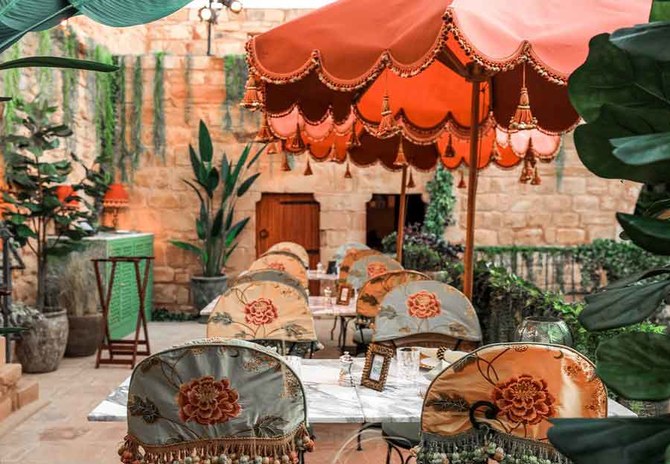
One of the latest dining destinations at the heritage site is the renowned private members club, Annabel’s, which opened during the Winter at Tantora event and now returns with a distinguished theme, the Arabian leopard.
The entire club was transformed with a rainforest theme for an event last year to raise funds for the Brazilian rainforest. Coming to AlUla, the club decided to bring a little bit of the rainforest to Hegra to transform the heritage site into an oasis, with a series of themed private dining rooms.
Setting up home within the UNESCO World Heritage Site of Hegra, this club is promising diners a memorable experience. Annabel’s AlUla is open for dinner daily, serving its signature menu favorites and bespoke mocktails inspired by AlUla.
The other dining experience, Suhail, gathers different local dishes on a single table for those craving a taste of authenticity. The restaurant is named after the shining star Arabs relied on in the past when navigating long journeys.
You’re not going to see a big skyscraper coming in. We have stringent requirements on what can and can’t be built, and how it is developed. Everything will fit into the environment, both from a natural and an aesthetic perspective, without superimposing anything that does not.
Phillip Jones, RCU’s chief destination marketing and management officer
Suhail is a high-end Saudi dining concept combining tradition with luxury, serving traditional home-style food that revives the authentic taste, while offering the genuine Saudi hospitality in an inspired modern design environment.
All dishes have been selected by the restaurant’s executive chef, Rakan Al-Oraifi, who enjoyed media success, appearing on “Top Chef Middle East” and in his own cooking shows in the region. He was named Best Saudi Chef 2018 by the Saudi Tourism Excellence Awards, Best Saudi Chef 2019 and Ambassador for Riyadh Season 2019 by the Saudi General Entertainment Authority.
The third eatery is the Pink Camel, a sweet and traditional style bakery at the entrance of the Wadi near the Oasis. Diners can grab a sweet treat or savory snack, a cup of coffee, and enjoy the scenery surrounded by the perfumes and swaying palms.
For adventure tourists, the Royal Commission for AlUla (RCU) has added an array of activities, including a thrilling zipline, which reaches speed of more than 100km/h while offering views of the surrounding Hijaz Mountains.
Adventure junkies can also enjoy a high-adrenalin, low-impact ride. Dune buggies will take participants on a journey through peaks and dunes on a designated track designed to showcase the beauty of the desert landscape without disrupting its ecosystem. Rides are offered by experienced guides, who drive visitors through narrow canyons, high sand dunes and challenging areas of Wadi Rum.
While dining and entertainment are part of RCU’s campaign to attract travelers, hospitality and luxury are also part of the commission’s mission.
Arab News spoke to Phillip Jones, RCU’s chief destination marketing and management officer, who walked us through the commission’s plans to position AlUla as a leading boutique heritage and cultural destination.
HIGHLIGHTS
• One of the latest dining destinations at the heritage site is the renowned private members club, Annabel’s, which opened during the Winter at Tantora event and now returns with a distinguished theme, the Arabian leopard. \
• The entire club was transformed with a rainforest theme for an event last year to raise funds for the Brazilian rainforest. Coming to AlUla, the club decided to bring a little bit of the rainforest to Hegra to transform the heritage site into an oasis, with a series of themed private dining rooms.
• The other dining experience, Suhail, gathers different local dishes on a single table for those craving a taste of authenticity. The restaurant is named after the shining star Arabs relied on in the past when navigating long journeys.
• The third eatery is the Pink Camel, a sweet and traditional style bakery at the entrance of the Wadi near the Oasis. Diners can grab a sweet treat or savory snack, a cup of coffee, and enjoy the scenery surrounded by the perfumes and swaying palms.
Arab News was one of the first to experience RCU’s phase zero development. “You’re going to see more development in the Wadi area. This will be our tourism district. You will see a big emphasis on arts and culture in the fall. That will be another asset that will be introduced to visitors, with galleries and exhibits and festivals,” Jones said in an exclusive interview with Arab News.

172 new hotel rooms will be added to AlUla’s inventory by August this year.
Phillip Jones
He added: “What we’re trying to do is use all these amazing natural assets and then build infrastructure and put it together in an authentic way. That will invite visitors who are interested in culture, heritage, adventure, culinary offerings and the arts as well.” From a tourism development perspective, Jones said that the commission focused for the last 18 months on putting in place an ecosystem to support the visitor industry. “We didn’t have a really good airport, hotels and restaurants. We didn’t have a renovated and restored old town.”
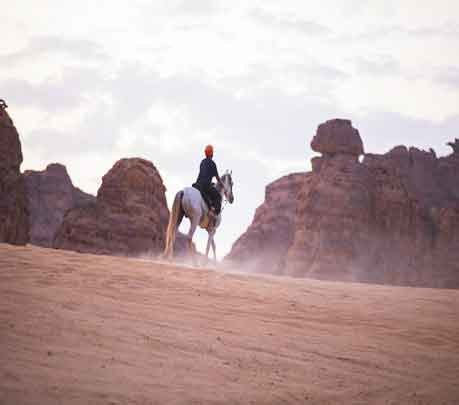
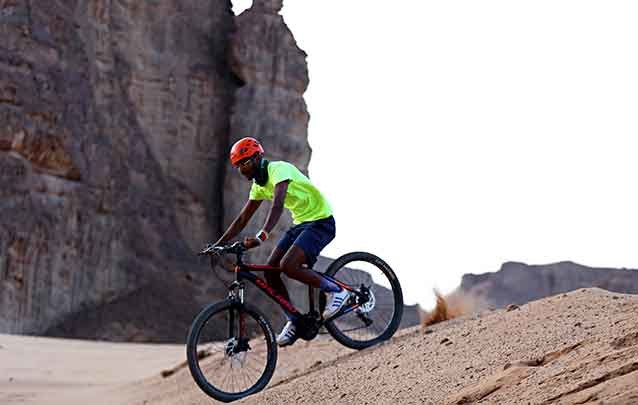
The RCU also focused on activating adventures for the tourists, including ziplining, hiking, mountain biking, stargazing and horseback riding — all of which has been put in place in the last six months.
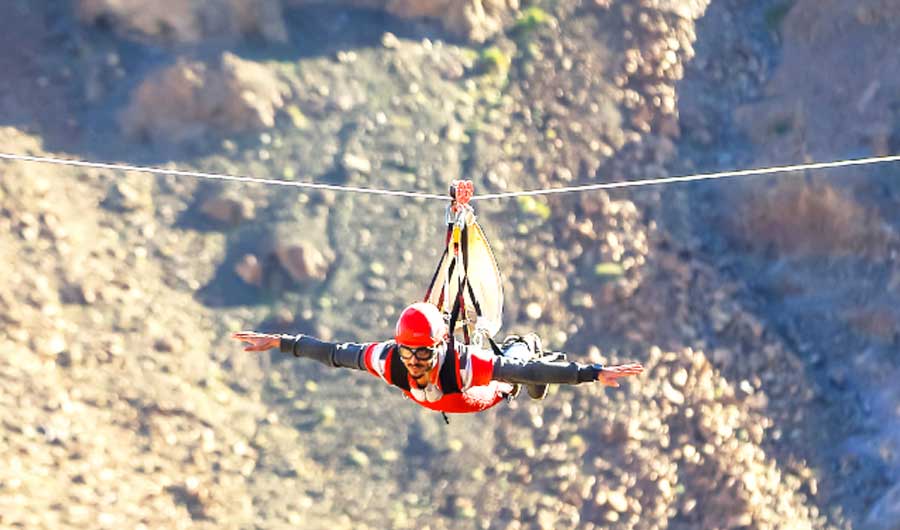
For adventure tourists, the Royal Commission for AlUla has added an array of activities, including a thrilling zipline, which reaches speed of more than 100km/h.
Next on the commission’s agenda will be new hotels and spas. “In the next three years we’ll have three Aman resorts that are very high-end. We also have a Banyan Tree, a Sofitel brand, and Habitas, which is a Mexican and US brand that is being built as we speak.”
According to Jones, 172 new hotel rooms will be added to AlUla’s inventory by August this year. The hotels and resorts will include spas, restaurants and outdoor pools for people to enjoy in the summer.
Although AlUla’s activities are year-round, Jones recognizes that the peak seasons will be from October through April, and then the summer will be the low season.
“Think about if you go to the South of France, they’re open from the spring through the fall, and then in the winter they’re closed. During low seasons, visitors will get really good rates,” he added.
“We’re also looking to activate some endurance activities like bike racing and endurance races in the desert to encourage a different type of visitor to come over the summer, and then also students and in educational tours.”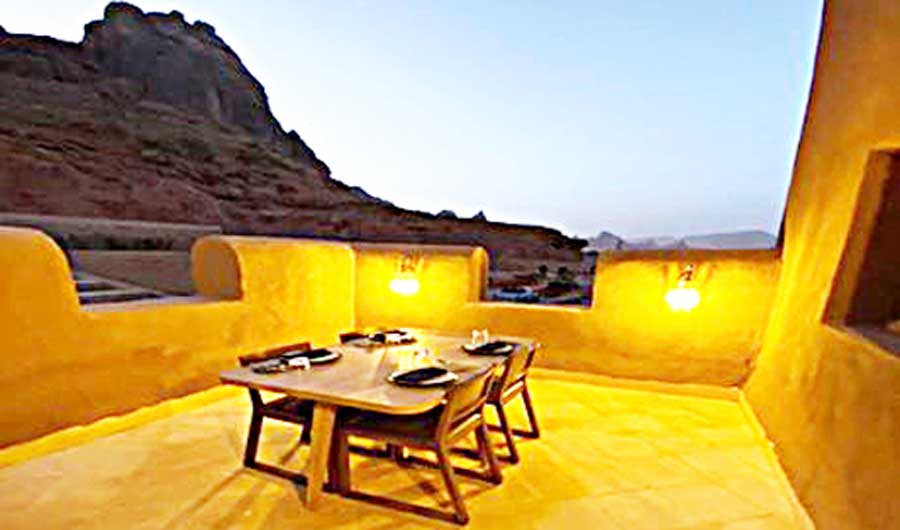
Another major attraction AlUla hosts is the Maraya Hall, which is used for special events and activities during summer. “Good news is it’s beautifully air-conditioned.”
Jones said that everything being built in AlUla is focused on sustainability, and protecting and preserving the natural environment.
“You’re not going to see a big skyscraper coming in. We have stringent requirements on what can and can’t be built, and how it is developed. Everything will fit into the environment, both from a natural and an aesthetic perspective, without superimposing anything that does not.”
Adding in Aman’s reputation for luxury, Jones said that between 2021 and the end of 2023, the commission’s primary focus will be luxury premium travelers.
“However, we don’t want people to come and stay in a luxury hotel that can be anywhere in the world. It has to be authentic and real,” he added. “So you don’t have to worry about checking in and thinking that this could be London or Arizona — it will be very much local and authentic to AlUla.”


