MYANMAR — Plain-clothed security agents detained two journalists outside a court in Myanmar on Friday, part of the junta’s intensifying efforts to choke off information about resistance to February’s coup.
Mizzima News’s former reporter, Than Htike Aung, and Aung Thura, a journalist from the BBC’s Burmese-language service, were covering legal proceedings against Win Htein, a detained senior official from the National League for Democracy, the party that ran the country before the takeover.
Men, who appeared to be plainclothes security agents outside a court in the capital of Naypyitaw, detained the journalists, Mizzima News reported.
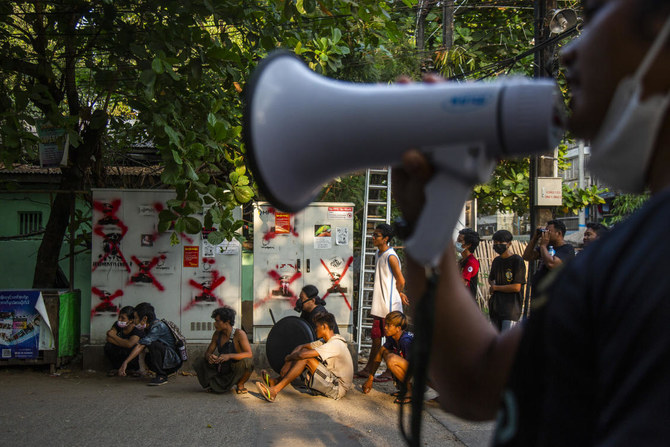
The coup reversed years of slow progress toward democracy after five decades of military rule. In the face of persistent strikes and protests against the takeover, the junta has responded with an increasingly violent crackdown and efforts to severely limit the information reaching the outside world.
Security forces have fired on crowds, killing hundreds, Internet access has been severely restricted, private newspapers have been barred from publishing, and protesters, journalists and politicians have been arrested in large numbers.
About 40 journalists have been arrested since the February 1 coup, with roughly half still in detention, including Thein Zaw of The Associated Press.
The increasingly brutal measures taken by the junta drew condemnation from a group of ambassadors from Western countries Friday as well as unusually strong rebukes from leaders in Indonesia and Malaysia.
A statement from the BBC said it is “extremely concerned” that Aung Thura had been taken away by unidentified men.
“The BBC takes the safety of all its staff in Myanmar very seriously and we are doing everything we can to find Aung Thura,” the organization said. BBC called on the authorities “to help locate him and confirm that he is safe.”
The reporters were taken into custody a day after Kyi Toe, a spokesman for the National League for Democracy, was arrested, according to a Facebook post by Phyo Zeya Thaw, a party official.
Toe had been a major source of information in the early days following the coup, after the ousted civilian government’s de facto leader Aung San Suu Kyi and other senior officials were detained. The takeover came the same day that newly elected lawmakers were supposed to take their seats in Parliament.
Amid a crackdown on the press, no privately owned newspapers were published this past week for the first time in eight years, following bans and voluntary suspensions. The military government also has banned at least five local news organizations from disseminating information on any platform, but its orders were mostly ignored.
Restrictions on the Internet have also been in place since shortly after the coup, including a blockage of mobile Internet access. Broadband Wi-Fi service remains available, though spotty.
Despite a crackdown, protesters were back in the streets Friday morning. Some rallies proceeded without violence, but in Aungban town in eastern Shan state, online Tachileik News Agency reported that at least seven people were injured when security forces sought to break up their march using tear gas, rubber bullets and live ammunition.
The independent Assistance Association for Political Prisoners reported that as of Thursday, it had verified 224 killings linked to the coup’s aftermath, more than half of them in Yangon, the biggest city. It said 2,258 people have been arrested or charged, with 1,938 still detained or evading arrest.
“Internet blackouts and the suppression of the media will not hide the military’s abhorrent actions,” read the statement from ambassadors to Myanmar from the European Union, several EU countries, Britain and the United States.
Indonesian President Joko Widodo on Friday urged a halt to violence and asked other regional leaders to hold a summit on the crisis.
Malaysia’s Prime Minister Muhyiddin Yassin said he was “appalled by the persistent use of lethal violence against unarmed civilians.”


![]()

2 journalists detained as Myanmar junta clamps down on press
Short Url
https://arab.news/ryhuy
2 journalists detained as Myanmar junta clamps down on press
- Junta has responded with an increasingly violent crackdown and efforts to severely limit the information reaching the outside world.
- About 40 journalists have been arrested since the February 1 coup, with roughly half still in detention, including Thein Zaw of The Associated Press.


Latest updates


© 2026 SAUDI RESEARCH & PUBLISHING COMPANY, All Rights Reserved And subject to Terms of Use Agreement.