ISLAMABAD: The Pakistani government said on Thursday neighbouring arch-rival India had caused a delay in the delivery of the first batch of the AstraZeneca/Oxford vaccine, which was scheduled to arrive in Islamabad on March 2.
The vaccine is being manufactured by the Serum Institute of India, the world’s largest vaccine manufacturer, which will deliver it to 92 lower and middle income countries, including Pakistan, under the World Health Organization’s COVAX programme - the main global scheme to vaccinate people in poor and middle income countries around the world.
COVAX aims to deliver at least two billion coronavirus vaccine doses by the end of 2021 to cover 20% of the most vulnerable people in 91 poor and middle-income countries, mostly in Africa, Asia and Latin America.
“The [AstraZeneca] vaccine delivery to Pakistan has got late due to a delay in issuance of an export exemption certificate,” Dr. Nausheen Hamid, parliamentary secretary for health, told Arab News on Thursday. “It [the vaccine] has to come from India so they have delayed the release of the [export exemption] certificate.”
When asked if the delay in granting the export exemption certificate was a “deliberate” move on the Indian government’s part, the parliamentary secretary said: “I don’t know if it is intentionally delayed. But I do know the delay is caused by their [India’s] end.”
Islamabad is now expecting the first tranche of the AstraZeneca vaccine by mid-March. As per the plan under the COVAX program, the country will by June be receiving 45 million doses in two to three instalments. At least 14 million doses are expected to be delivered in the first phase.
Since February 24, COVAX has so far shipped over 17.8 million COVID-19 vaccine doses to a number of countries including the Philippines, Sudan, Rwanda, Kenya, Gambia, Cambodia, Angola, Nigeria and Ghana.
Pakistan started its COVID-19 vaccine program in the first week of February with jabs for frontline health workers as priority after getting at least 500,000 doses as a donation from China. The government on Wednesday kicked off the second phase of the coronavirus vaccination drive, administering jabs to people over 60 years of age.
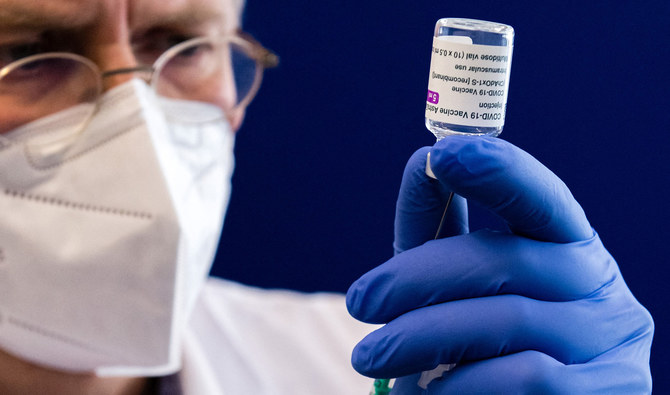
AstraZeneca’s COVID-19 vaccine candidate, dubbed AZD1222, can be stored and transported at normal refrigerated temperatures of two to eight degrees Celsius (36-46 degrees Fahrenheit) for at least six months and can be easily administered in Pakistan’s existing healthcare settings.


![]()

Pakistan says AstraZeneca vaccine delivery delayed by India
Short Url
https://arab.news/nsyyh
Pakistan says AstraZeneca vaccine delivery delayed by India
- India delayed issuing export exemption certificate for vaccine to be supplied to Pakistan under COVAX plan, parliamentary secretary health says
- Islamabad is expected to receive 45 million AstraZeneca/Oxford vaccine doses by June this year, first delivery was scheduled for March 2
Latest updates




© 2026 SAUDI RESEARCH & PUBLISHING COMPANY, All Rights Reserved And subject to Terms of Use Agreement.