- Recent media reports say many projects under CPEC suspended or stalled due to coronavirus and financing disputes between Beijing and Islamabad
- Not a single CPEC project suspended or delayed, chairman of China Overseas Ports Holding Company says, Pakistani legislators say CPEC ‘only on paper’ in Balochistan
Gwadar, BALOCHISTAN: A top Chinese official involved in China-Pakistan Economic Corridor projects in Pakistan has denied media reports and statements by Pakistani lawmakers that work on the multi-billion dollar infrastructure and energy program was delayed or suspended, while Pakistani legislators insisted work had been halted, particularly in the southwestern Balochistan province.
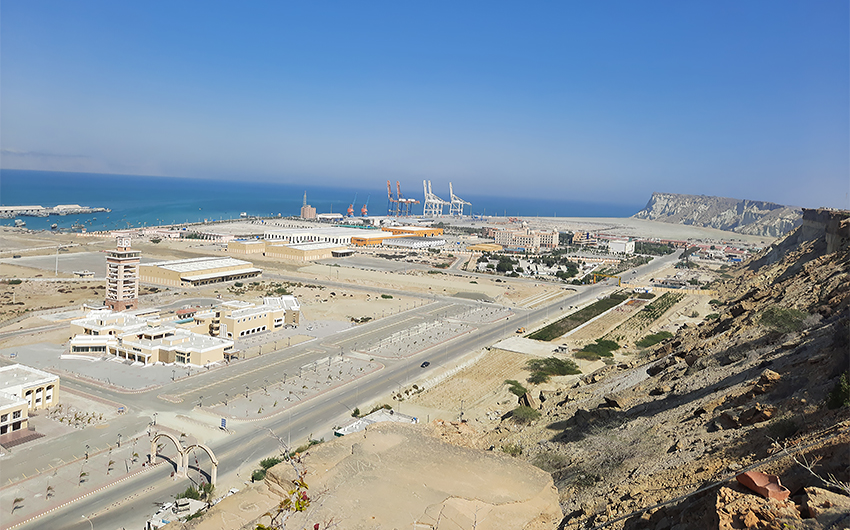
Gwadar, in Balochistan, is the crown jewel of China’s $60 billion investment in Belt and Road Initiative (BRI) projects in Pakistan. The aim is for the port city, located on the Arabian Sea near Iran and the mouth of the Arabian Gulf, to become a regional commercial, industrial and shipping hub, as part of the ambitious CPEC project. The corridor is designed to give China a shorter, more secure trading route, via Pakistan, to the Middle East and beyond, while also boosting Pakistan’s economy.
But media reports in recent weeks have said many of the projects under CPEC had been suspended or stalled due to the coronavirus pandemic and over financing disputes. The costliest project to date under the CPEC agreement, a $6.8 billion project to upgrade railway lines, has reportedly run into trouble, with Beijing reluctant to fund the project at the one percent rate demanded by Islamabad. And of $19 billion worth of energy projects in Pakistan to produce 11,648MW electricity, only four projects have so far been completed. Delay in getting 116 acres of land in Gwadar vacated by law enforcement agencies has also slowed down work on the Gwadar Free Zone and Gwadar Eastbay Expressway — two projects seen as critical for the full functioning of Gwadar Port — Pakistani media reported this week.
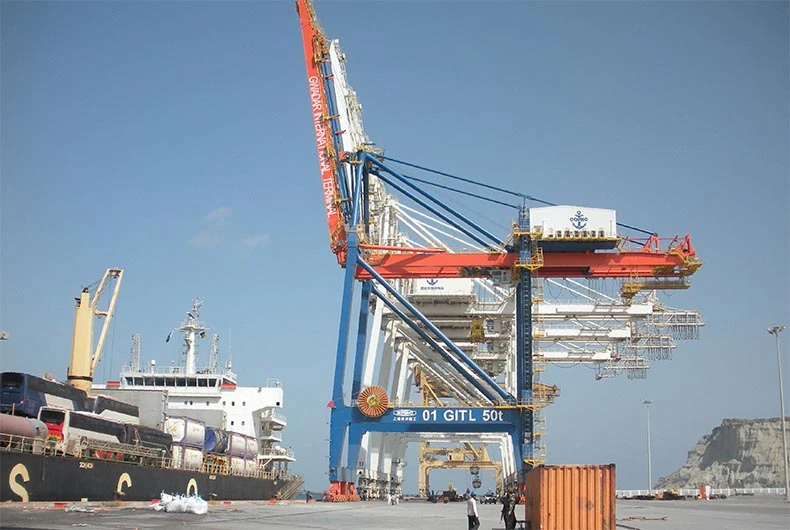
“It is true that COVID-19 had some negative impact on some projects but I can tell you that on CPEC projects, not a single CPEC project is suspended or delayed,” Zhang Baozhong, chairman of the China Overseas Ports Holding Company (COPHC), which operates Gwadar port, told Arab News in Gwadar last week.
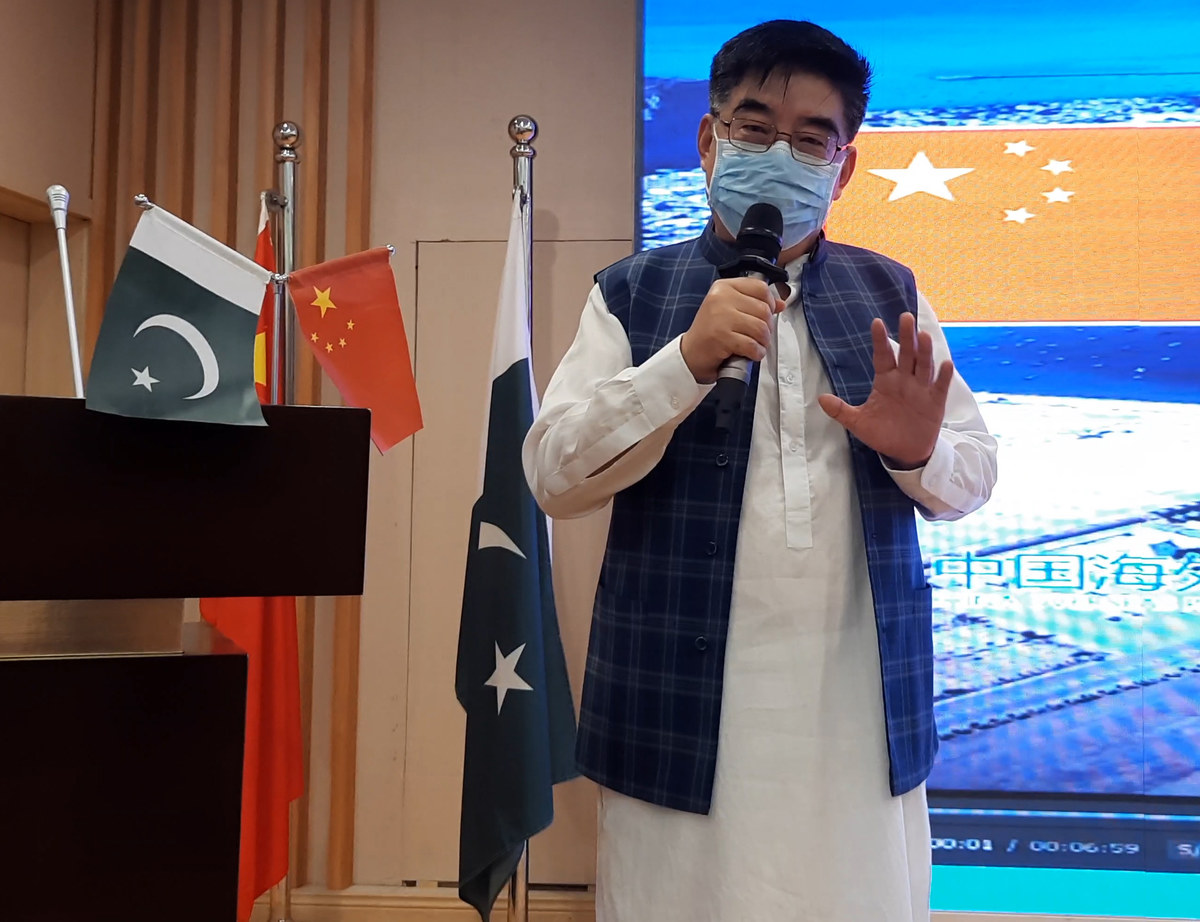
“In fact I am happy to report that many projects have already been completed ahead of their scheduled time frame, including the Pak-China Technical and Vocational Institute at Gwadar, at a cost of $10 million, that would be handed over by the end of June instead of by the end of the year,” Baozhong added.
The Chinese official said Beijing was “very serious” about the completion of CPEC projects as per agreed upon timelines, including a new Gwadar International Airport.
“Recently, Nong Rong, the new ambassador of China to Pakistan, especially visited Gwadar and held meetings with contractors at serious note,” Baozhong said. “He seriously instructed all contractors to manage to speed up the work on the project and try to complete the projects at the anticipated timeline.”
The COPHC chief said China had invested more than $500 million on the development of the port and social sectors.
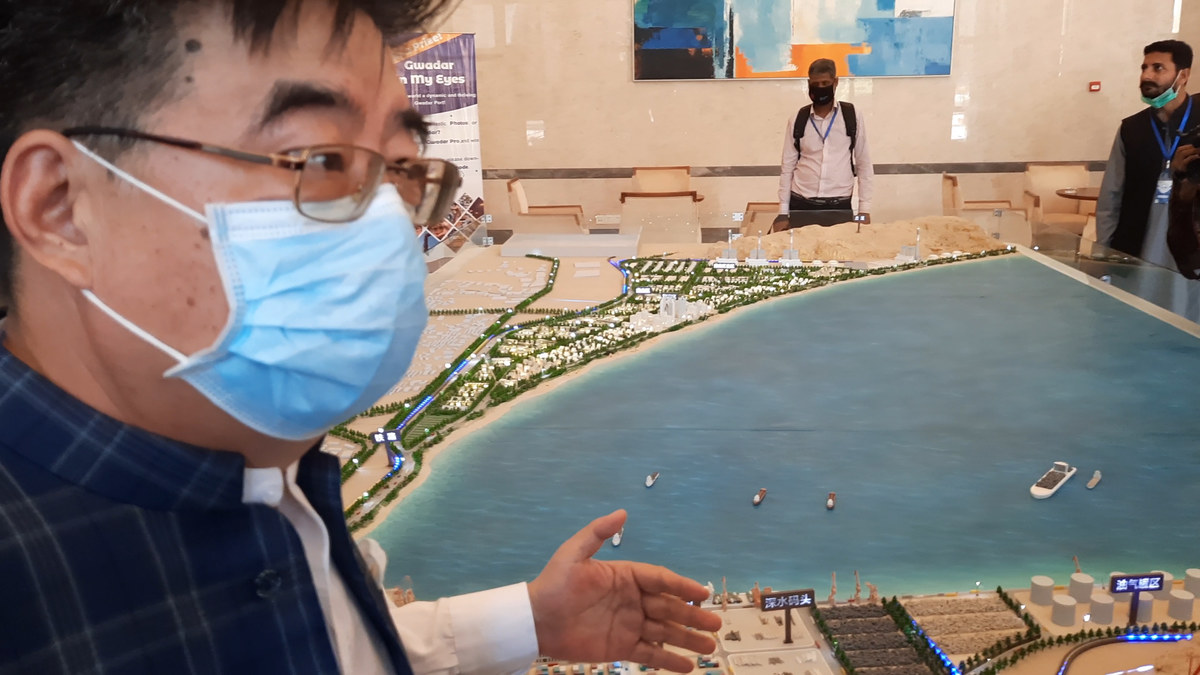
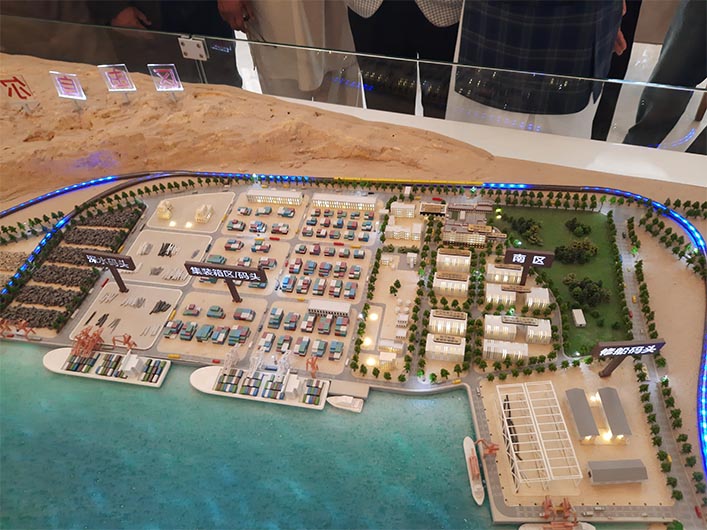
“Amount granted by Chinese government is being spent on construction of breakwaters, dredging of berthing areas and channels, the Pak-China Friendship Hospital, Desalination plant, Pak-China Technical and Vocational Institute at Gwadar,” Baozhong said.
He added that 43 companies had already started operations in Gwadar and more than 200 had registered. Industries including tractor manufacturing, heaving chemical, edible oil, mobile processing and manufacturing, home appliances manufacturing and assembling units would be set up in Gwadar, Baozhong added.
But Pakistani legislators who work on CPEC disagreed, insisting that many projects had been halted.
According to a report published in The Express Tribune earlier this month, during a meeting of the Senate Special Committee on CPEC projects, senator Sikandar Mandhro, chief of transport planning at the Pakistan Planning Ministry, said some projects, including the Khuzdar-Basima project, were being carried out using federal development funds due to the absence of funding from China.
“No work is being done on CPEC in Pakistan ... the work is halted,” Mir Kabeer Ahmed Muhammad Shahi, a member of the Senate’s standing committee on CPEC, told Arab News. “In Balochistan no work on CPEC even worth a single penny is being done … You will not find a clue of CPEC in Balochistan. Everything is on paper.”
Officials privy to progress on CPEC projects agreed there were delays and said the provincial and federal governments of Pakistan were responsible for the slowdown.
“In the regional perspective, work on BRI projects in Iran and Afghanistan is being done at a fast pace,” Shaukat Populzai, president of the Balochistan Economic Forum, told Arab News. “But in Pakistan the federal as well as the provincial governments are not proactive.”