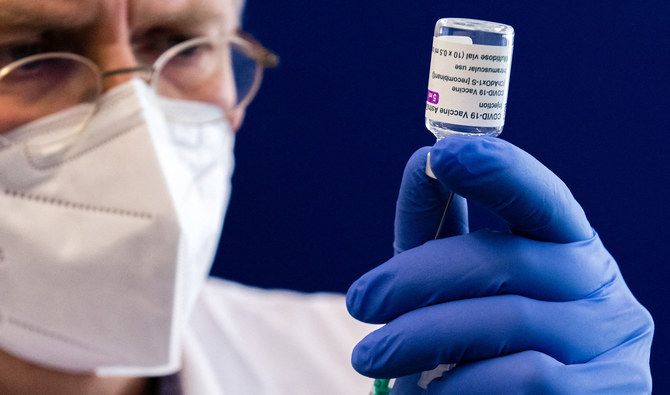
ISLAMABAD: Pakistan said on Thursday it expects to receive 2.8 million doses of AstraZeneca's COVID-19 vaccine on March 2, its first batch under the GAVI/WHO COVAX vaccine initiative, and will start giving doses to the over 60s.
Pakistan, which has recorded more than 550,000 cases of COVID-19 and more than 12,000 deaths, is still largely reliant on the GAVI/WHO COVAX initiative, which aims to supply COVID-19 vaccines to poorer nations. The country began its COVID-19 vaccination program only this month, with 500,000 doses of Sinopharm's vaccine donated by long-time ally China.
Frontline health workers are being vaccinated first.
"I can confirm according to the information we've been given that we will receive 2.8 million doses of AstraZeneca's vaccine as part of the COVAX," health minister Faisal Sultan told a news conference.
He said the vaccine will be used to start a public vaccination program for people above the age of 60.
Pakistan is also one of the first countries that plans to allow the private sector to conduct vaccinations and its drug regulator issued guidelines on Thursday for private companies to set up centers to administer COVID-19 vaccines.
The private sector has an integral role in terms of ensuring safe and secure COVID-19 vaccinations in addition to the public sector, the drug regulator said in a notice announcing the guidelines.
"The standard operating procedures (SOPs) are being developed for AVCs (Adult Vaccination Counters) in order to ensure (a) smooth vaccination process," it said.
Last week Pakistan allowed the commercial import and sale of vaccines without price caps, in contrast to most countries, which are importing and administering vaccines through government channels.
The guidelines say private firms will be responsible for identifying and enlisting prioritized people for vaccination, monitoring, surveillance, management, communications and cold-chain management.
The firms will ensure training of nurses and skilled staff in vaccine administration, infection prevention and control, and use of recording and reporting tools on prescribed formats.
The centers will share daily reports with government health management teams.


![]()

Pakistan to receive 2.8 mln doses of AstraZeneca vaccine under COVAX scheme on March 2
Short Url
https://arab.news/g5z72
Pakistan to receive 2.8 mln doses of AstraZeneca vaccine under COVAX scheme on March 2
- In contrast to most countries, Pakistan recently allowed the commercial import and sale of vaccines without price caps
- The country began its COVID-19 vaccination program this month, with 500,000 doses of Sinopharm's vaccine donated by China
Latest updates



© 2026 SAUDI RESEARCH & PUBLISHING COMPANY, All Rights Reserved And subject to Terms of Use Agreement.