

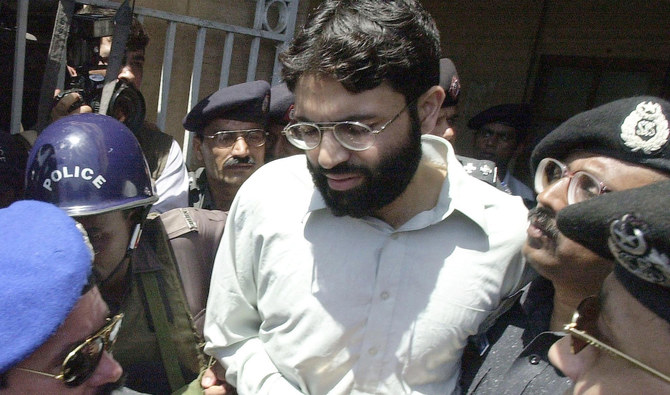

ISLAMABAD: The United States embassy in Islamabad said on Thursday it had “no comments” yet on the decision by the Pakistani Supreme Court to order the release of Ahmed Omar Saeed Sheikh, the British-born Pakistani suspect convicted and later acquitted in the 2002 beheading of American journalist Daniel Pearl, Pakistani media reported.
Sheikh was convicted of helping lure Pearl, a 38-year-old Wall Street Journal reporter, to a meeting in Pakistan’s southern port city of Karachi in 2002, during which he was kidnapped. Sheikh was sentenced to death and three other suspects were sentenced to life in prison for their roles in the plot. Last April, however, a lower court acquitted them in a verdict that has stunned the US government, Pearl’s family and journalism advocacy groups.
The acquittal was appealed separately by a Pakistani provincial government and Pearl’s family in the Supreme Court, which were rejected on Thursday by the court. The three-judge bench, headed by Justice Mushir Alam, also directed that Sheikh be released.
“By a majority of two to one, they have acquitted all the accused persons and ordered their release,” a provincial attorney general, Salman Talibuddin, told Reuters in a text message.
It wasn’t immediately clear when Sheikh would be freed.
“The Pearl family is in complete shock by the majority decision of the Supreme Court of Pakistan to acquit and release Ahmed Omer Sheikh and the other accused persons who kidnapped and killed Daniel Pearl,” the Pearl family said in a statement.
"No comments at this stage," a US embassy spokesperson told Arab News.
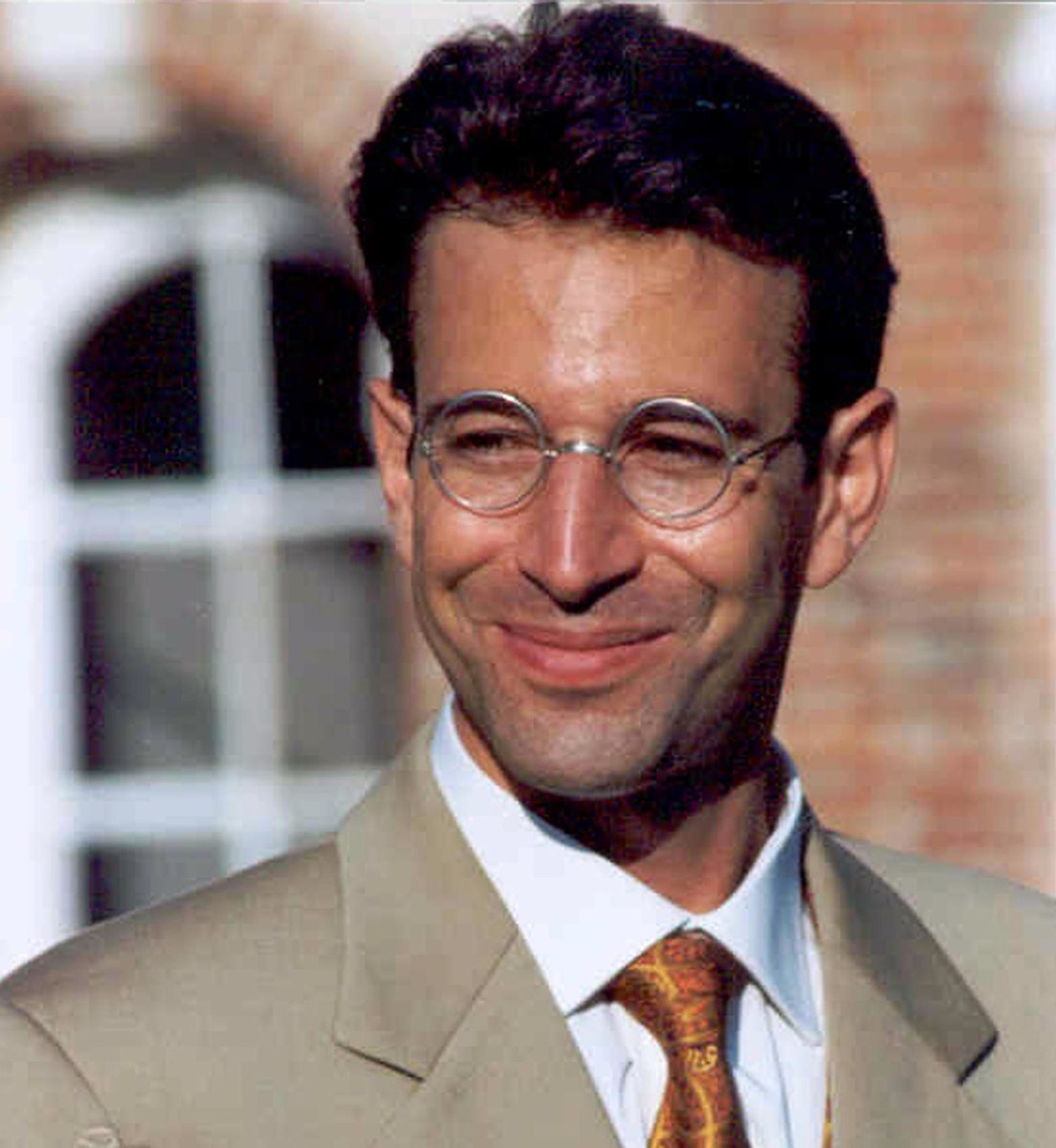
This is an undated file photo of Wall Street Journal reporter Daniel Pearl who disappeared in the Pakistani port city of Karachi 23 January 2002 after telling his wife he was going to interview an extremist group leader. (AFP)
Last December, the United States Justice Department released a statement by Acting Attorney General Jeffrey A. Rosen, thanking the Pakistan government for its appeal against the court order acquitting Sheikh and saying: “We cannot allow him to evade justice for his role in Daniel Pearl’s abduction and murder.”
“We understand that Pakistani authorities are taking steps to ensure that Omar Sheikh remains in custody while the Supreme Court appeal seeking to reinstate his conviction continues,” the statement by Rosen said. “The separate judicial rulings reversing his conviction and ordering his release are an affront to terrorism victims everywhere.”
He added: “We remain grateful for the Pakistani government’s actions to appeal such rulings to ensure that he and his co-defendants are held accountable. If, however, those efforts do not succeed, the United States stands ready to take custody of Omar Sheikh to stand trial here.”
However, Sheikh’s lawyer told Arab News on Thursday there were little or no chance his client would be extradited to the US.
“I would like to know from you under what provision they want him extradited, for what offence and on what charge,” Mahmood A. Sheikh said. “This is not a trial which was done behind the back of the US government. The US participated in this trial by sending a contingent of FBI officers to Pakistan who along with the police investigated the case. They appeared as witnesses in the trial court.”
He added that there could be no "double jeopardy" under the Pakistani constitution.
“If a person has been acquitted or convicted after a due trial in Pakistan, he cannot be charged and tried for that offence again,” the lawyer said. “Similar provision is available in the US constitution — it’s called the Fifth Amendment — and it clearly says no double jeopardy. So the United States government may have a desire and wish to lay its hands on this person, but this won’t happen.”
Sheikh said Pakistan would protect its citizens.
“The Pakistan government will honor its own constitution,” the lawyer said, “and will not enter into any scheme to defeat the fundamental rights of its own citizens.”
On Wednesday, Sheikh’s lawyer had admitted that his client had written a letter telling a court that he played a “minor” role in Pearl’s killing. The letter was submitted to Pakistan’s Supreme Court nearly two weeks ago but it wasn’t until Wednesday that Sheikh’s lawyer confirmed his client wrote it.
Nowhere in the three-page letter addressed to the Sindh High Court does Sheikh elaborate or say exactly what his alleged “minor” role in Pearl’s slaying was.


