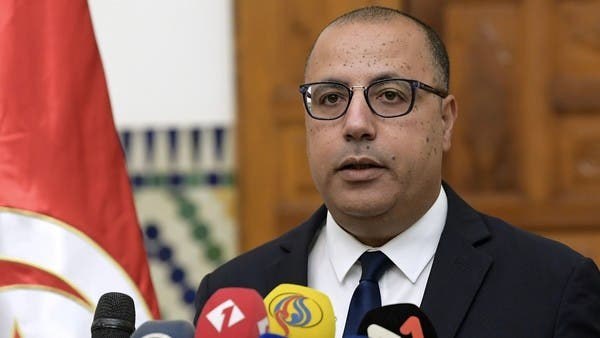
TUNIS: Tunisian Prime Minister Hichem Mechichi on Tuesday sacked his interior Minister, who is close to President Kais Saied, a move underscoring tensions between the country’s two most powerful leaders.
Saied and Mechichi are at odds over their respective powers and political alliances. With the dismissal of Interior Minister Taoufik Charfeddine, the tensions could mushroom into a crisis threatening a collapse of the technocratic government.
A cabinet statement said Mechichi would supervise the interior ministry on an interim basis pending the appointment of Charfeddine’s successor. No reasons were given for his removal.
Mechichi is expected in coming weeks to reshuffle his cabinet amid demands from pro-government parties in parliament to include party figures in the government. Opposition parties and the presidency want a continued technocratic cabinet.
Parliament approved a technocratic government in a confidence vote four months ago, hoping to end months of political instability and focus on tackling worsening economic and social problems.
Though Saied proposed Mechichi as premier in the new government, Tunisian politicians said he subsequently withdrew his support, underlining brewing tensions between the presidency and government.
While previous bouts of political discord in Tunisia focused on the split between secularists and Islamists, or over economic reforms, more recent tensions seem rooted in the division of powers between president and parliament.
Tunisia is the only Arab country to have managed a peaceful transition to democracy after the “Arab Spring” uprisings that swept through the region in 2011.
But the North African nation’s economy has been crippled by high debt and deteriorating public services, made worse by the global coronavirus pandemic.


![]()

Tunisian PM sacks interior minister, baring tensions with president
Short Url
https://arab.news/rzbzz
Tunisian PM sacks interior minister, baring tensions with president
- A cabinet statement said Mechichi would supervise the interior ministry on an interim basis
- No reasons were given for Interior Minister Taoufik Charfeddin's removal


Latest updates


© 2026 SAUDI RESEARCH & PUBLISHING COMPANY, All Rights Reserved And subject to Terms of Use Agreement.