GAZA CITY: People with disabilities can face an “extraordinarily difficult” life in the Gaza Strip due to the Israeli blockade and lack of assistance from Hamas, Human Rights Watch warned Thursday.
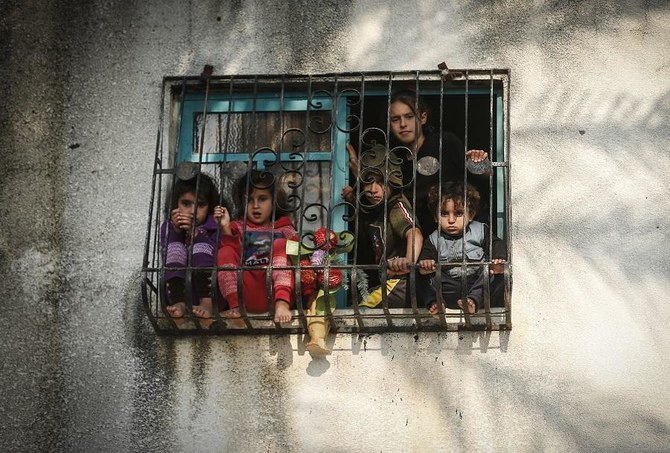
Two million Palestinians live in the poverty and conflict-plagued enclave wedged between Israel, Egypt and the Mediterranean Sea.
In a report released on the International Day of Persons with Disabilities, HRW said the 2007 blockade Israel imposed on the territory following Hamas’s rise to power had “robbed people with disabilities in Gaza of their freedom of movement.”
Emina Cerimovic, senior researcher in HRW’s disability rights division, said Israeli control of Gaza’s eastern border had also impaired “access to the devices, electricity, and technology they need to communicate or leave their homes.”
Israel limits the entry into Gaza of goods that could be used for military purposes and controls the flow of fuel needed to power the enclave’s sole electricity plant.
The report noted the impact of recurring power cuts on people with disabilities who need light to communicate through sign language, or electric lifts or scooters to get around.
Hamas, which has fought three wars with Israel since 2008, has failed to provide sufficient ramps or lifts in many buildings in the enclave, according to the report.
“Israel’s policies, alongside the failure of Hamas authorities to address the lack of accessibility across Gaza and widespread stigma, contribute to making life in Gaza extraordinarily difficult for many people with disabilities,” the report said.
The United Nations has marked International Day of Persons with Disabilities on December 3 every year since 1992.


![]()

Life in Gaza ‘extraordinarily difficult’ for disabled: HRW
Short Url
https://arab.news/68afw
Life in Gaza ‘extraordinarily difficult’ for disabled: HRW
- Two million Palestinians live in the poverty and conflict-plagued enclave wedged between Israel, Egypt and the Mediterranean Sea


Latest updates


Recommended


© 2026 SAUDI RESEARCH & PUBLISHING COMPANY, All Rights Reserved And subject to Terms of Use Agreement.