ISLAMABAD: The government has allowed a pharmaceutical company to import rapid coronavirus testing kits from Germany that can diagnose an individual suffering from COVID-19 within 20 minutes, a top official confirmed on Thursday.
The Drug Regulatory Authority of Pakistan (DRAP) has duly approved the registration of rapid testing kits and allowed their use as the second wave of the pandemic hits the country.
“These rapid kits will help increase our daily testing capacity, besides making the infection tests affordable to a large population,” Asim Rauf, chief executive officer at DRAP, told Arab News.
The decision is taken at a time the country is facing yet another surge in COVID-19 cases and has banned large public gatherings to stem the spread of the virus. Pakistan on Thursday recorded 3,306 new coronavirus infections and 40 related deaths with 45,999 tests in the last 24 hours.
“Some rapid testing kits are already available in the country, and more will be available in the next couple of weeks,” Rauf said, adding that the kit would give the result of a specimen in 20 minutes.
Molecular diagnostic tests are the most common form of testing in Pakistan and rely on samples collected from patients using nasal swabs. The samples are then analyzed through a method called polymerase chain reaction (PCR), which detects viral RNA. These tests can be highly accurate and detect the virus in 95 percent of cases. However, results can take up to 48 hours or more to be delivered, and one test can cost up to Rs10,000 or $60.
The new rapid test is likely to cost about Rs2,000, or $12, and deliver the result in 20 minutes. Many health experts, however, question the authenticity of the rapid antigen tests, though the DRAP CEO said the agency had given its approval for the import of these testing kits after carefully examining the relevant data.
Around the world, the coronavirus crisis has prompted countries to ease regulations for tech and pharmaceutical companies to register their products which can help fight the deadly virus. Many developed countries, such as Australia, Germany, Italy, China and the United States, have already been using the rapid testing kits to detect COVID-19 infections.
“The government is not spending a penny on the import of these kits since a private company is introducing them here to provide another option to patients who want to get themselves tested for the virus,” the drug regulatory authority’s chief added.


![]()
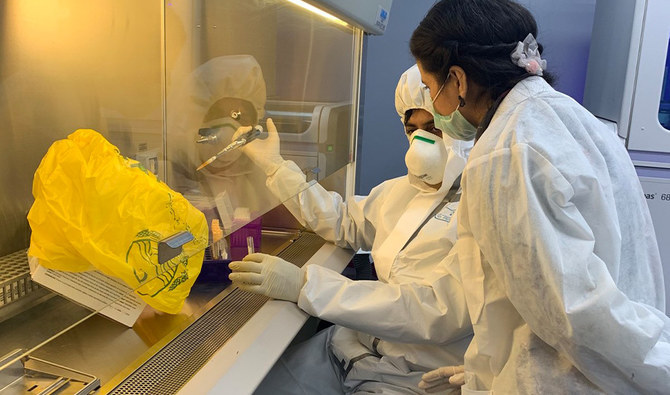
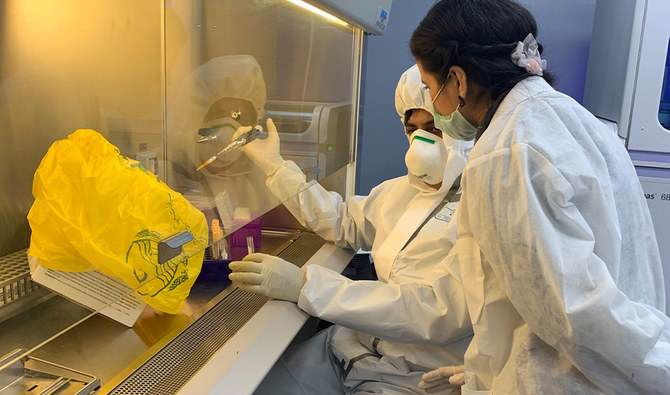
Regulatory body allows rapid COVID-19 testing kits to be imported from Germany
Short Url
https://arab.news/5tp79
Regulatory body allows rapid COVID-19 testing kits to be imported from Germany
- The new diagnostic kits will cost about $12 per piece and give results in 20 minutes
- The drug regulatory authority says it allowed the import after carefully examining the relevant data
Latest updates




© 2026 SAUDI RESEARCH & PUBLISHING COMPANY, All Rights Reserved And subject to Terms of Use Agreement.