



NEW YORK: Walmart, Best Buy and hundreds of smaller retailers are bolstering their online gift features, hoping to challenge Amazon’s dominance as a seller of holiday gifts to homebound shoppers.
The new services seek to take some of the drudgery out of gift-giving. The features let consumers purchase a present online and have it delivered to the recipient with, for example, the retailer handling wrapping, a personal message or a receipt that does not show the gift’s price.
Amazon’s rivals have tried to chip away at its online preeminence, spending millions to fulfill orders faster, expand product catalogs and, in some cases, provide free shipping and even subscription services. But the first holiday sales season with widespread coronavirus has drawn attention to a previously overlooked battlefront: Gift giving.
Consumers flocked to Walmart and other retailers early in the pandemic when Amazon was at times slow to deliver essentials including toilet paper.
Now, Amazon competitors see another opportunity to seize market share.
“This is an area of opportunity where smaller or large retailers could differentiate given most consumers will be doing their holiday shopping online this year,” said Bobby Figueroa, who worked for Amazon’s ad sales unit before founding retail analytics startup Gradient.
Walmart.com on Oct. 28 added a “gift eligible” label on hundreds of thousands of US product pages, including for toilet paper, a status previously not displayed until checkout. Gift eligible means Walmart can send gift receipts as well as let shoppers customize an email greeting. It will also ship the item in its boxes, concealing manufacturer packaging.
With gift-giving already up from last year, Walmart increased its inventory of laptops, loungewear and exercise equipment ahead of the holidays. Shoppers can search specifically for only gift-eligible items for the first time.
BestBuy.com in mid-October added an option for gift receipts with store pickups. It also started allowing shoppers to arrange for Best Buy to email gift recipients with a festive greeting on the same day that items are delivered.
Estee Lauder Companies Inc. this year is using technology from startup SmartGift that added options across five of its websites for shoppers to designate cosmetics and other items as gifts while letting recipients select color, size or scent before shipping.
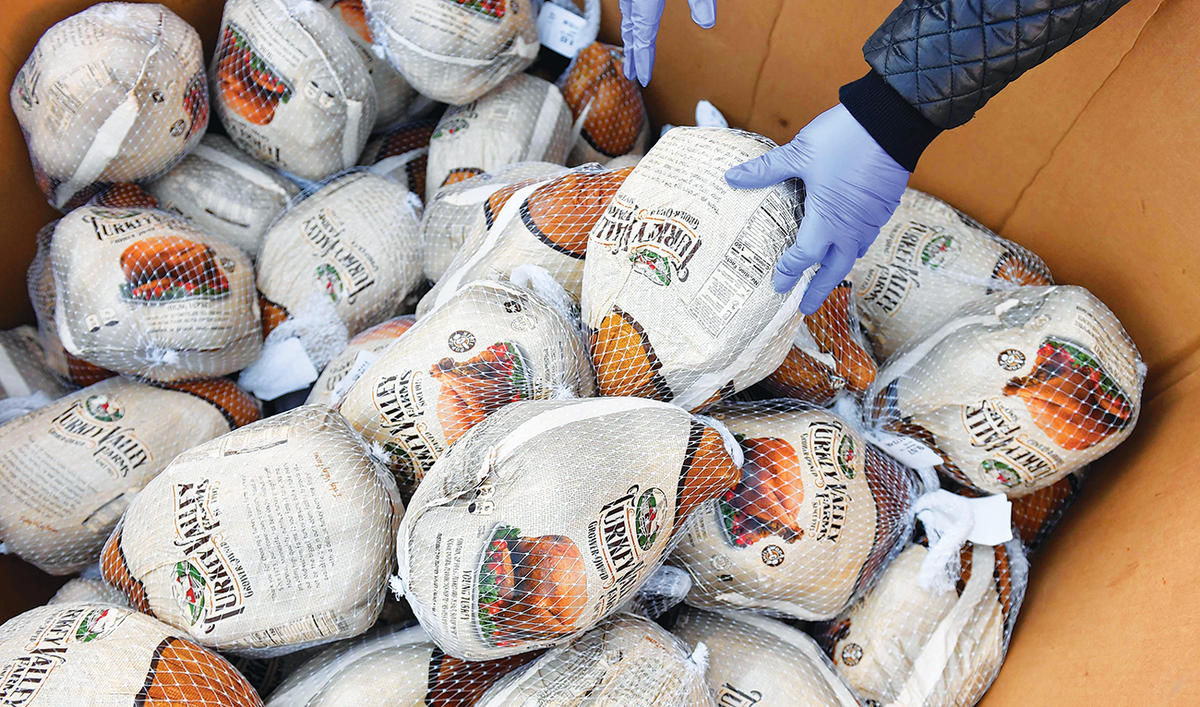
Consumers this year are putting savings from skipped outings due to the coronavirus into celebrating Christmas and other year-end holidays. (AFP)
Americans will spend $160 billion on gifts during the current quarter, up 5 percent from a year ago as people put savings from skipped outings into celebrating Christmas and other year-end holidays, according to industry analyst Coresight Research.
Adobe’s e-commerce software unit Magento expects Americans to ship gifts to 18 percent more recipients than a year ago as travel is curbed.
But Coresight still expects Amazon.com to capture 18 percent of gift purchases and 7.2 percent of overall US retail sales, up from 14 percent of gift purchases and 5.6 percent of total sales in 2019.
It pushed its annual sales event Prime Day to October from July as an early start to holiday shopping, and it brought forward the release of its annual guide of potential gifts to just before. The guide, which included new sections for items from small and Black-owned businesses, was Amazon’s largest ever.
The company has long provided basic gift features. It charges several dollars to gift-wrap shipments, and a free message of up to 240 characters per item can be printed on black-and-white gift receipts. A year ago, it started offering emailed gift receipts and messages for some items, with links to let recipients initiate a return and send a thank you note.
But some consumers are frustrated that Amazon does not offer options that others do, such as the ability to specify delivery date or gift wrap color, have recipients enter their shipping address or send gift messages by text, video and physical card.
“The gift thing on Amazon is completely broken,” said Lawrence Greenberg, 54, a financial planner in New Hope, Pennsylvania. He said that he will buy elsewhere when possible after four of his gift recipients over the past three years either did not notice or receive the printed gift message. Just last month, a client puzzled for two weeks over who sent cocktail glasses until Greenberg asked.
Amazon said that its gift features remain popular.
Jeff Jordan, 33, of Charlotte, shipped three Amazon purchases to himself this month, with plans to wrap and re-ship the gifts. He lost faith in Amazon last year when it wrapped a gadget for his parents in a gray plastic sleeve with a tiny gift tag and a wad of tissue paper.
Though Amazon apologized and refunded, Jordan said that he had “learned his lesson.”


