RAWALPINDI: A luxury 4,000 square ft. store in the eastern Pakistani city of Lahore packs a sensory punch-- reminiscent of innovative Middle Eastern design curated by Yousaf Shahbaz, a young, increasingly sought-after architect and interior designer from Pakistan.
The store is owned by clothing brand Saira Rizwan and came to life last year, boasting of contemporary arabesque design: velvet tent-like drapes and lotus flowers flanked by multifoil arches and palm tree sculptures.
“The Middle East is all about abundance,” Lahore-based Shahbaz told Arab News. “There is more luxury and more of everything, in terms of design.”
It was in 2016 that Shahbaz, whose work is known for its interpretive, art deco aesthetic, first tapped into the Middle-East for inspiration, when a mega project tasked him to design over half a dozen stores for high-street retail giant Sapphire.
The retailer’s enormous stores spread between 10 to 15,000 square ft. and Shahbaz took inspiration from the classic features of Middle Eastern spaces, he said, like indoor and outdoor flow.
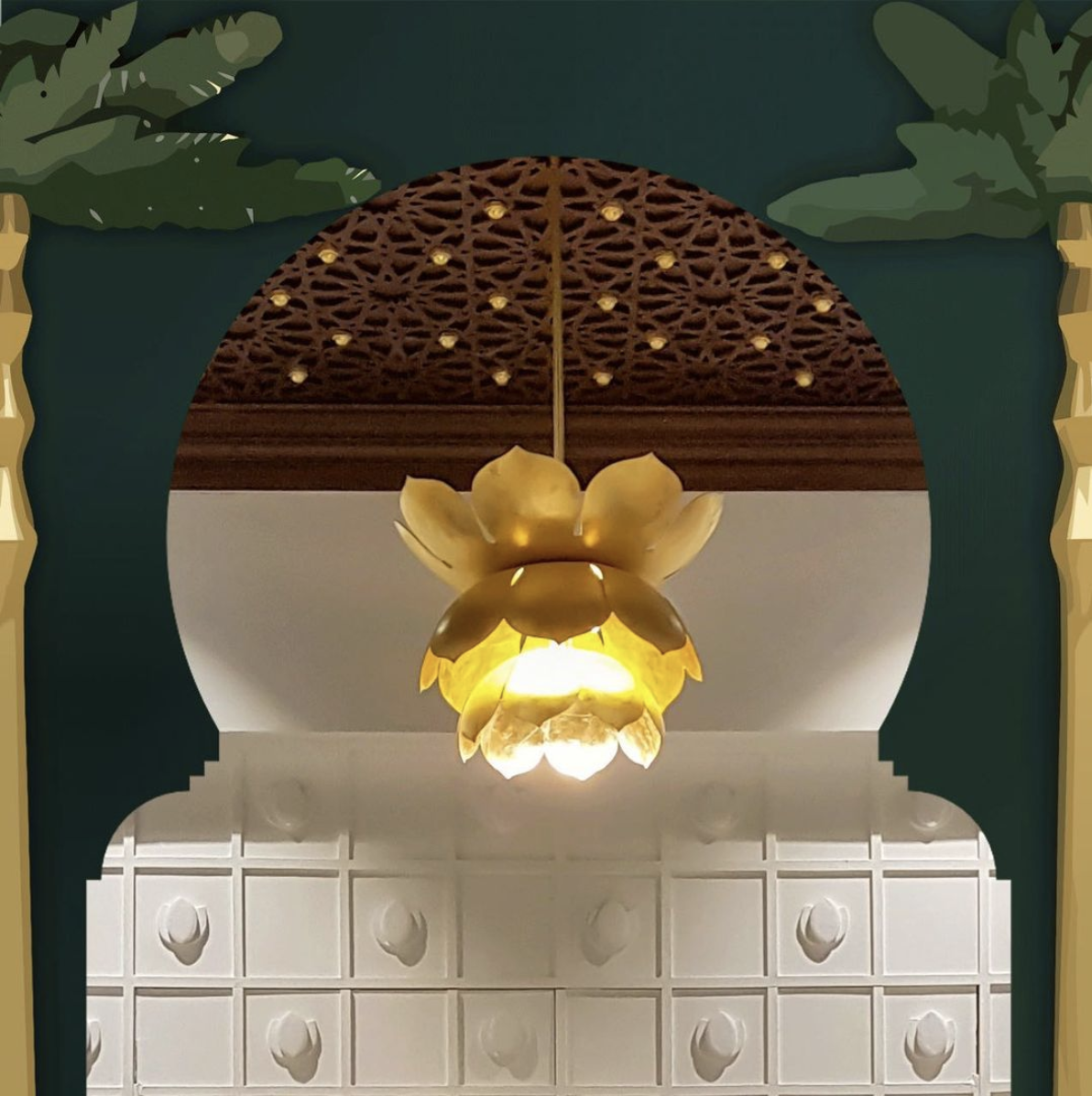
For Saira Rizwan's luxury store in Lahore established in 2019, Yousaf Shahbaz used inspiration from the Middle East and Morocco. (Photo Courtesy: STRATA)
“Even though,” Shahbaz laughed, “the whole thing is indoors in a mall.”
“But the spaces lean into opulence, with the goal of transporting customers. Within the store, a customer enters into an almost private place with the retail aspects toward the left and the right,” he added.
“It was our modern translation of a classic Middle Eastern courtyard-- warm and inviting.”
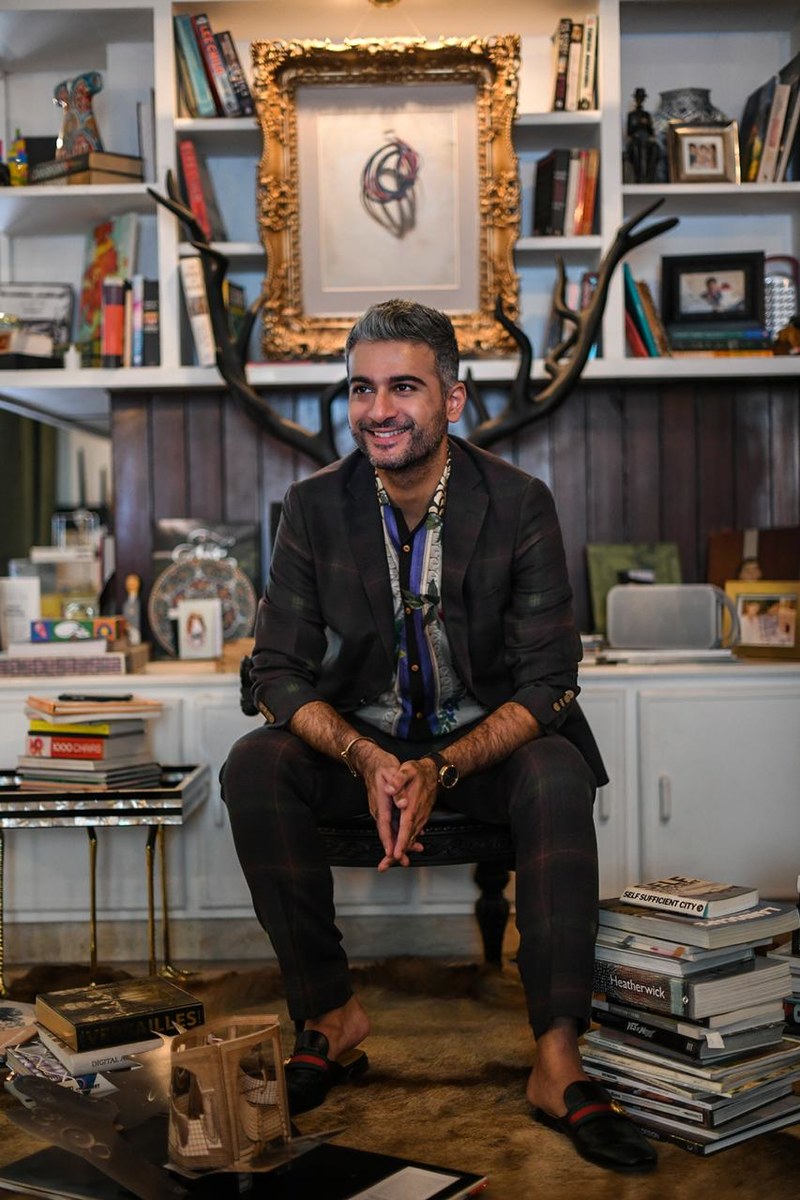
Yousaf Shahbaz photographed at his home in Lahore in May 2019. (Photo Courtesy: Faisal Farooqui)
Shahbaz approached Saira Rizwan’s space in a similar way, as a contemporary interpretation of Middle Eastern design influences.
“The spaces don’t look like they were literally copied out of some place in the Middle East,” he said. “We do more a contemporary interpretation of the elements that are well loved and execute them in our own vision.”
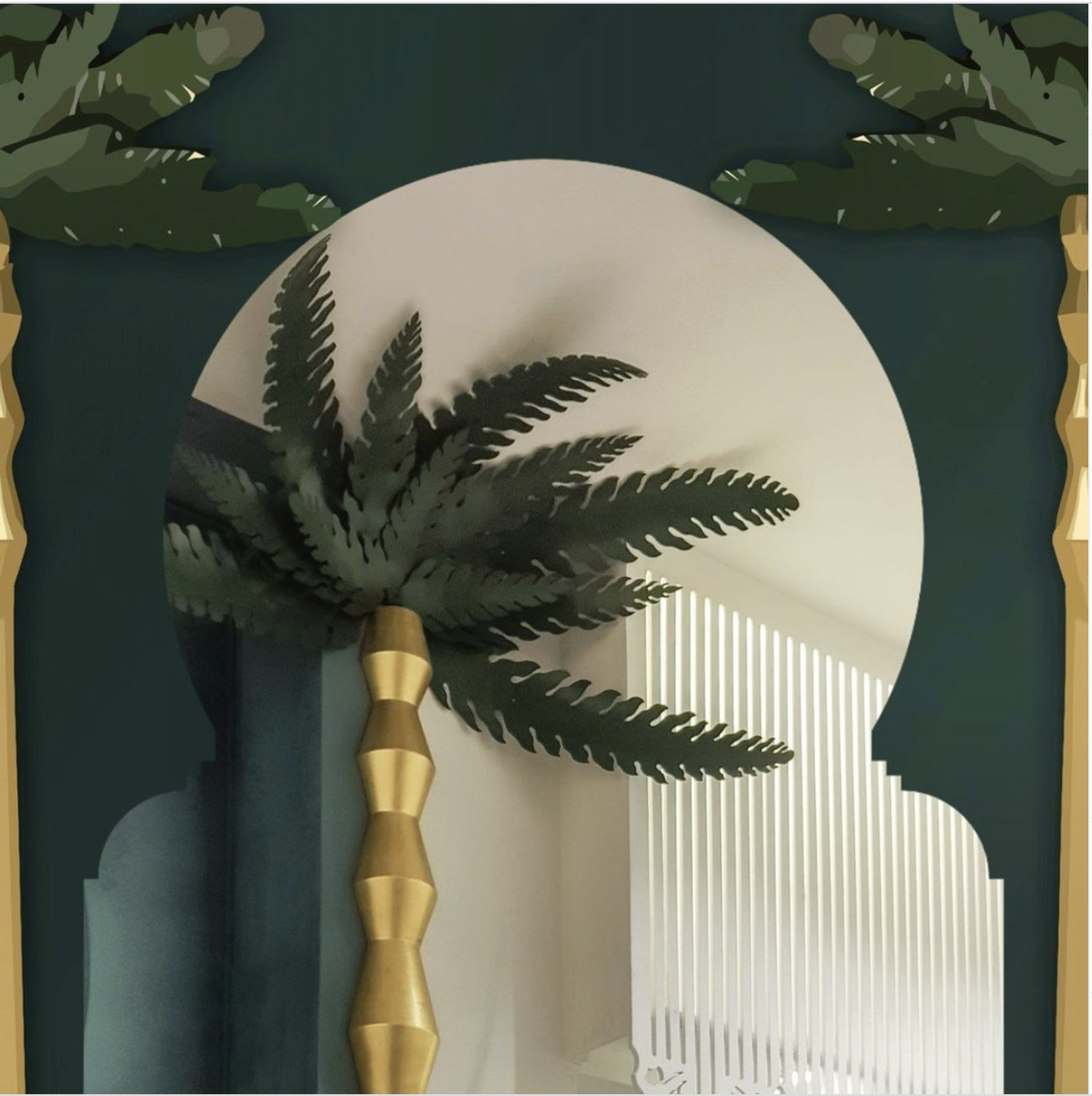
For Saira Rizwan's luxury store in Lahore established in 2019, Yousaf Shahbaz used inspiration from the Middle East and Morocco. (Photo Courtesy: STRATA)
Shahbaz’s work also includes retail spaces for fashion design powerhouses Misha Lakhani and Zara Shahjahan, two projects he counts as his favorites over the years.
A 2010 architectural graduate of National College of Arts (NCA) in Lahore, Shahbaz spent his childhood inspired by his mother, interior designer Saira Ahsan.
His family wanted him to pursue medicine, so Shahbaz ended up getting two Bachelor degrees--one to keep his family happy and as bartering grounds to pursue architecture later.
But enrolling in NCA, he said, was “the turning point” in his life.
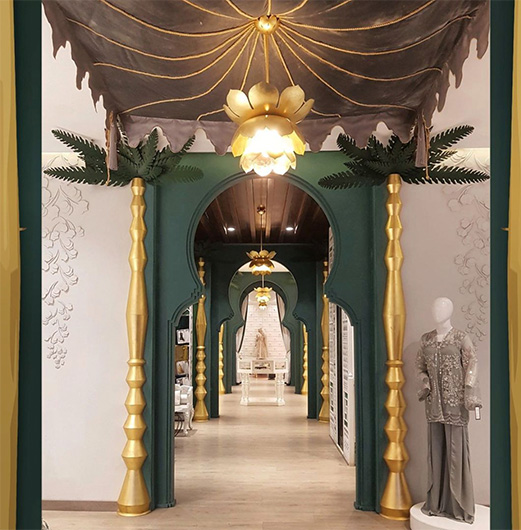
For Saira Rizwan's luxury store in Lahore established in 2019, Yousaf Shahbaz used inspiration from the Middle East and Morocco. PC: STRATA
“It was a culture shock, even having grown up and spending my entire life in Lahore,” Shahbaz said. “It was the most diverse, and one of the most liberal environments of the city.”
“I had never been in such a free, non-judgmental and creative environment where we were just encouraged to create with nobody judging us, nobody telling us: ‘You can’t do this.’”
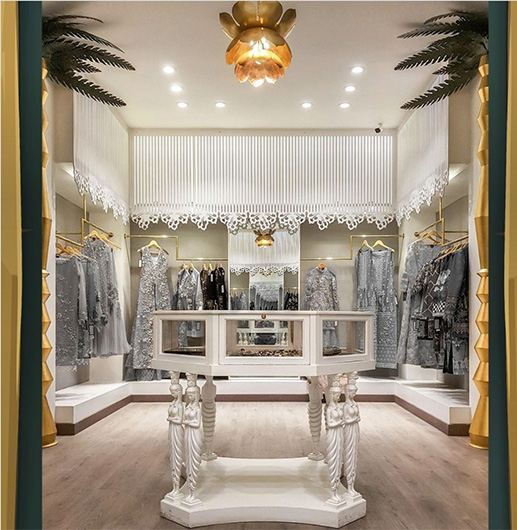
For Saira Rizwan's luxury store in Lahore established in 2019, Yousaf Shahbaz used inspiration from the Middle East and Morocco. (Photo Courtesy: STRATA)
After college, Shahbaz joined forces with his mother to create STRATA-- an architecture and design studio that has rapidly grown in popularity over the years.
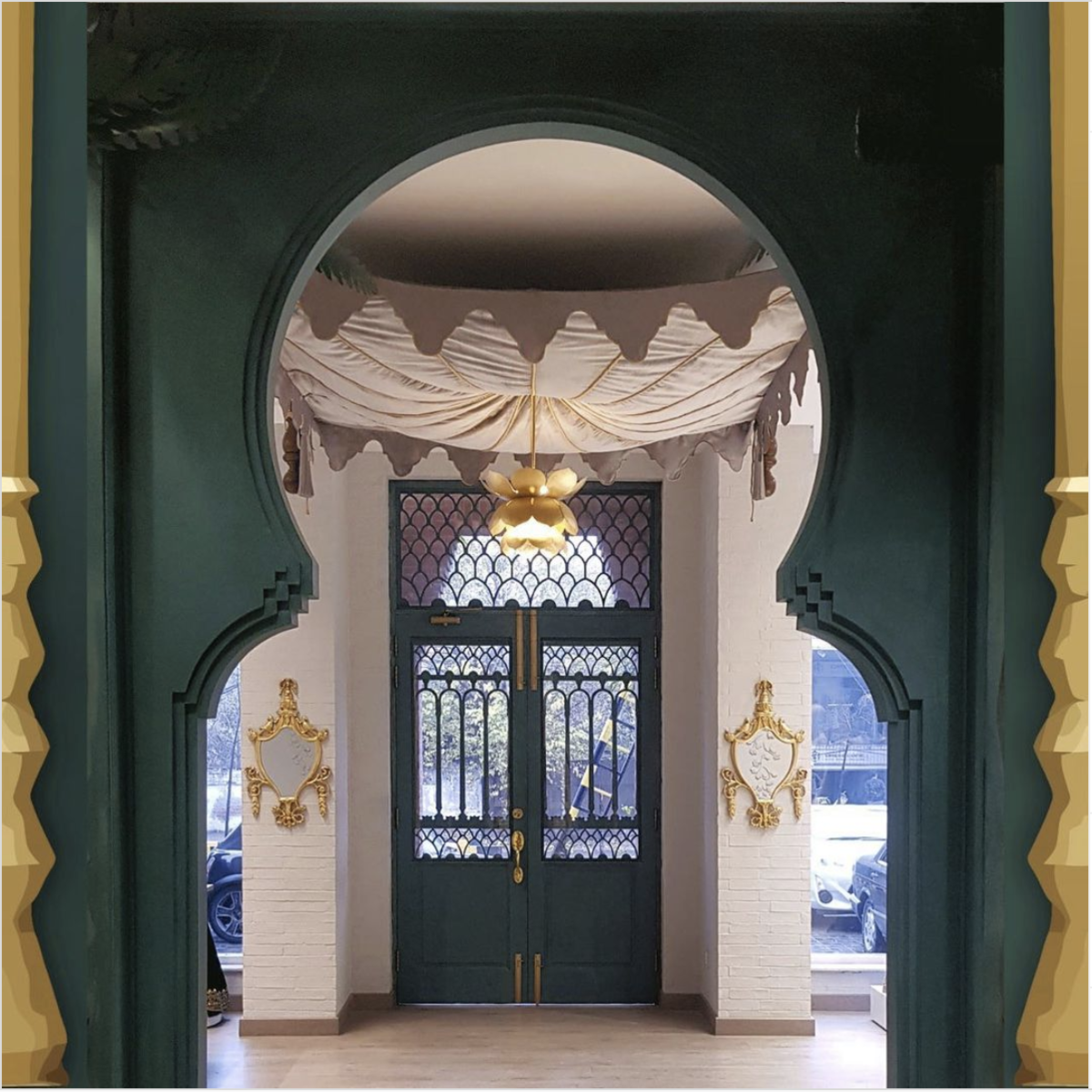
For Saira Rizwan's luxury store in Lahore established in 2019, Yousaf Shahbaz used inspiration from the Middle East and Morocco. (Photo Courtesy: STRATA)
Shahbaz’s business now boasts a diverse client portfolio, from high-end retail spaces, posh private homes and even custom furniture for a new art centric boutique hotel in Lahore.
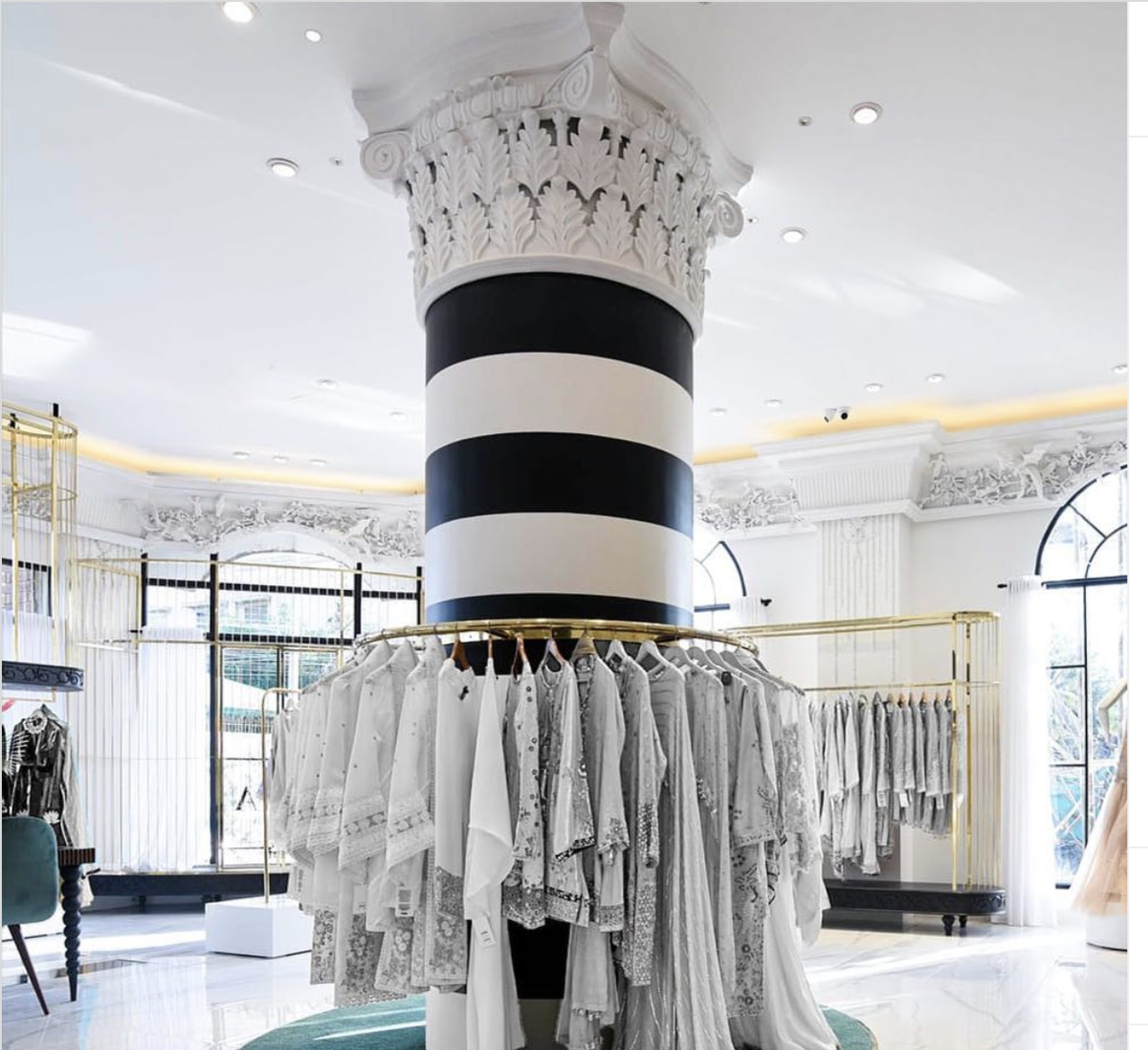
Pakistani luxury retailer Sania Maskatiya's Lahore flagship store designed by STRATA. (Photo Courtesy: STRATA)
“I want to challenge this entire notion of architects and firms having a very specific style and have always wanted to work with lots of creative people,” Shahbaz said. “All my best projects are the ones where I’ve had creative synergy and no two look the same. You know they are ours but each one was made through a blend of different synergies together.”
“That’s always the starting point.”