Ahmed Saud Ghouth has worked in investment banking, asset management, real estate, and private equity since 1999.
He is currently the chief executive officer at Alkhabeer where his responsibilities include overseeing the company’s asset management business.
Prior to holding the position of CEO, he was managing director of corporate banking and structured finance, where he was instrumental in originating and executing several key debt, real estate, and private equity transactions.
He also serves as a board member on several private and public funds managed by Alkhabeer.
Ghouth gained a bachelor’s degree in accounting from the King Fahd University of Petroleum and Minerals.
Alkhabeer Capital, an asset manager specializing in alternative investments, was recently ranked first in the “Best Workplaces for Women 2020” survey covering the financial sector in the GCC, and came second out of all companies in the global workplace culture authority’s Great Place to Work platform.
The company was selected following extensive data gathering with a focus on the Trust Index survey averages rated by female employees, consideration of female ratio in the business, and an audit of management policies and practices.
“Women in Saudi Arabia are a crucial pillar of the community and a driving force for socioeconomic progress, making strong impact through their valuable contributions across diverse fields,” said Ghouth.
He added: “We are proud to be recognized for supporting women empowerment in line with Saudi Vision 2030 as well as for our continuous efforts to champion the professional development of the female talent within our firm.”

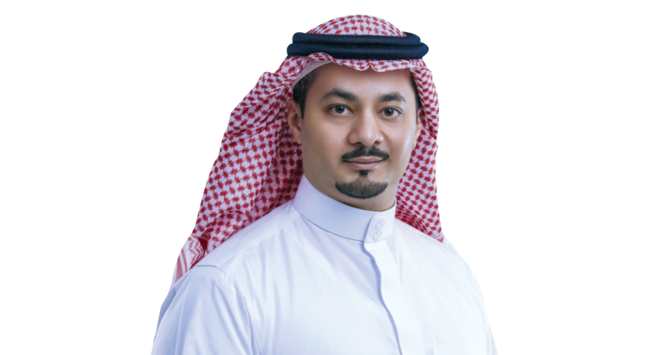
Ahmed Saud Ghouth, Saudi banker and CEO of Alkhabeer
https://arab.news/2tvf8
Ahmed Saud Ghouth, Saudi banker and CEO of Alkhabeer
Economic growth and resilience at heart of 2nd AlUla Emerging Market Economies Conference
- Event on Feb. 8 and 9 will bring together ministers, governors of central banks, policymakers, economic experts and international financial institutions
- Emerging-market economies a ‘pivotal element’ in global economic system due to effect they have on growth and stability, says Saudi Finance Minister Mohammed Al-Jadaan
RIYADH: The second annual AlUla Conference for Emerging Market Economies, which Saudi Arabia will host next week, offers a platform to exchange views on global developments and discuss policies and reforms that support inclusive growth and strengthen economic resilience, the Kingdom’s finance minister said.
The event on Feb. 8 and 9 will bring together finance ministers, governors of central banks and policymakers, alongside economic experts and representatives of international financial institutions.
Organized by the Saudi Ministry of Finance in partnership with the International Monetary Fund, it takes place as emerging-market economies face mounting challenges amid rapid global economic change.
Finance Minister Mohammed Al-Jadaan said the decision to host the conference reflects Saudi Arabia’s ongoing commitment to efforts that support global financial and economic stability, and highlights the growing influence of emerging economies on worldwide growth.
Emerging-market economies represent a “pivotal element” in the global economic system due to the direct impact they have on economic growth and stability, he added.
“The AlUla Conference for Emerging Market Economies provides a unique platform for exchanging views on global economic developments, and discussing policies and reforms that will support inclusive growth and enhance economic resilience, in light of broader international cooperation that contributes to confronting common challenges,” Al-Jadaan said.
Kristalina Georgieva, managing director of the IMF, said the event would help emerging economies deal with growing uncertainty driven by technological change, demographic shifts and geopolitical tensions.
“The AlUla conference provides a vital platform for emerging economies to discuss how they can navigate the risks and embrace the opportunities ahead,” she said.
“In these times of sweeping transformations in the global economy, policymakers face a more challenging and uncertain environment. Countries should work together to strengthen resilience through sound macroeconomic and financial policies.”