- Pakistan has no favorites in the United States and will engage anyone who wins the electoral contest, experts say
- Former diplomats say United States and Pakistan will have to work together in Afghanistan even after the withdrawal of US troops
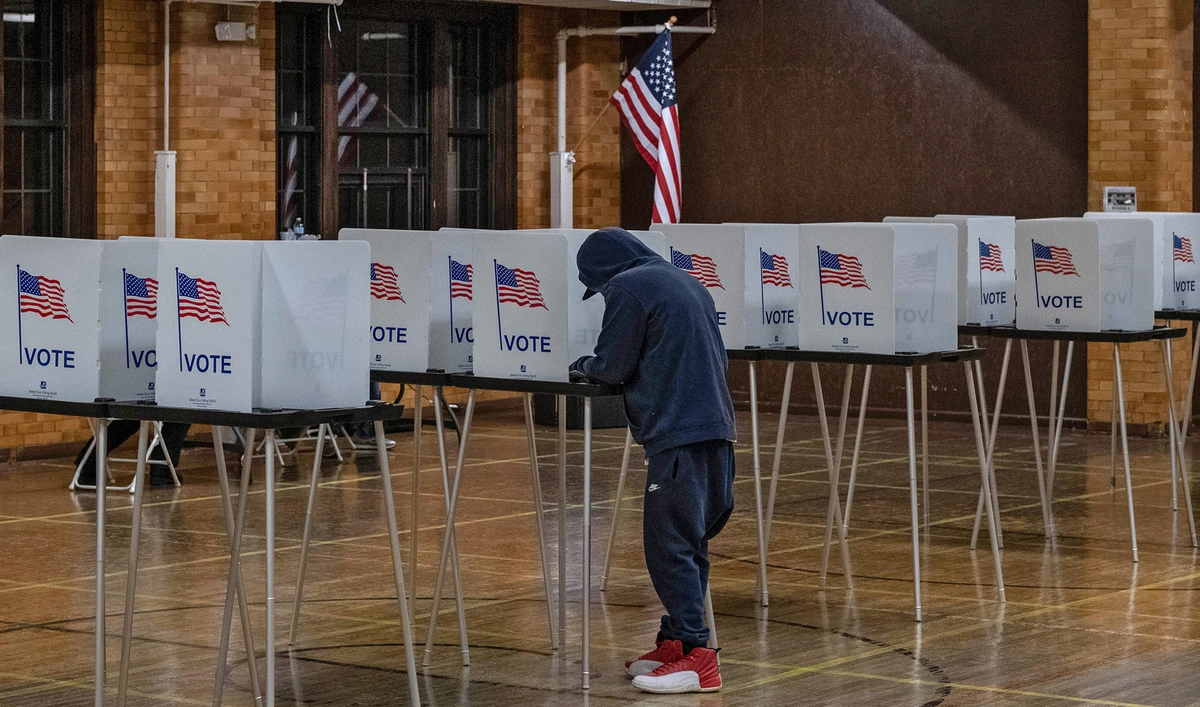
ISLAMABAD: Pakistan’s foreign office on Tuesday conveyed its best wishes to the people of the United States as they went into era-defining polls to decide who will occupy the White House for the next four years - incumbent Republican President Donald Trump or his Democratic rival, former vice president Joe Biden.
“Pakistan looks forward to working with anyone who wins today,” foreign office spokesperson Zahid Chaudhri told Arab News, adding that the election was an ‘internal matter’ of the United States but Pakistan conveyed its best wishes to the people of the country.
Pakistan Peoples Party Senator Sherry Rehman, who has previously served as ambassador to Washington, said Islamabad had never taken sides in US elections.
“Every state does business with the other,” she said. “In this election too, the expectation should pivot on a better understanding of Pakistan’s priorities and goals in the region, as well as enhancement of a more stable relationship with the United States both as government and its people.”
“The US is still among Pakistan’s top trading partners,” she added, “and can do much more to redefine and reset the relationship than Pakistan can.”
Rehman said no matter who won the US polls, Pakistan would still seek multilateral intervention from the new administration to help the people of disputed Kashmir achieve self-determination.
“I don’t see much change in the region whichever president is sworn in, except in the case of Iran where Biden may favor a return to nuclear peace deal,” she added.
Pakistan Muslim League-Nawaz lawmaker Ahsan Iqbal concurred.
“We should continue to work closely with the new American administration for peace in the region and economic development of Pakistan,” he said, adding that it was difficult to see any meaningful shift in the relationship between the two countries.However, he maintained that Pakistan could “act as a bridge between the US and China once again.”
Senior political analyst Mosharraf Zaidi described the American embrace of the “extremist rightwing Indian establishment” as problematic, adding that it would negatively impact the region regardless of who won the US election.
“It will further enhance insecurity across the region and will deepen the seeking of China’s patronage by the other countries of the region and it will further accelerate the arms buildup not just in India and Pakistan but beyond as well,” he said.
Former Pakistani diplomat Aizaz Ahmad Chaudhry, however, thought that the election outcome was going to impact the overall American outlook.
“This election will determine whether trends of narrow nationalism, xenophobia and Islamophobia will continue in the US or if there will be greater respect for human rights, human dignity and human equality,” he told Arab News.
Chaudhry agreed that South Asia would be marginally affected by the electoral contest.
“Both candidates have a shared concern about the rise of China,” he noted. “Both wish to keep India as a strategic partner to counterbalance China. The Biden administration, however, will be harder on India with respect to human rights.”
Asked about Afghanistan, he said that Pakistan had done a good job while “facilitating the peace process,” but there were “still many more stages to cover.”
“The US and Pakistan will need to work together [in Afghanistan],” he said, “even if the US decides to withdraw most of its troops.”