Oman imposes nighttime lockdown in fight against COVID-19

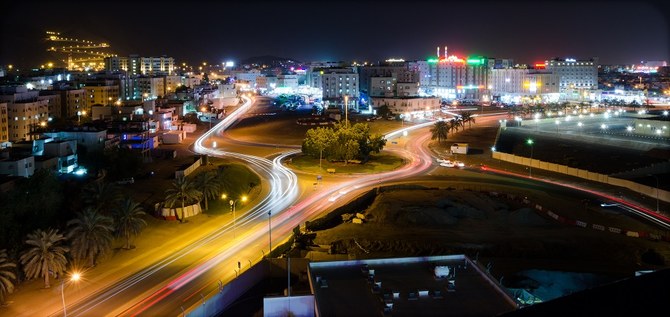
The police has called on business owners to adhere to the lockdown measures and enable employees to leave the workplace before 8p.m. (Shutterstock)
Short Url
Updated 12 October 2020
Follow

Oman imposes nighttime lockdown in fight against COVID-19

  • The Sultanate will allow movement of emergency, consumer item supply and fish transport vehicles
  • Omani police banned entry of beaches and began monitoring people’s adherence to the movement ban

DUBAI: Oman has imposed a complete nighttime lockdown as part of precaution against the coronavirus pandemic, state news agency ONA reported.
The latest measure, which took effect over the weekend and limits movement from 8p.m. until 5a.m., is in effect until Oct. 24.
The Sultanate will allow movement of emergency, consumer item supply and fish transport vehicles. It will also enable movement of oil and gas tankers and trucks carrying containers for export and import to and from the country’s ports and checkpoints.
Vehicles of medical crew, health workers at the field hospital in the old airport’s premises, passengers arriving and departing through official exit points, and patients going to hospitals and health care centers, are also exempted from movement restrictions.
Omani police also further banned entry of beaches and began monitoring people’s adherence to the movement ban.
Police authorities said that people who violate the Sultanate’s decisions will be held accountable and legal action will be taken against them.
The police has also called on business owners to adhere to the lockdown measures and enable employees to leave the workplace before 8p.m.


Iran says students have right to protest but must know ‘red lines’

Updated 57 min 51 sec ago
Follow

Iran says students have right to protest but must know ‘red lines’

  • University students in Iran started a new semester Saturday with pro- and anti-government rallies, according to local media

Tehran: University students have the right to protest but everyone must “understand the red lines,” the Iranian government’s spokeswoman said Tuesday, in the first official reaction to renewed rallies on campuses since the weekend.
“Sacred things and the flag are two examples of these red lines that we must protect and not cross or deviate from, even at the height of anger,” Fatemeh MoHajjerani said.
She said Iran’s students “have wounds in their hearts and have seen scenes that may upset and anger them; this anger is understandable.”
University students in Iran started a new semester Saturday with pro- and anti-government rallies, according to local media, reviving slogans from nationwide demonstrations that peaked in January and led to thousands of deaths.
Protests first began in December sparked by economic woes in the sanctions-hit country, but grew into nationwide demonstrations on January 8 and 9.
The US-based Human Rights Activists News Agency (HRANA) has recorded more than 7,000 deaths, while warning the full toll is likely far higher.
Iranian officials acknowledge more than 3,000 deaths, but say the violence was caused by “terrorist acts” fueled by the United States and Israel.
MoHajjerani on Tuesday said a fact-finding mission is investigating “the causes and factors” of the protests and will provide reports.