

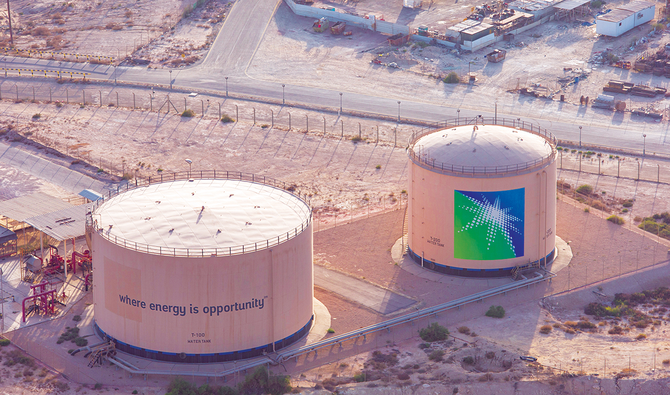
Saudi Arabia reaps rewards of gas-saving technology

Compared with other G20 nations, the Kingdom ranks fourth in terms of flaring intensity. (Supplied)
Short Url
Updated 12 October 2020
Follow

Saudi Arabia reaps rewards of gas-saving technology

  • As of 2018, the MGS gathered almost 3.5 trillion cubic feet per year and is one of the world’s largest single hydrocarbon networks

RIYADH: The Master Gas System (MGS) led to Saudi Arabia to save more than 18 billion cubic feet per day of gas in 2018 and meet growing energy demands, experts have said.

Majed Al-Suwailem, a leading researcher at the King Abdullah Petroleum Studies and Research Center (KAPSARC), said the energy-saving measures would have been impossible without the development of the Kingdom’s advanced gas technology.

“The MGS is a network of gas-gathering facilities and pipelines to capture, process and utilize gas as fuel for power generation and feedstock for the gas-based petrochemical industries in Jubail and Yanbu. Over time, the MGS has been expanded as more oil and non-associated gas fields have been placed on stream, and as demand has risen for dry gas in the power sector,” said Al-Suwailem.

“As of 2018, the MGS gathered almost 3.5 trillion cubic feet per year and is one of the world’s largest single hydrocarbon networks. It includes 4,000 km of pipelines, 50 gas oil separation plants, seven gas plants, and two natural gas liquid units,” he added.

Compared with other G20 nations, the Kingdom ranks fourth in terms of flaring intensity (a measurement of cubic feet of gas flared per barrel of oil produced), said Al-Suwailem. He added that many technologies were previously used, including zero discharge technologies at wellheads and gas flare recovery systems in facilities. His remarks are based on a commentary and study recently published by KASPARC, titled: “Saudi Arabia’s Gas Flaring Mitigation Experience.” Al-Suwailem led the study.

The report, which explores Saudi Arabia’s gas demand, domestic gas supply and natural gas trade in a global context, said the Kingdom follows Italy, France and Turkey of the G20 nations in flaring intensity rankings. The result means the Kingdom is one of the most successful countries worldwide in combating gas flaring pollution.

In the report, researchers identify four reasons why oil operators choose to flare or vent associated gas, a byproduct of oil extraction at wellheads and gathering stations, including infrastructure constraints, a lack of financial incentive to capture and process gas, poor regulatory frameworks and binding contractual rights.

KAPSARC’s report also called for other countries to learn lessons from the Kingdom’s experience in reducing gas flaring in the oil industry. Governments can exercise pressure on operators to collaborate on flaring mitigation and also provide financial incentives to capture, process, compress and transport gas to consumer markets, the report added.


Silver crosses $77 mark while gold, platinum stretch record highs

Updated 27 December 2025
Follow

Silver crosses $77 mark while gold, platinum stretch record highs

  • Spot silver touched an all-time high of $77.40 earlier today, marking a 167% year-to-date surge driven by supply deficits
  • Spot platinum rose 9.8% to $2,437.72 per ounce, while palladium surged 14 percent to $1,927.81, its highest level in over 3 years

Silver breached the $77 mark for the first time on Friday, while gold and platinum hit record highs, buoyed by expectations of US Federal Reserve rate cuts and geopolitical tensions that fueled safe-haven demand.

Spot silver jumped 7.5% to $77.30 per ounce, as of 1:53 p.m. ET (1853 GMT), after touching an all-time high of $77.40 earlier today, marking a 167% year-to-date surge driven by supply deficits, its designation ‌as a US ‌critical mineral, and strong investment inflows.

Spot gold ‌was ⁠up ​1.2% at $4,531.41 ‌per ounce, after hitting a record $4,549.71 earlier. US gold futures for February delivery settled 1.1% higher at $4,552.70.

“Expectations for further Fed easing in 2026, a weak dollar and heightened geopolitical tensions are driving volatility in thin markets. While there is some risk of profit-taking before the year-end, the trend remains strong,” said Peter Grant, vice president and senior metals strategist ⁠at Zaner Metals.

Markets are anticipating two rate cuts in 2026, with the first likely ‌around mid-year amid speculation that US President Donald ‍Trump could name a dovish ‍Fed chair, reinforcing expectations for a more accommodative monetary stance.

The US ‍dollar index was on track for a weekly decline, enhancing the appeal of dollar-priced gold for overseas buyers.

On the geopolitical front, the US carried out airstrikes against Daesh militants in northwest Nigeria, Trump said on Thursday.

“$80 in ​silver is within reach by year-end. For gold, the next objective is $4,686.61, with $5,000 likely in the first half of next ⁠year,” Grant added.

Gold remains poised for its strongest annual gain since 1979, underpinned by Fed policy easing, central bank purchases, ETF inflows, and ongoing de-dollarization trends.

On the physical demand side, gold discounts in India widened to their highest in more than six months this week as a relentless price rally curbed retail buying, while discounts in China narrowed sharply from last week’s five-year highs.

Elsewhere, spot platinum rose 9.8% to $2,437.72 per ounce, having earlier hit a record high of $2,454.12 while palladium surged 14% to $1,927.81, its highest level in more than three years.

All precious ‌metals logged weekly gains, with platinum recording its strongest weekly rise on record.