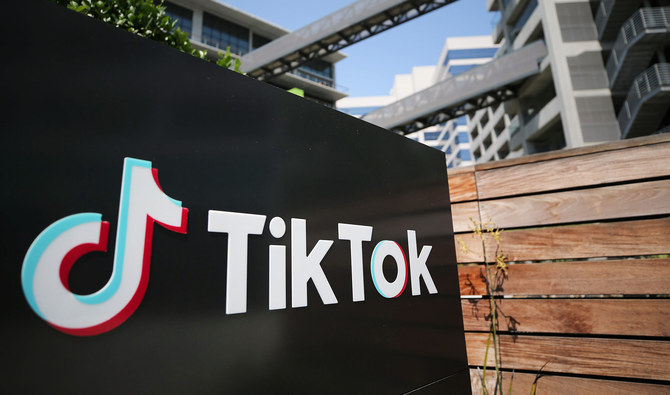
ISLAMABAD: Pakistan's telecommunications regulator, the Pakistan Telecommunication Authority (PTA), said on Friday it had banned social media app TikTok over failing to remove “immoral” content from its platform.
“In view of number of complaints from different segments of the society against immoral/indecent content on the video sharing application TikTok, Pakistan Telecommunication Authority (PTA) has issued instructions for blocking of the application,” the regulator said in a statement, adding that it had issued a final notice to the application and granted the company “considerable” time to respond and comply with the authority’s instructions to moderate content it deemed unlawful.
“However, the application failed to fully comply with the instructions, therefore, directions were issued for blocking of TikTok application in the country,” PTA said. “TikTok has been informed that the Authority is open for engagement and will review its decision subject to a satisfactory mechanism by TikTok to moderate unlawful content.”
Last month, PTA said it had asked TikTok to immediately block content deemed “vulgar” and “indecent” from being viewed in Pakistan.
In August, Pakistan blocked five dating apps, namely Tinder, Tagged, Skout, Grinder and SayHi. On July 21, PTA said it had banned the Singaporean live-streaming app Bigo over “immoral, obscene and vulgar content” and issued a last warning to Tiktok for “similar” reasons. Bigo was subsequently unbanned. The hugely popular online game PUBG also remained banned in Pakistan through July.
In September, PTA said it had approached TikTok to immediately block “objectionable content” available on its platform in Pakistan and prevent the use of its platform “for disseminating illegal content.”
“PTA has done so keeping in view the negative effects of indecent/immoral/nude content available on the platform,” PTA said in statement. “In addition, the platform has been directed to put in place an effective content monitoring and moderation mechanism to proactively remove Indecent/immoral content failing which necessary action will be taken under the law.”
PTA did not say at the time what actions it would take if TikTok did not comply with its orders.
In August, the PTA chairman attended an online meeting with senior management of TikTok and shared “growing concerns” in Pakistan over content available on the platform.
“Chairman PTA asked the platform to put in place stronger content monitoring and moderation mechanism so that the unlawful material is not accessible/viewed within Pakistan,” an August 28 statement by PTA said.
In its latest transparency report, TikTok has said Pakistan was one of five markets in the world with the largest volume of videos removed due to breach of community guidelines and terms of service.
“In the recent release of its Transparency Report, TikTok shared the global volume of videos removed for violating its Community Guidelines or Terms of Service, which showed that Pakistan is one of the five markets with the largest volume of removed videos,” the app had said in a statement. “This demonstrates TikTok’s commitment to remove any potentially harmful or inappropriate content reported in Pakistan.”


![]()

Pakistan telecoms regulator bans TikTok over failing to remove ‘immoral’ content
Short Url
https://arab.news/p6gt6
Pakistan telecoms regulator bans TikTok over failing to remove ‘immoral’ content
- Says had granted TikTok “considerable” time to comply with the authority’s instructions to moderate content deemed unlawful in Pakistan
- Last month, PTA had asked TikTok to immediately block “vulgar” and “indecent” content from being viewed in Pakistan
Latest updates



© 2026 SAUDI RESEARCH & PUBLISHING COMPANY, All Rights Reserved And subject to Terms of Use Agreement.