DUBAI: “Health and art can overlap powerfully and we firmly believe that through the power of art we can support healing, community solace and hope for the future.”
This view was expressed by Fady Jameel, president of Community Jameel International, when he chaired a special UN75 discussion on the healing power of art after trauma and conflict last month. The webinar was convened by Community Jameel and The Future is Unwritten with a special focus on a case study relating to the Yazidi people of Iraqi Kurdistan, who were the victims of Daesh’s genocide in 2014, which effectively led to the exile of surviving Yazidis.
Dr Maher Nawaf, director of Yazda UK and board member for Yazda Global, described some of the work being done to help the Yazidi people. “Thousands of Yazidi children who had been recruited to (Daesh) training camps and brainwashed have been treated and re-educated in Yazidi heritage, language and history,” he said. “Involving them in artistic activities significantly improved their mental state and behavior.”
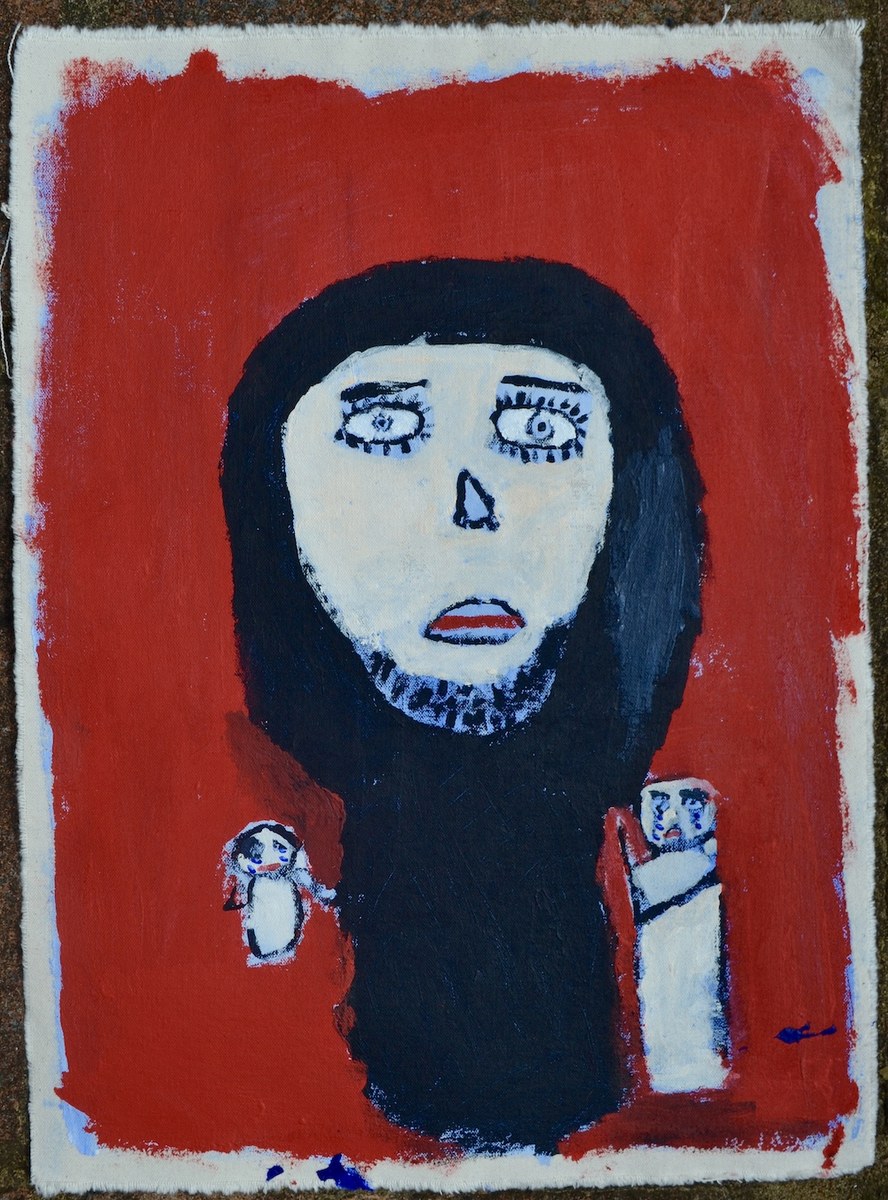
Involving Yazidi genocide survivors in artistic activities significantly improved their mental state and behavior. Supplied
English artist Hannah Rose Thomas has seen first-hand how art can help traumatized people to express their suffering in a way not always possible through words. She spoke to Arab News after the webinar to discuss her work with Yazidi women.
“Survivors of violence need to be able to feel like a person again and have a voice (after experiencing) such a profound sense of powerlessness,” Thomas told Arab News. “Art was a way for me to heal and emerge from my own experience of PTSD and sexual assault. It was such a key part of my own journey that it made me want to do these kind of projects to help other women and to give them a voice. My own experience is nothing compared to what (the Yazidi) women have been through but it does help me to have some sense of understanding of the emotional impact (such experiences) have on you.”
In 2017 Thomas travelled to Dohuk in Northern Iraq with clinical psychologist Sarah Whittaker-Howe for an art project with Yazidi women who had escaped Daesh captivity.
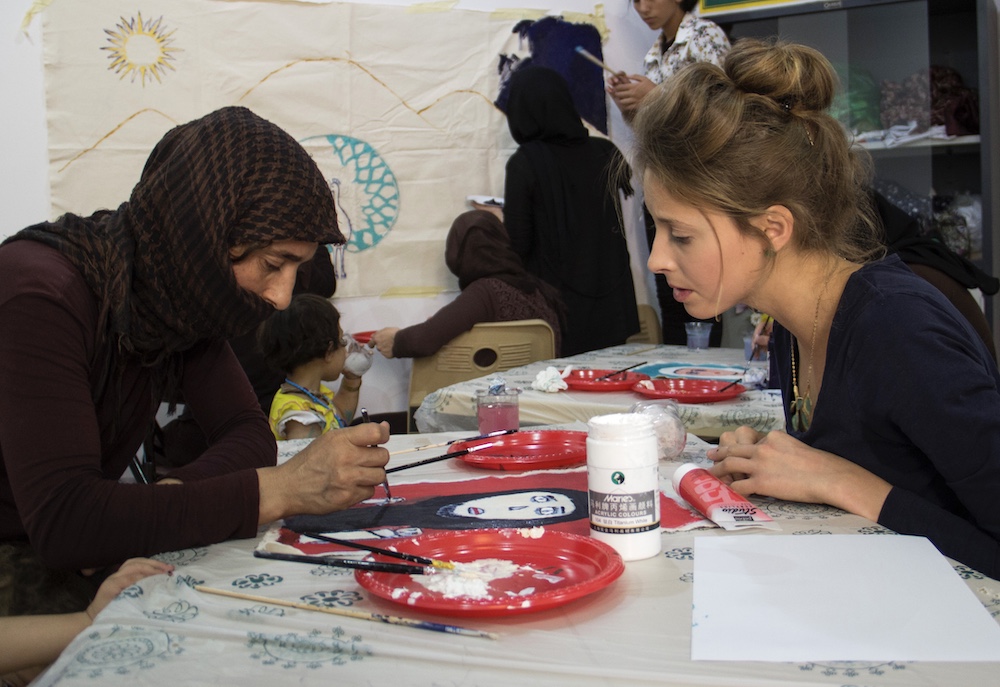
In 2017 Thomas travelled to Dohuk with a clinical psychologist for an art project with Yazidi women who had escaped Daesh captivity. Supplied
With the aim of using art as a tool for advocacy, Thomas painted portraits of some of the women she met there, which have since been exhibited in the UK. “I decided to paint the women in the style of icon paintings. The gold leaf is to convey their sacred value in spite of all they have suffered at (Daesh’s) hands. In the Western media the dominant narrative has been about sex slaves and I wanted to put across the stories that the women wanted to communicate through a different lens. When we see these women as mothers and daughters, we can connect more with their stories. I wanted to show them in the paintings as survivors — not victims. I was blown away by the resilience and determination to survive of these women and how they care for and support one another. The power of the human spirit to overcome such horrendous experiences keeps me filled with hope.”
Thomas also gave the women art classes. Their self-portraits were shown alongside her own paintings of them. Thomas recalled how one Yazidi woman called Basse described her self-portrait, set at the time of Daesh separating her from her six-year-old daughter.
Basse told Thomas: “They took her hands out of my hands, and put her into the hands of the enemy…. every day and night I imagine what Daesh are doing to her.” Basse escaped but her daughter did not.
Thomas heard many such tragic stories during her time in Dohuk. “The unimaginable experience of a mother being separated from her daughter — the agony of not knowing whether they will ever see their children again. or what is happening to them at the hands of Daesh, those nightmares keep them awake,” she said.
“The process of painting together was a way to build up trust. The idea was to create a safe space for the women to share their stories. For survivors of human-rights violations, everyday verbal language is inadequate to convey the extent of the trauma and depth of emotions they have experienced,” she explained. “The arts can give them a new form of communication to address the violence and unspeakable behavior which is too terrible to utter aloud.”