

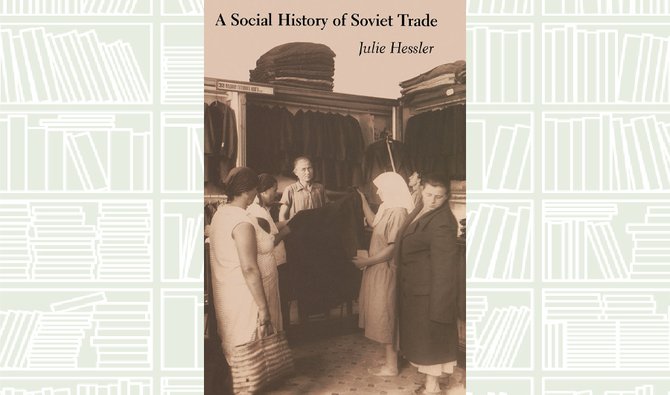

In this sweeping study, Julie Hessler traces the invention and evolution of socialist trade, the progressive constriction of private trade, and the development of consumer habits from the 1917 revolution to Stalin’s death in 1953. The book places trade and consumption in the context of debilitating economic crises. Although Soviet leaders, and above all, Stalin, identified socialism with the modernization of retailing and the elimination of most private transactions, these goals conflicted with the economic dynamics that produced shortages and with the government’s bureaucratic, repressive, and socially discriminatory political culture.
A Social History of Soviet Trade explores the relationship of trade — official and unofficial — to the cyclical pattern of crisis and normalization that resulted from these tensions. It also provides a singularly detailed look at private shops during the years of the New Economic Policy, and at the remnants of private trade, mostly concentrated at the outdoor bazaars, in subsequent years.
Drawing on newly opened archives in Moscow and several provinces, this richly documented work offers a new perspective on the social, economic, and political history of the formative decades of the USSR.


