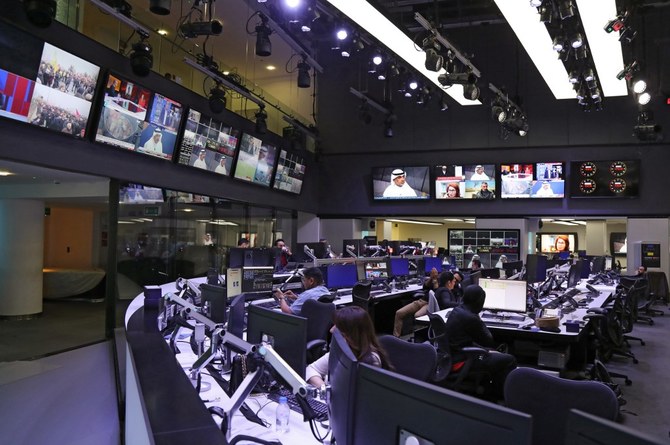

DUBAI/LONDON: State-owned Al-Jazeera and other Qatari and Turkish-funded channels have been accused for their pro-Muslim Brotherhood bias after airing videos of staged protests in Egypt, ignoring the required vetting process for the materials before using them.
Al-Jazeera, Mekameleen, Al-Sharq and the Rassd news outlets are known for their hostile reporting on the present Egyptian government, Egypt Today reported, especially in the aftermath of Muslim Brotherhood being declared a terrorist organization and right after its leader Mohammed Morsi was ousted from power.
“All Egyptian intelligence agencies are monitoring all their (Muslim Brotherhood) plans targeting the people’s collective awareness to cause discord between the public and the trustworthy national leadership,” Brig. Gen. Mohammed Noureddine, former assistant to the Egyptian minister of interior and a security expert, told Arab News.
“The Egyptian National Police is well aware of the attempts to exhaust it and repeat the January 2011 scenarios by setting various appointments of what they call (Friday of anger against the regime), to exert psychological pressure on police personnel, officers, and recruits, in addition to all agencies in charge of confronting riots and hostile plans against the people’s assets and its symbols.”
The staged protests were filmed by United Company for Media Services led by Tamer Morsy, an Egyptian businessman and media producer, and were sent on purpose to the channels to test the degree of their professionalism, the report said.
Al-Jazeera’s decision to publish the video, allegedly without checking the source or treating the video with skepticism and citing unknown sources, shocked TV presenters and public figures in Egypt, the report added.
A special episode on Extra News channel presented by Youm7 editor-in-chief Khaled Salah and TV presenter Youssef Al-Hosseini showed how the purported protest actions Giza’s Nazlet El-Semman village were filmed.
The special episode showed a number of young pseudo-protesters at the Media Production City in Giza receiving instructions from director, before cameras rolled and they started to chant against the Egyptian state as part of a scene.
TV presenter Amr Adib has also called on Al-Jazeera to publish an apology for publishing a fake video without verification, and referred the Qatari channel’s similar missteps.
Al-Jazeera earlier this month published an old video, taken in 2013, and claimed that dozens of people were protesting against President Abdel Fattah El-Sisi. The fabricated video went viral on pro-Muslim Brotherhood trolls’ social media accounts.
Egypt Today in a separate report said that the Muslim Brotherhood are allegedly targeting children as new recruits to their group, with the leadership reviving the Young Lions committee specifically for the purpose.
“The Young Lions committee will outline a whole pedagogic program that targets children and teenagers at schools, clubs and youth centers to once again engrave extremist ideas in the minds of a generation in a secret fashion and without revealing their name,” the report said.