



MUMBAI: An organic farm started by Sharjah-based Professor Anu Ranade has become a testbed to examine different plants and how they react to severe weather conditions in the UAE — and the green-fingered faculty member has even taken to feeding friends and neighbors with her home-grown goods.
Ranade has grown and harvested more than 40 varieties of tomatoes, in addition to numerous crops in the community farming area, such as cabbage, ginger, mustard, turmeric and mangoes to name a few.
Her farming story began in 2009, when she started missing her hometown and the joys of gardening due to the lack of outdoor space in her apartment in Ajman.
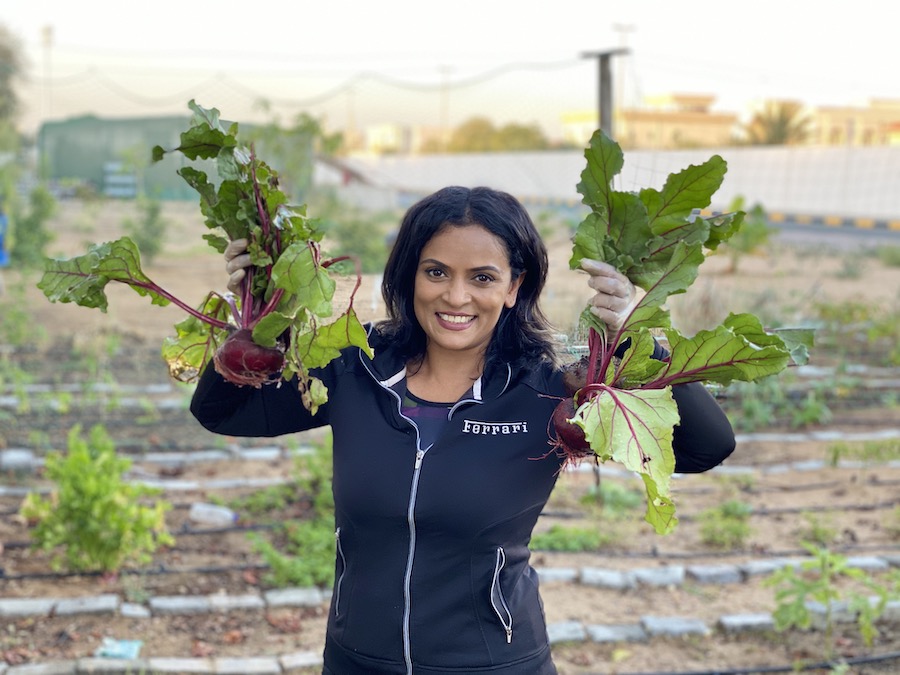
Sharjah-based Professor's farming story started in 2009. Supplied
Not one to be held back, she set out to find ways to pursue gardening in complex settings and weather conditions. She built a small oasis using containers, trellises, vertical and railing planters and started growing plants such as aloe vera, tomatoes, curry leaves, mint, Indian basil and string beans on her balcony.
After landing a job as an Assistant Professor at the University of Sharjah, she moved to a new apartment in Sharjah with enough balcony space to grow a number of plants.
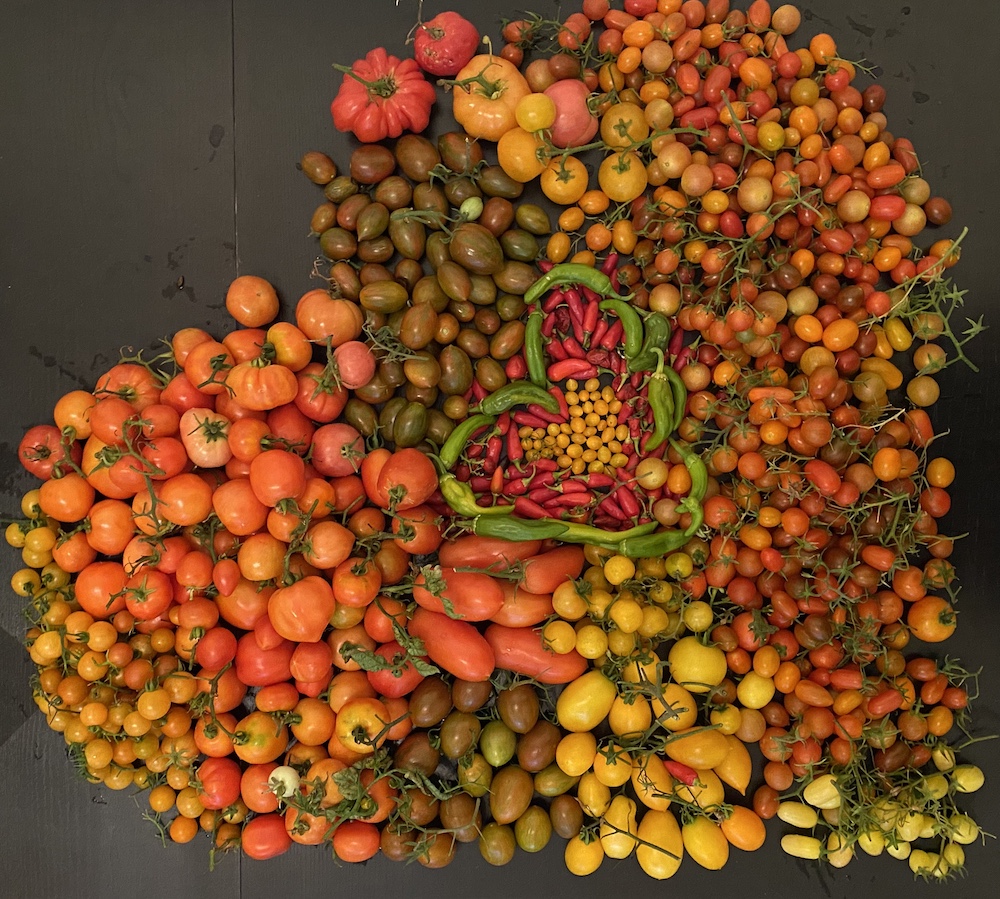
Not one to be held back, she set out to find ways to pursue gardening in complex settings and weather conditions. Supplied
“I started growing several more kinds of vegetables and fruit on the balcony that even inspired my neighbors and friends. In 2019, I grew eight different varieties of tomatoes in the balcony, which yielded more than 20 kg. What started as a hobby slowly turned into an obsession and inspired me to try my hands-on terrace gardening. Luckily, my husband is also extremely passionate about gardening. Together as a team, we used all the extra space available on the terrace of our apartment above the 21st floor.”
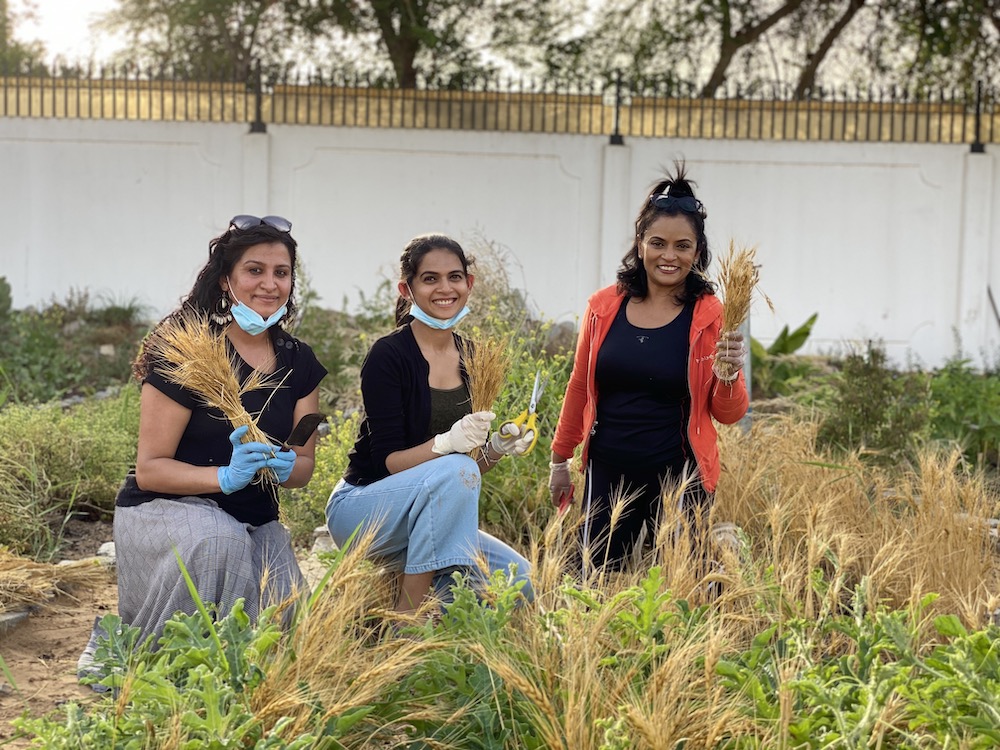
She built a small oasis using containers, trellises, vertical and railing planters. Supplied
They recycled wooden planks, car tires, refrigerator racks and milk cans and created raised beds to grow more than 50 different types of nutritious fruits and veggies, some of which you may not even see in a local grocery store.
Last summer, the Department of Sustainability at the University of Sharjah offered to support her by building a 225 square meter plot in addition to allowing some open space inside the campus for community farming.
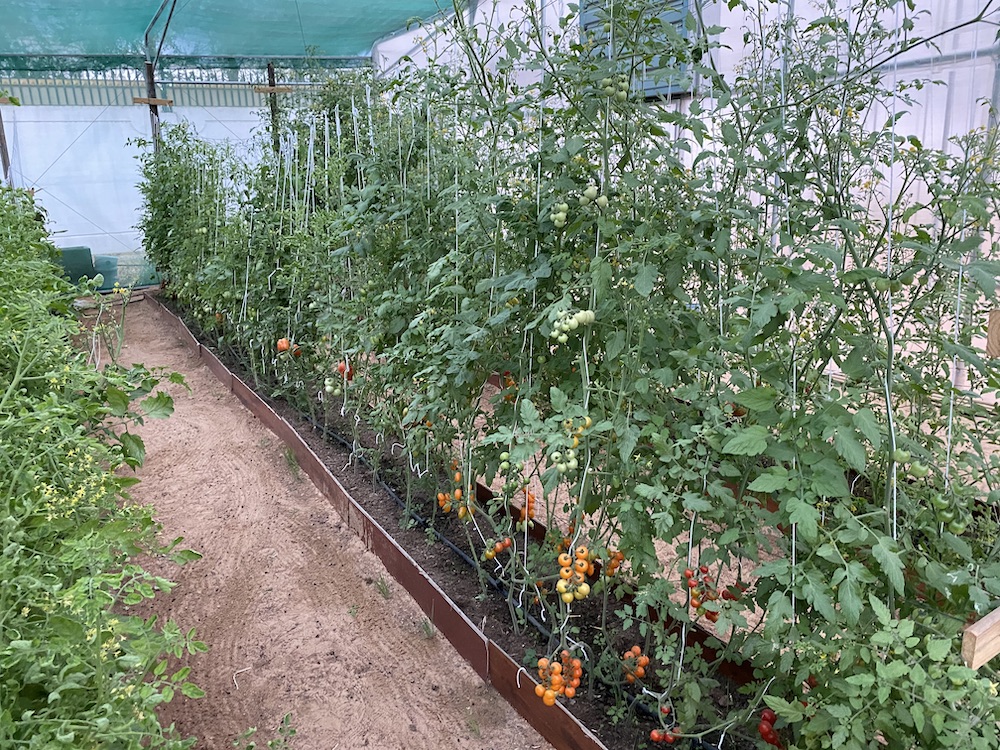
The Department of Sustainability at the University of Sharjah offered to support her. Supplied
A small part of the harvest that is unsuitable for consumption always goes to composting, as the couple actively follow a zero food waste at home rule. She has also set up a community composting center at the College of Medicine where she is currently working, “In eight months, I have produced more than 700kg of compost and fed it to my plants. Otherwise, all of this kitchen waste would simply end up in the landfill,” Ranade said.


