- 43 percent of Pakistani consumers surveyed by Visa have reduced in-store shopping since the virus outbreak
- Pandemic has forced more people to use cards and contactless payments due to movement restrictions and lockdowns
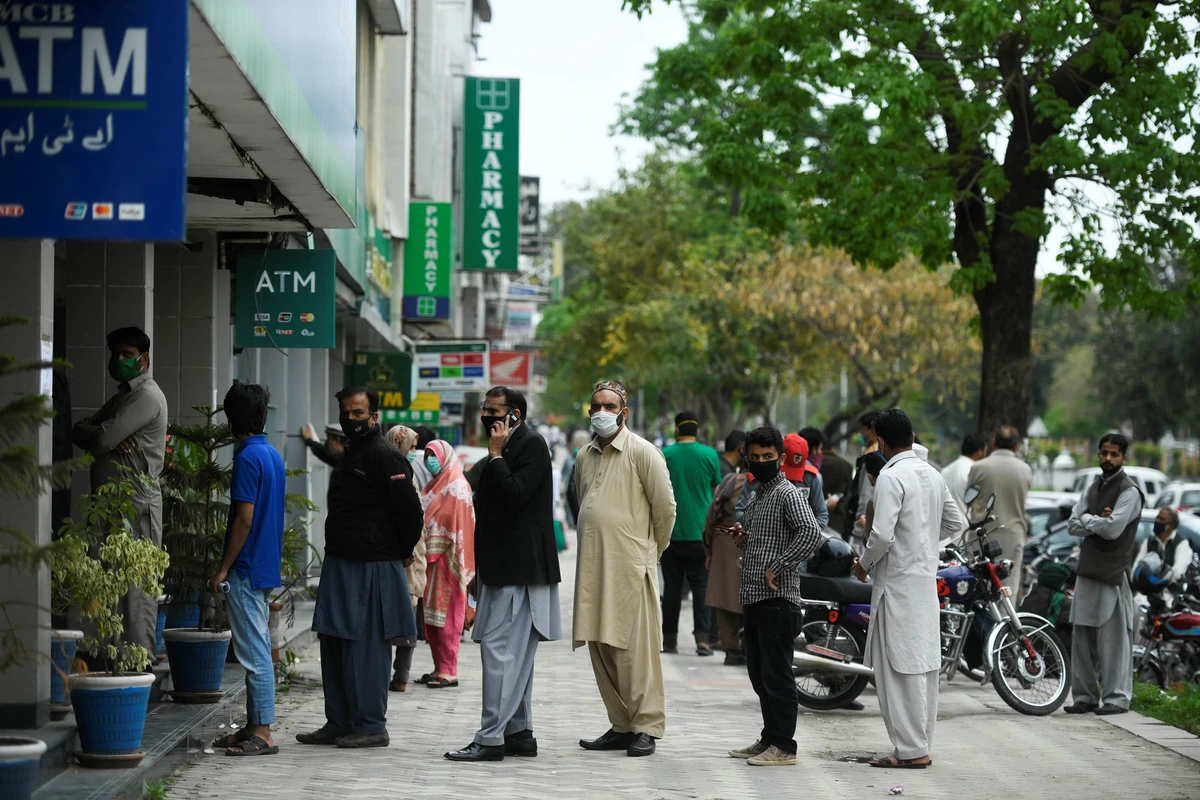
KARACHI: The coronavirus pandemic is accelerating Pakistan’s shift toward a cashless future as more people have been forced to overcome the fear of using digital payment methods, senior bankers said on Wednesday after a survey showed a significant rise in online shopping.
The survey by financial giant Visa on the impact of the COVID-19 pandemic on payment behavior in Pakistan revealed on Monday that 43 percent of consumers have reduced in-store shopping since the virus outbreak, while for their e-commerce purchases more than half (55 percent) were using cards instead of cash on delivery (COD).
“When the consumers started using technological platforms for the payment during the pandemic, they realized that it is easy and secured way of making transaction,” Syed Ibne Hassan, vice president of National Bank of Pakistan, told Arab News. “The fear related to the use of technology has subsided now and consumers are more familiar (with it).”
Pakistan’s economy has been dominated by cash as this payment method is considered safe by both buyers and sellers. Most wages and salaries are paid in cash as well. The pandemic, however, has forced more people to use cards and contactless payments due to movement restrictions and lockdowns following the outbreak. People also not want to have to touch cash and risk contracting the virus.
The Visa survey showed that 55 percent of online shoppers expressed their willingness to continue to make more purchases online, and 49 percent said they will continue to opt more for paying with card over COD. For in-store purchases, 56% of consumers say they will continue to use QR code payments with their mobile phones more.
“This trend accelerated during the COVID-19 pandemic. For perspective, at Habib Bank Limited (HBL), digital transactions on HBL Mobile and Internet banking have risen by almost 90 percent compared with the same period last year. This growth proves that COVID-19 fueled a rise in digital payments in Pakistan,” Sagheer Mufti, chief operating officer at HBL, told Arab News.
Pakistan’s central bank expects that migration to electronic means will boost the country’s gross domestic product (GDP) by 7 percent, create 4 million jobs, and result in $263 billion in new deposits — representing a potential market of $36 billion by 2025.
With increased usage of digital payments, however, rises the probability of cyberattacks.
“With increased usage both among experienced and first-time users, cybercriminals too are keen to capitalize on the increased activity and vulnerability, especially of first-time online shoppers,” Neil Fernandes, Visa’s head of risk for the Middle East and North Africa, said.
“That is why educating consumers about safe payment behavior is critical not only for the moment but as we move forward and adapt to the new normal.”