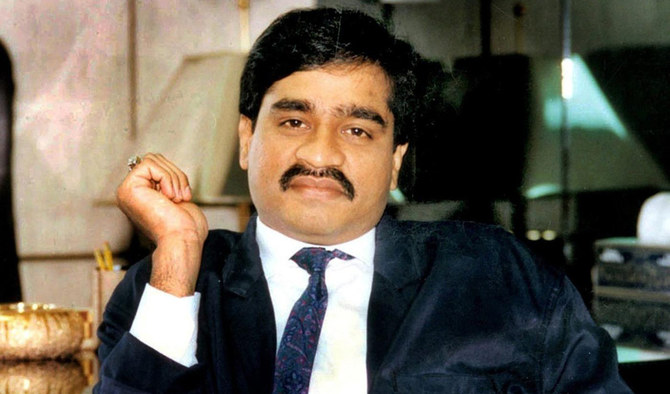
KARACHI: Pakistan has strongly denied the presence on its soil of a notorious Interpol-wanted Indian criminal, Dawood Ibrahim, after the Indian media spotted the gangster’s name on a recent list by the Pakistani Foreign Office of individuals whose assets have been frozen over terrorism links.
Ibrahim has led an organized crime syndicate in Mumbai, India, and is also wanted for ordering a series of bomb explosions that took place in the city in 1993. His name and address in the Pakistani metropolis of Karachi appeared on the statutory notification (SRO) issued by Pakistan on Aug. 18 in a move to avoid the country’s blacklisting by the Financial Action Task Force (FATF), which monitors money laundering and tracks activities of terrorist groups.
“The assertions, made by some sections of the Indian media, as to Pakistan admitting to the presence of certain listed individuals on its territory, based on the information contained in the SRO, are baseless and misleading,” the Foreign Office said in statement on Saturday evening, in response to the Indian press reports.
The statement said the information contained in the SRO was reproduced from the United Nations Security Council’s lists on sanctioned individuals belonging to terrorist groups, which also mention the names of persons who are already dead.
On Sunday, Indian media reported that Pakistan had admitted Ibrahim’s presence on its soil after the SRO mentioned three residential addresses of the gangster in Karachi. The addresses, which could not be independently verified, were first reported in a story by freelance journalist Ghulam Husnain in the Newsline magazine’s September 2001 issue. The same article later became grounds for India to claim that the criminal was living in Pakistan. Interpol issued an arrest warrant for Ibrahim in April 2006.
Ibrahim’s addresses were published on the Pakistani Foreign Office’s website already in November last year.
On June 26, Indian media outlets reported that Ibrahim had died of the coronavirus.


![]()

Pakistan denies presence of Interpol-wanted Indian gangster in Karachi
Short Url
https://arab.news/62msa
Pakistan denies presence of Interpol-wanted Indian gangster in Karachi
- Dawood Ibrahim is wanted for leading an organized crime syndicate and ordering a series of bomb explosions that took place in Mumbai in 1993
- Indian media reported that Pakistan had admitted Ibrahim’s presence on its soil after a statutory notification mentioned his three addresses in Karachi
Latest updates


© 2026 SAUDI RESEARCH & PUBLISHING COMPANY, All Rights Reserved And subject to Terms of Use Agreement.