PESHAWAR: The newly established Child Protection Court in Mohmand tribal district has received encouraging response from the community, a senior lawyer told Arab News on Wednesday, adding that three cases were filed only a day after its inauguration on August 8.
“The people of the tribal areas remained deprived of a proper judicial system for decades,” Raza Khan Sufi, general secretary of the Mohmand Bar Association, said while making a reference to the colonial-era laws that were used in the tribal territories until their recent mainstreaming by the Pakistani authorities. “Little attention was also paid to protect children from violence and abuse. It is important to set up similar courts in other tribal districts as well.”
Mohmand’s Child Protection Court was established in the beginning of this month following the provincial cabinet’s approval last year to provide speedy justice under the Khyber Pakhtunkhwa Child Protection and Welfare Act, 2010, and Juvenile Justice System Act, 2018.
Zubair Hussain, a protocol officer at the Peshawar High Court (PHC), said similar legal infrastructure would soon be set up in other tribal districts as well.
“Three criminal cases involving children were brought to the court on the next day of its inauguration,” President Mohmand Bar Association Gul Rehman said, adding that the facility would ensure the welfare of children while dealing with issues like legal custody of neglected and destitute children.
Habib-ur-Rehman, a tribal elder, told Arab News that one of his close neighbors, Jan Saeed, was imprisoned for kidnapping and selling his (Rehman’s) three-year-old nephew.
“He confessed to the crime and said that he had sold my nephew for Rs 250,000. However, we could not find him anywhere. My case will now be taken up by the Child Protection Court, hopefully on a priority basis,” he said.
Huma Khan, monitoring and evaluation coordinator at the Acid Survivors Foundation, told Arab News that the establishment of the court would reduce overcrowding in prison and avoid secondary victimization of children during investigation, trial, and post-trial phases.
“It is likely to contribute to improved rule of law and increased public trust in the judicial and state institutions, fostering greater sense of security, social cohesion and better governance,” she added.
During the inauguration of the court, PHC Registrar Khawaja Wajihuddin told the media that similar courts had already been established in Peshawar, Mardan and Abbottabad.
The three courts, he added, had disposed of 1,140 cases since becoming functional.
“The Child Protection Court can minimize the scale of crime against children if speedy justice is delivered,” said the general secretary of the Mohmand Bar Association. “The facility has a good environment which will not be too burdensome for children.”


![]()

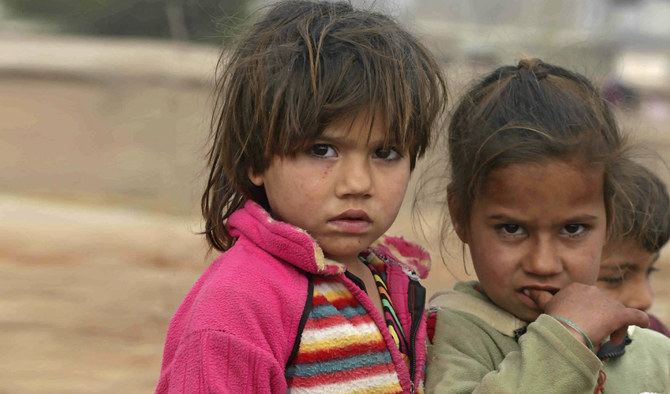
Mohmand's new child protection court begins to receive cases
Short Url
https://arab.news/jz5mq
Mohmand's new child protection court begins to receive cases
- The country’s tribal areas did not have a proper judicial system until recently and were governed under colonial-era laws
- Experts say the new court will help avoid secondary victimization of children during investigation, trial, and post-trial phases
Latest updates


© 2026 SAUDI RESEARCH & PUBLISHING COMPANY, All Rights Reserved And subject to Terms of Use Agreement.