

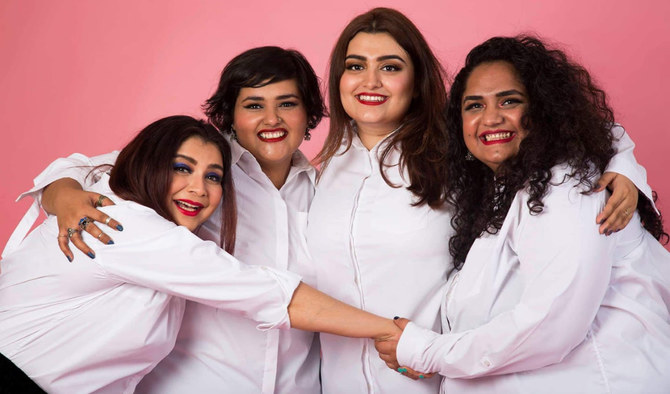

RAWALPINDI: In a new wave of Pakistani feminism, fashion brands are embracing “body positive” initiatives that encourage women to celebrate their appearance and push back against unrealistic pressures to look perfect, often driven by airbrushed images on social media.
Among these brands are Lulusar and Inclusivitee who have embraced a global social movement called BoPo, short for “body positive,” which advocates the acceptance of all bodies regardless of physical ability, size, gender, race, or appearance, and challenges beauty stereotypes that rights activists say fuel low self-esteem and eating disorders.
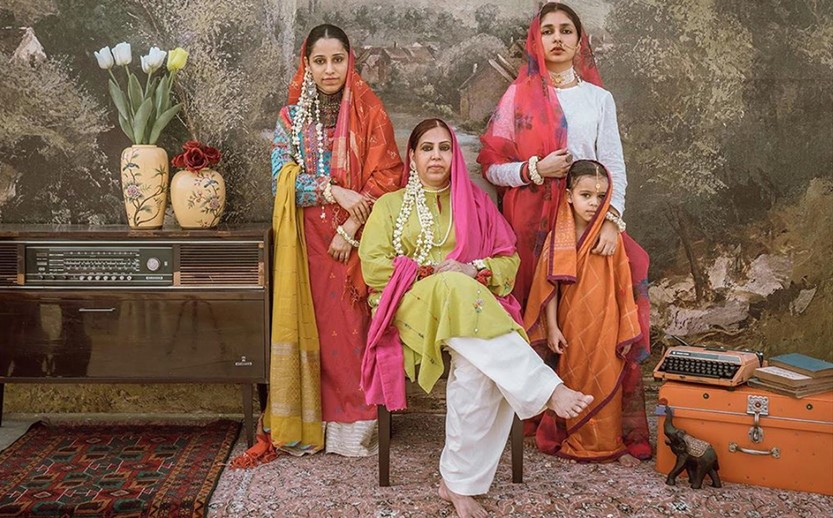
Different sized models pose for Pakistani fashion house Generation's 2019 wedding campaign in Lahore, Pakistan on November 25, 2019. (Photo courtesy: Generation Instagram)
A search for the hashtag #bodypositivity on Instagram generates over five million results. Two Instagram polls conducted by Arab News Pakistan showed that 98% of people polled said they had been body shamed and 98.4% agreed that body shaming was rampant in Pakistan. Of those polled, most said they had first been shamed between the ages of 4 and 10, and for a large majority the shaming began at home.
“We all get shamed; I consistently get comments about how I’m too skinny, a bag of bones,” said Aisha Latif, one half of the brand Inclusivitee, which she founded with her sister Rabeeya Latif. “We want people to feel proud of who they are, what they look like, and own it — that should be the norm.”
Inclusivitee has abandoned gender and size in the clothes they produce, aiming instead to create pieces that fit a wider group of people.
“We created a measurement that would be an average of all shapes and after multiple fittings, we found a fit that each member of my family could wear,” Rabeeya said.
Last week body-shaming became a trending topic on Pakistani social media when popular actor Agha Ali said in a morning show that the one thing he asked his now wife actress Hina Altaf before they got married was, “please don’t get fat.”
Zohair Abbas Khan, who handles marketing at Lulusar said it was precisely these types of stereotypes that the brand wanted to challenge by adding plus-sized clothing to its lines.
“No one should be made to feel that a brand is not for them, that’s been our message from the start,” Khan said. Two collections by the brand, launched in collaboration with plus-sized comedian and actor Faiza Saleem, have been “immensely successful,” he added.
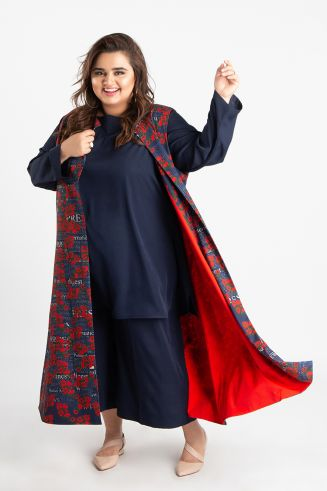
In this undated photo, plus-sized comedian and actress Faiza Saleem poses for a photo for a 'body positive' fashion line for Pakistani brand Lulusar (Photo courtesy:Lulusar)
Artist and social media activist Baemisaal, who only wanted to be referred to by her Instagram name due to security concerns, is among a growing number of people trying to act as counterweights to the millions of social media posts showing traditional models and stereotypical bodies.

Artist Baemisaal embraces speaking about body positivity and shaming, Generation casts her as a model in their winter 2010/2020 campaign shot in Lahore on Jan. 22, 2020. (Photo courtesy: @generation_pk/Instagram)
“Body shaming is prominent, rampant, and not ending anytime soon,” she said in an interview. “But day by day perhaps a little ripple is made; it helps to be vocal.”
“People made me their poster girl for someone who is confident ‘even if she’s fat,’ which was very strange to me because I was simply existing,” Baemisaal said.
However, she said it was empowering to learn that she was an inspiration to others fighting body shaming and fatphobia and pushing for size acceptance or the rights of all people to not be judged for weighing as much or as little as they wanted.
“I started getting messages where people were appreciating me talking about body shaming,” said Baemisaal. “There is a power there and if I have the chance to speak about it, then why not?”


