Pakistani skin and haircare brands bet on organic ingredients and traditional recipes

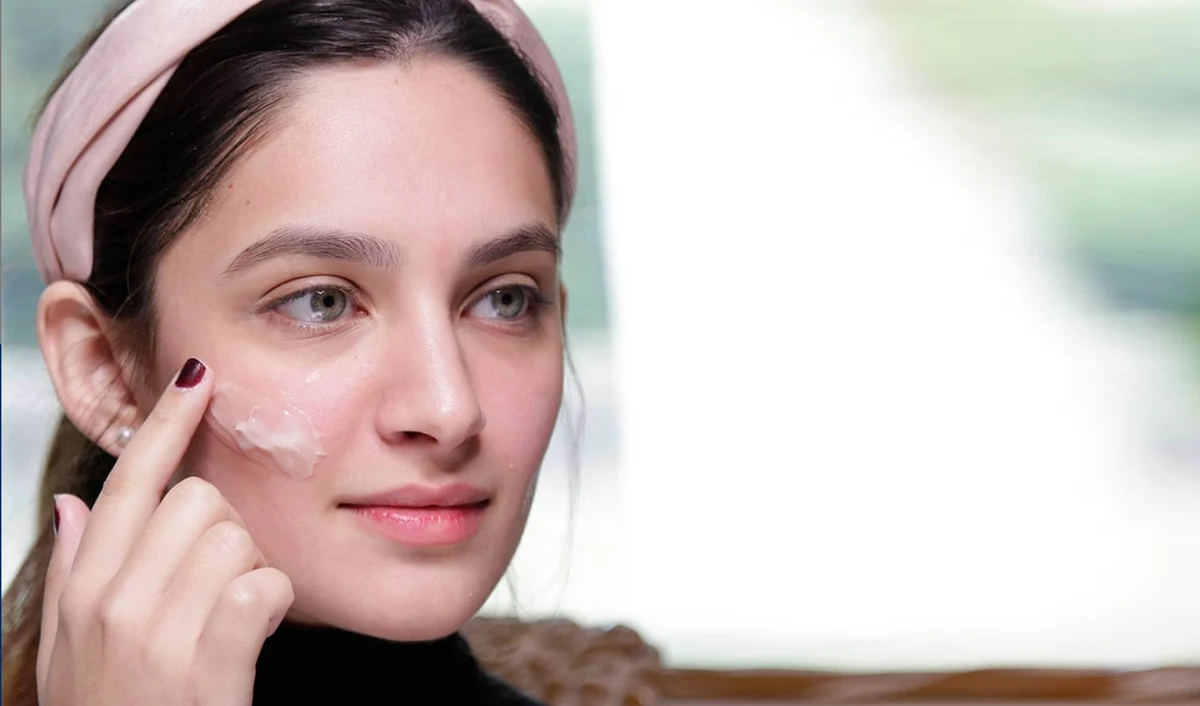
Beauty blogger Areesha Kamran applies Conatural’s Essential Day Cream from the company’s line of certified organic skin products in Lahore, Pakistan on July 11, 2020. (Conatural)
Short Url
Updated 14 July 2020
Follow

Pakistani skin and haircare brands bet on organic ingredients and traditional recipes

  • A growing number of companies are addressing hair and skin concerns using products available in the average South Asian pantry
  • Notable companies include Zo’Nanos, Calm & Balm, Aura and Conatural

RAWALPINDI: When Zoha Naqvi was living in the United Kingdom as a university student, she said she was consistently bothered by the ‘Asian-ification’ of Western skin and haircare brands.
In 2017, just months after returning to Pakistan, Naqvi launched Zo’Nanos, a Karachi-based haircare company whose unique selling point is creating oils using recipes passed down in Naqvi’s mother’s family over generations.
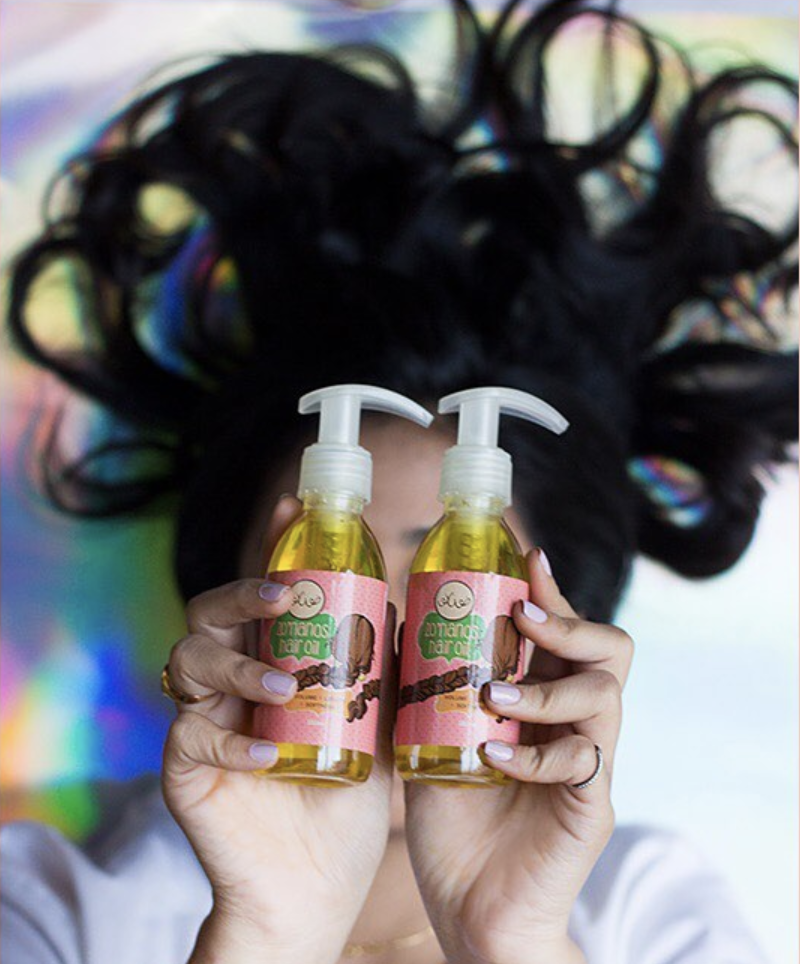


The name Zo’Nano combines founder Zoha Naqvi’s first name with ‘nano,’ the Urdu word for grandmother. In this photo, Zoha Naqvi poses with bottles of her grandmother’s hair oil in Karachi, Pakistan on May, 16 2020. (Zonanos)

“It would bother me that our recipes ... were being Westernized and sold at places like Lush,” Naqvi told Arab News over the phone, referring to the UK cosmetics maker and retailer. “They were capitalizing on desi totkas by giving them palatable repackaging.”
“Totkas” are concocted at-home methods or recipes for addressing hair, skin, and sometimes even health problems using products available in the average South Asian pantry, explained Naqvi, who launched Zo’Nanos “to find a way to celebrate the culture and the knowledge that we hold as South Asians.” 
“Our totkas with a modern twist,” is how she described her company, adding: “We were able to communicate with our audience that we are a modern brand but one that is rooted in being Pakistani, recognizable and familiar.”
Indeed, Zo’Nanos is just one among a growing number of Pakistani brands who are betting on locally produced ingredients and traditional techniques to make their mark. 
“It is the backbone of any company these days,” said Rema Taseer, the co-founder of organic beauty and wellness brand Conatural, talking about the use of traditional methods and organic ingredients in skin and haircare. “We use it to interact and start a relationship with our customers.”
“There was a lack of trust in local products,” Taseer said. “There weren’t proper, natural, and all-certified organic companies in Pakistan providing beauty solutions; they were all chemical-based. It felt important to create one ourselves.” 
Taseer, and her partner Myra Qureshi Jahangir, say they also wanted to use their brand to fight the obsession South Asians, and Pakistanis in particular, have with fair skin. 
Skin lightening cosmetics have a huge market in South Asia, but their promotion is being questioned, especially in the wake of the Black Lives Matter movement in the United States. 
“The beauty business here is full of whitening creams. I felt someone actually had to voice against that and state that there is beauty beyond color ... we wanted to be the first ones to step up,” Taseer said. 
According to a study conducted by Zion Market Research, the whitening cream industry was valued at over $4 billion in 2017 and estimated to cross $9 billion by 2024.
“I highly discourage fairness products and will never make anything related to fairness,” said Bakhtawar Rehman, who co-founded Calm & Balm, a sustainable and organic beauty line, with her husband in 2019.
Since she was a child, Rehman said she had been mixing oils and creating ‘do it yourself’ beauty treatments using organic ingredients, which had led her to perfect the recipes she now uses for Calm & Balm products, which are certified organic and promote environmental sustainability.
But in a market like Pakistan, maintaining global standards for nature beauty products has proved difficult. 
“Local vendors have certain working methodologies that are not easy to change so you have to work and communicate with them the way they want while meeting your demand,” Rehman said. 
Fatima Khan, founder and owner of natural skin company Aura, concurred. 
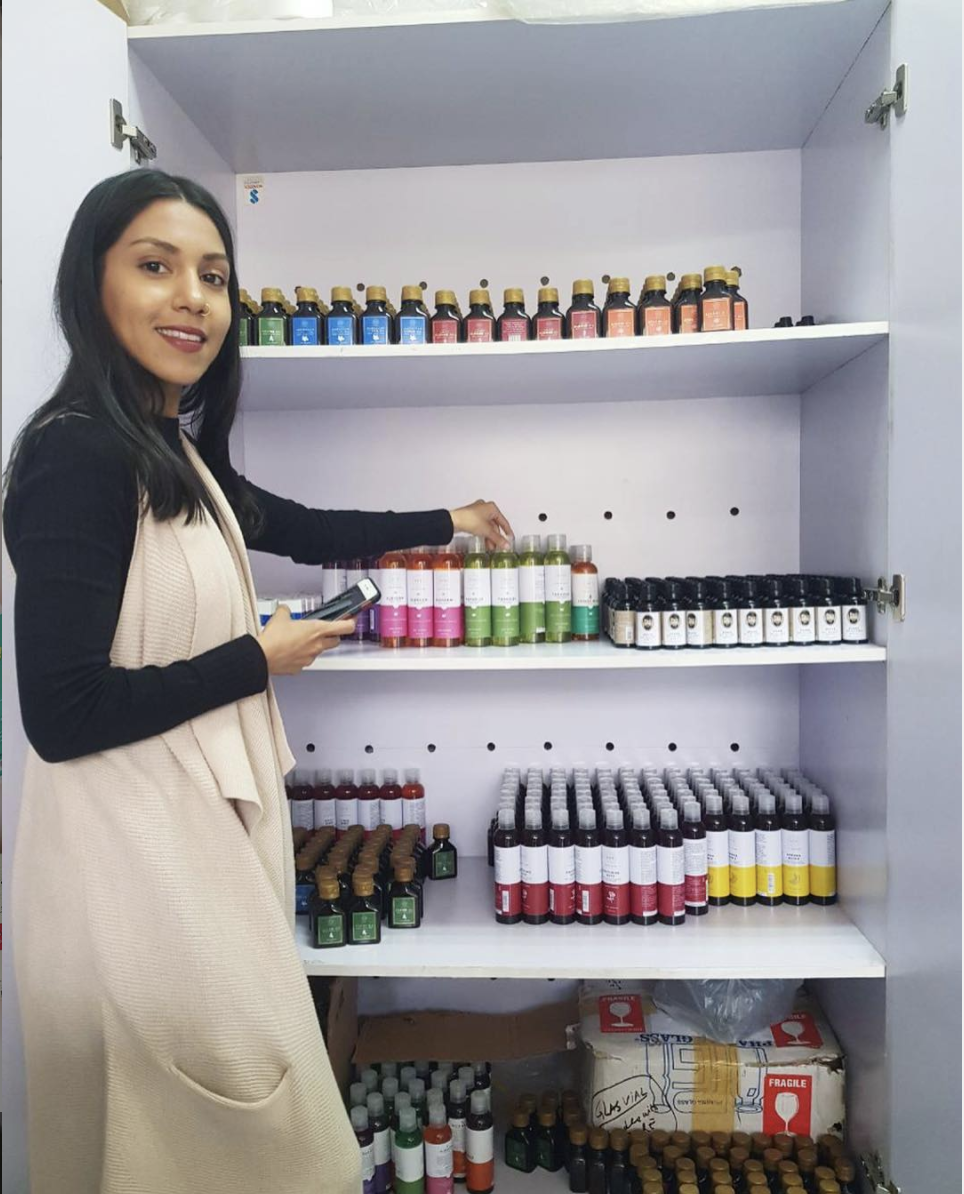


In 2012, Aura founder Fatima Khan’s parents began experimenting with homemade beauty and skim remedies, leading to the birth of Aura the brand. Khan restocks shelves of Aura products in Lahore, Pakistan on February, 12, 2018. (Aura)

“There are no standards on quality for materials in place, there’s a lack of facilities and certifications, it is close to impossible to do all things here in Pakistan, though we strive to do so in every avenue we can,” Khan told Arab News via email. “We need to work extra hard to support and develop our own industry.”
But despite the challenges, the industry is still growing, she said. 
“When we first entered the natural skincare industry, we barely had competition,” Khan said. “Now there’s a new organic skincare brand launching every month.”
Pakistan opposition rallies in Khyber Pakhtunkhwa to demand release of Imran Khan

Updated 10 sec ago
Follow

Pakistan opposition rallies in Khyber Pakhtunkhwa to demand release of Imran Khan

  • PTI-led gathering calls the former PM a national hero and demands the release of all political prisoners
  • Government says the opposition failed to draw a large crowd and accuses PTI of damaging its own politics

ISLAMABAD: Pakistan’s opposition led by the Pakistan Tehreek-e-Insaf (PTI) party demanded the release of jailed former prime minister Imran Khan at a rally in the northwestern Khyber Pakhtunkhwa province on Sunday, describing him as a national hero who continues to command public support.

The gathering came days after a rare and strongly worded briefing by the military’s media chief, Lt. Gen. Ahmed Sharif Chaudhry, who dismissed Khan as “narcissistic” and “mentally ill” on Friday while responding to the former premier’s allegations that Pakistan’s chief of defense forces was responsible for undermining the constitution and rule of law.

He said that Khan was promoting an anti-state narrative which had become a national security threat.

The participants of the rally called for “civilian supremacy” and said elected representatives should be treated with respect.

“We, the people of Pakistan, regard Imran Khan as a national hero and the country’s genuinely elected prime minister, chosen by the public in the February 8, 2024 vote,” said a resolution presented at the rally in Peshawar. “We categorically reject and strongly condemn the notion that he or his colleagues pose any kind of threat to national security.”

“We demand immediate justice for Imran Khan, Bushra Bibi and all political prisoners, and call for their prompt release,” it added, referring to Khan’s wife who is also in prison. “No restrictions should be placed on Imran Khan’s meetings with his family, lawyers or political associates.”

Addressing the gathering, Sohail Afridi, the chief minister of Khyber Pakhtunkhwa, denied his administration was not serious about security issues amid increased militant activity. However, he maintained the people of his province had endured the worst of Pakistan’s conflict with militancy and urged a rethinking of long-running security policies.

The resolution asked the federal government to restore bilateral trade and diplomatic channels with Afghanistan, saying improved cross-border ties were essential for the economic stability of the region.

The trade between the two neighbors has suffered as Pakistan accuses the Taliban administration in Kabul of sheltering and facilitating armed groups that it says launch cross-border attacks to target its civilians and security forces. Afghan officials deny the claim.

The two countries have also had deadly border clashes in recent months that have killed dozens of people on both sides.

Some participants of the rally emphasized the restoration of democratic freedoms, judicial independence and space for political reconciliation, calling them necessary to stabilize the country after years of political confrontation.

Reacting to the opposition rally, Information Minister Attaullah Tarrar said the PTI and its allies could not gather enough people.

“In trying to build an anti-army narrative, they have ruined their own politics,” he said, adding that the rally’s reaction to the military’s media chief’s statement reflected “how deeply it had stung.”

“There was neither any argument nor any real response,” he added, referring to what was said by the participants of the rally.