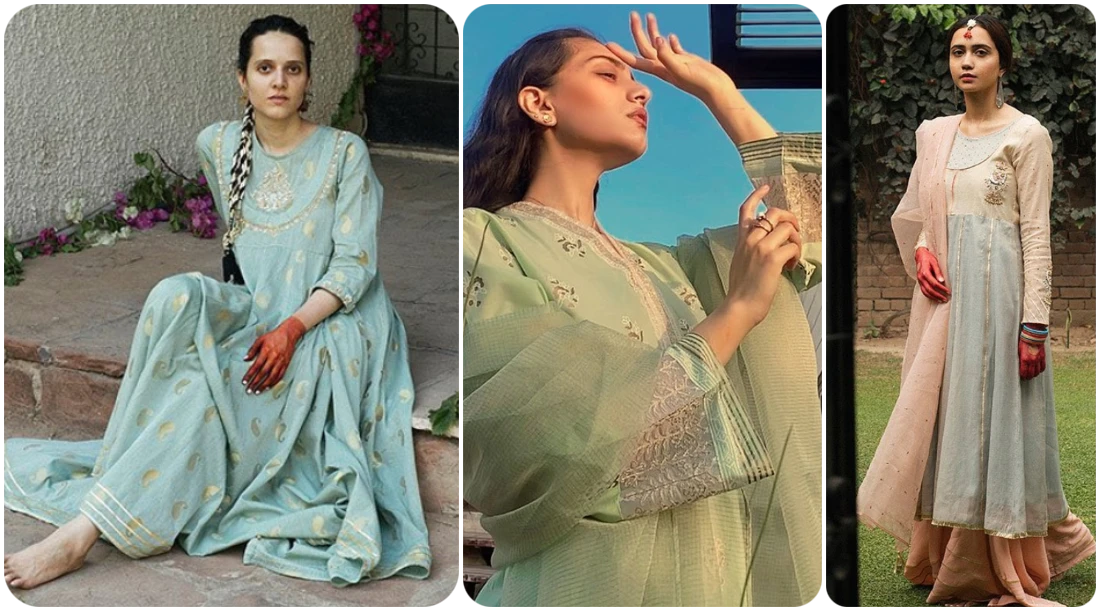
- Prominent brand Generation sold out its Eid capsule collection online within 48 hours
- High street brands re-focusing on giving customers smooth sailing online retail experience
RAWALPINDI: With Eid Al-Fitr just a week away in Pakistan, high street fashion brands found themselves facing their most profitable season of the year without traditional brick-and-mortar sales on their side-- and were forced to release their collections online.
Though stand-alone stores in most provinces opened for business for limited hours and days earlier this week, the country’s big malls remain closed due to ongoing partial lockdowns as part of coronavirus containment efforts.
But brands, which had been struggling with dwindling sales for almost two months, said they were surprised with the overwhelming response to their online releases earlier in the season.
“When the pandemic started and we went under lockdown, we did not expect that people would want to buy much, especially our festive [Eid] collection pieces,” Naima Gilani, marketing communications coordinator at one of Pakistan’s most prominent high street labels, Generation, told Arab News over the phone on Saturday.
Though the brand’s production had been shut down earlier, Generation got creative with what they had available.
“We couldn’t make new styles, whatever we had in production that reached its finishing stage were expedited, and strangely enough those were pieces that were from our formal collection... appropriate for Eid,” Gilani said.
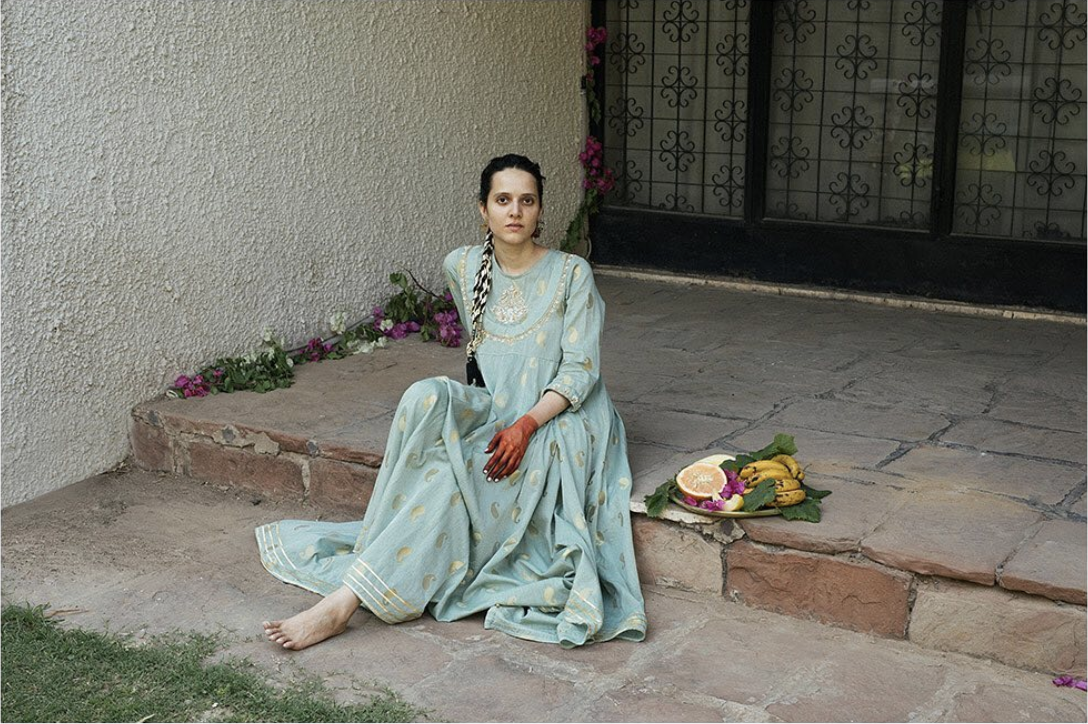
Generation released some teasers of its minimalistic Eid designs online on its social media pages, with the pieces part of a bigger collection which included Eid cards, traditional hair accessories like parandas and even loungewear. Of the Eid dresses, the majority sold out within two days, with some outfits running out of sizes within hours.
“Our traffic online is now five times more than it is during normal days because our stores are closed,” Gilani said.
“This has translated in sales. And again, this was a really strange Eid season compared to previous years because we didn’t have that many collections to sell. But whatever little we did have, it sold really well.”
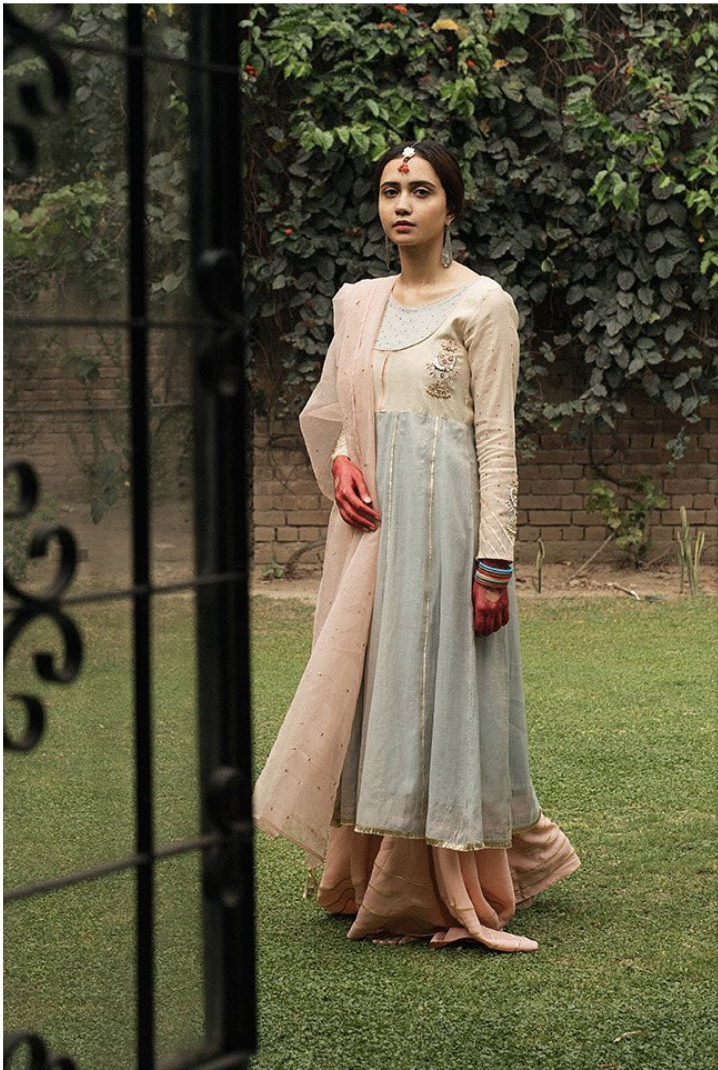
Another popular high-street brand that gave their Eid collection an online focus was Beechtree.
Nabia Saqib, the marketing director at Beechtree told Arab News that due to similar production issues as Generation and other brands, the label had opted to launch a smaller collection for Eid-- all of it completely online.
“All our collections are ready and prepared well in advance, so our Eid one is normally ready by winter, but with all that has happened some pieces had not been completed...but we decided to give what we did have a comprehensive online launch,” Saqib said.
And instead of releasing expensive Eid campaigns, Beechtree focused all its efforts on providing its customers with a smooth sailing online shopping experience.
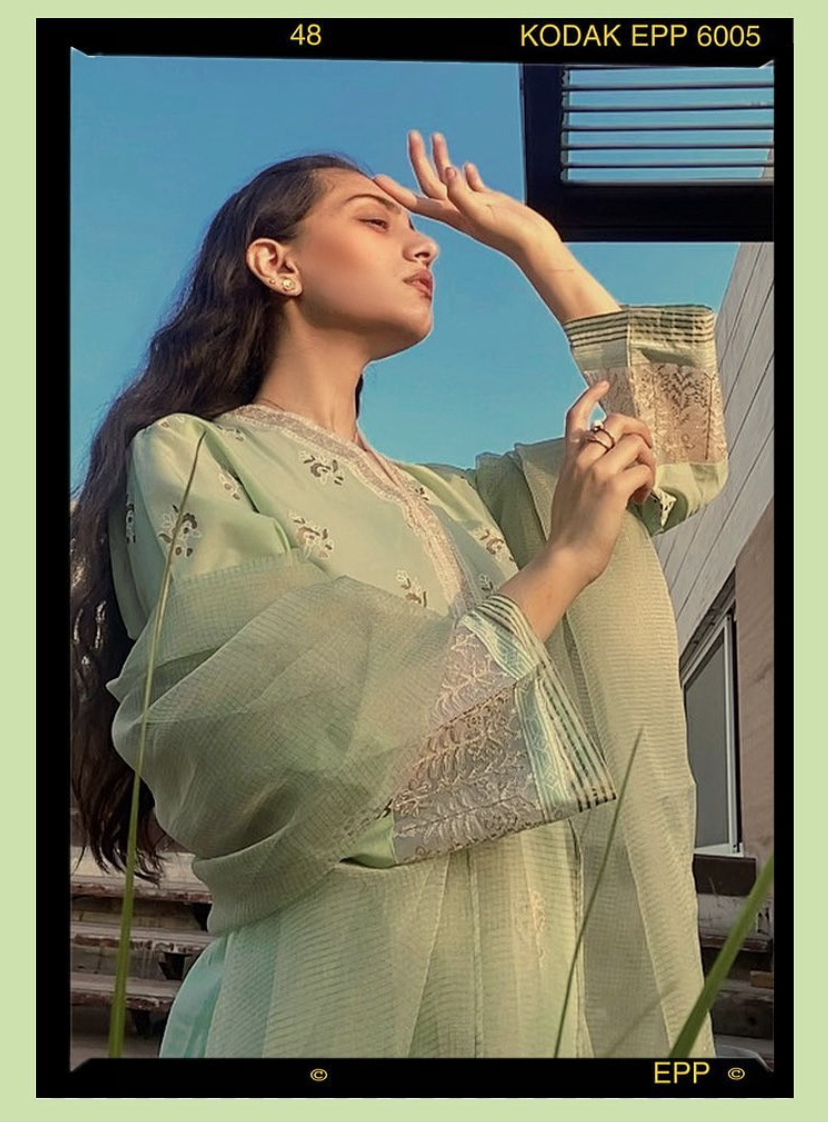
The ensuing sales figures, Saqib said, had left the whole team surprised.
“Being totally dependent on our online store was tough but when we saw our sales figures, they were actually pretty nice!” she said.
“We weren’t expecting this much of a sale during this time because we were thinking that with the uncertainty of the time, people might not be shopping online. But it met previous Eid online expectations and even helped combat some of the loss we experienced due to our stores being closed,” she added.
For Gilani, their Eid sales figures reflected the innate desires of people tired of the despondency of the pandemic-- those who just wanted to honor the biggest and most festive holiday of the year.
“With all this gloom and depression around, you just want to dress up for yourself and celebrate,” she said.
“Be with your loved ones, look pretty, try to salvage what we can of this strange Eid and feel happy.”