Abdullah Al-Kahtani has been a senior adviser at the Saudi Arabian Monetary Authority (SAMA) since 2017.
Before joining SAMA he served as an adviser to the chair of the Human Rights Commission and an adviser to the chairman of the Saudi Press Agency.
Al-Kahtani obtained a bachelor’s degree in political science at King Saud University in 1989. He received a master’s degree in international economics from the University of Denver in 1993, and an executive MBA from the same university in 1997.
He also attended a senior executive program for the Middle East from Harvard Business School.
He has considerable experience in management, finance, marketing and communication.
Al-Kahtani was deputy managing director of the Saudi Research and Publication Co. from 1999 to 2004. In 2005 he joined Al Rajhi Financial Services Co. as director of marketing and client relations. He joined the Capital Market Authority in 2008 as director of communication and awareness.
He has been the head of public relations and membership committee in the Institute of Internal Auditors since 2013, a board member of the Autism Center of Excellence and a founding member of the Individual Investors Protection Association.
He believes that professional communicators make the art of communication look easy, but that communication was not meant to be easy. “Effective communication comes only after careful planning, practice, and critical review. The reality is that it takes much hard work to develop the skills needed to communicate powerfully and to make your message quick and easy to understand.”


![]()


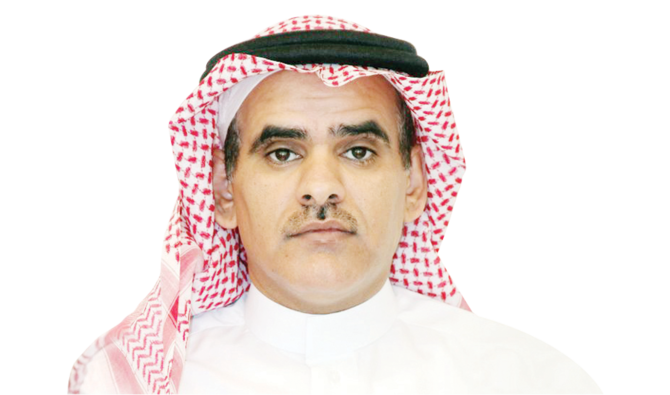
Abdullah Al-Kahtani, adviser at the Saudi Arabian Monetary Authority
Short Url
https://arab.news/5y4tw
Abdullah Al-Kahtani, adviser at the Saudi Arabian Monetary Authority
- Al-Kahtani obtained a bachelor’s degree in political science at King Saud University in 1989


Saudi envoy to Spain discusses tourism cooperation with UNWTO chief
Saudi Ambassador to Spain Princess Haifa Al-Mogrin met with Shaikha Nasser Al-Nowais, secretary-general of the UN World Tourism Organization, at the organization’s headquarters in Madrid, on a courtesy visit following her assumption of office.
During the meeting, they exchanged views on the sustainable development of tourism and ways to strengthen cooperation in this area, the Saudi Embassy in Spain wrote in a post on X.
Meanwhile, Abdulmajeed Al-Samary, undersecretary of protocol at the Ministry of Foreign Affairs, received the credentials of Mohamed Amin Sheikh Osman, the newly appointed ambassador of Somalia to the Kingdom, the Foreign Ministry wrote in a post on X.


Latest updates


© 2026 SAUDI RESEARCH & PUBLISHING COMPANY, All Rights Reserved And subject to Terms of Use Agreement.