

Ramadan recipes: Comforting eggplant fatteh by French-Lebanese chef Karim Haidar

French-Lebanese chef Karim Haidar has provided a recipe for the savory fatteh batenjen. (Shutterstock)
Short Url
Updated 24 April 2020
Follow

Ramadan recipes: Comforting eggplant fatteh by French-Lebanese chef Karim Haidar

DUBAI: In the midst of the COVID-19 pandemic, chefs from all over the world are sharing recipes with online followers who wish to cook from home. Here, French-Lebanese chef Karim Haidar has provided a recipe for the savory fatteh batenjen, a classic of Lebanese cuisine.

The chef, who is currently on a mission to feed almost 100 Lebanese students residing in the French capital amid the COVID-19 pandemic-related lockdown, shared why this recipe is so important to him.
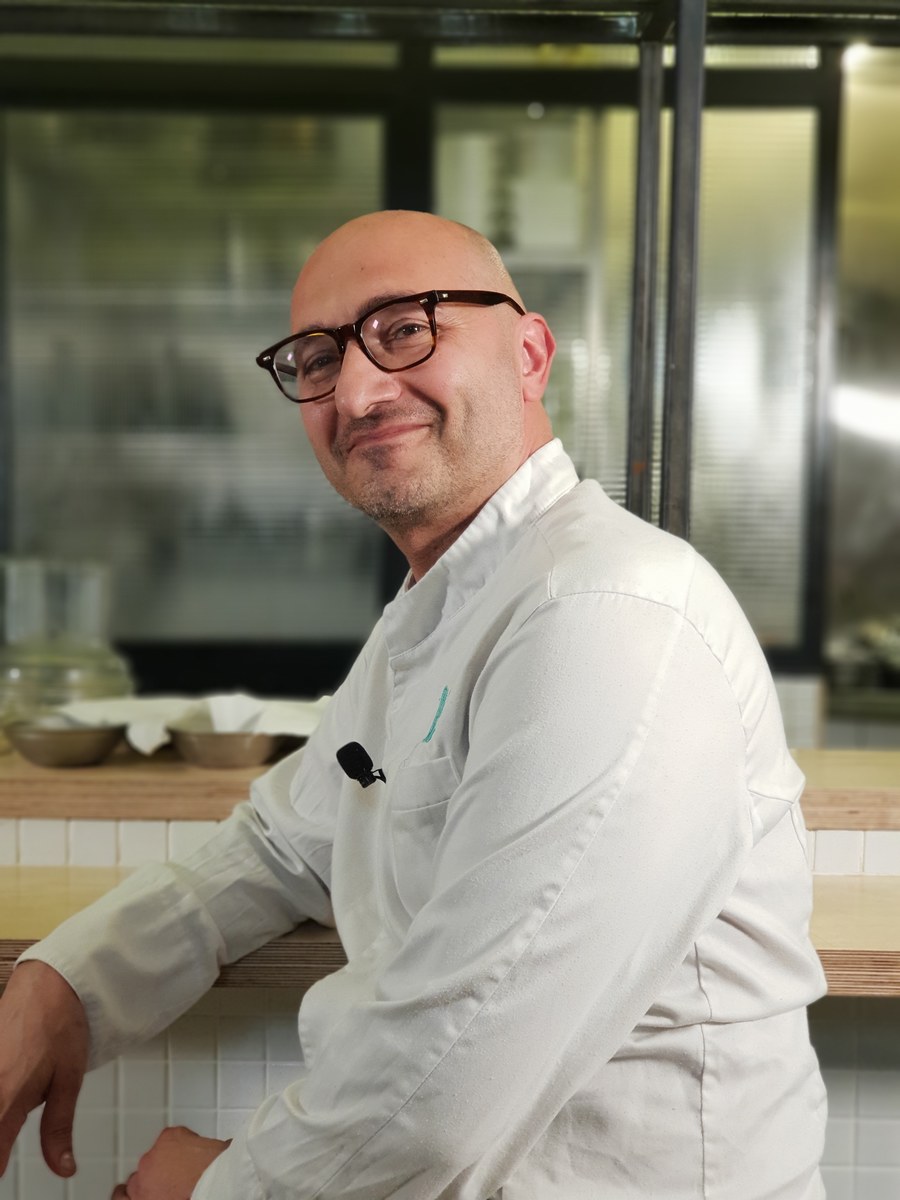


The chef shared why this recipe is so important to him. (Supplied)

“This recipe has a special place in my heart,” he commented. “It was always a success in my restaurants and private dinners. Most of the people I know and love agree on the fact that it is their favorite. It is partially hot and partially cold (good in summer and in winter), easy to prepare and the version (here) is vegetarian.”

Recipe for fatteh batenjen (serves 4 people)

Why not give this comfort food dish a go for iftar?

Ingredients:

  • 4 aubergines
  • 1 onion
  • 2 garlic cloves
  • 1 tomato
  • 1 Lebanese bread
  • 50g of pine nuts
  • 10 leaves of basil
  • 250g of yogurt
  • 50g of tahini
  • 1 tablespoon of grape vinegar
  • Salt, black pepper
  • Frying oil

Method:

  1. Peel the aubergines, and cut each into three slices, then each slice into six.
  2. Peel and thinly chop the onion, the tomato and the garlic. Keep them separate.
  3. Deep-fry the pine nuts until golden.
  4. Roll each slice of bread and cut it thin, then deep-fry it.
  5. Mix the yogurt, tahini, vinegar, salt and pepper.
  6. Deep-fry the aubergines and drain from oil.
  7. Pan-fry the onion in some oil for 5 minutes, add the garlic and tomato for two minutes. Add salt and pepper, then the roughly chopped basil leaves.
  8. Serve in each plate a spoon of yogurt, the aubergine slices, then the pan-fried tomatoes, another spoon of yogurt, bread and pine nuts.

Enjoy!


Saudi Cup 2026: Fashion stars spend a day at the races

Updated 13 February 2026
Follow

Saudi Cup 2026: Fashion stars spend a day at the races

RIYADH: Fashion-forward attendees pulled out all the stops at the Saudi Cup 2026, held from Feb. 13-14 at King Abdulaziz Racecourse in Riyadh. 

Cultures from across the world were represented at the races, while Saudi attire also hailed from across the Kingdom.

“I want to reflect on our culture,” one guest told Arab News. “So I’m wearing Najdi (fashion) in lavender color and holding lavender flowers,” she added, referring to the lavender flowers that are abundant in some areas of the Kingdom in spring.

Overall, the women came out in front. For every male guest dressed in a lavender or burgundy thobe, there were multiple women donning traditional clothing in all shapes, colours and forms.

Guests showed off race-appropriate headwear, patterned thobes and Saudi-inspired embroidery.

Fashion also played a major role in the event further away from the stands as the Saudi Fashion Commission hosted a Saudi 100 Brands showcase.  

The event marks the fourth year in a row that the initiative has featured at the internationally recognized sporting and cultural event.

The fashion program is spread over two days, with runway presentations scheduled throughout the evenings. On Feb. 13, collections were presented by Saudi fashion brands THEXO, Enays and Sulitude. Feb. 14 features runway shows by MD29, Adara By Fa and Hajruss.

Alongside the runway program, a dedicated exhibition space showcases selected jewelry and accessories pieces, allowing visitors to view the work up close.

Participating designers will present collections that draw on Saudi references while engaging with contemporary design, offering insight into how local fashion continues to develop. 

“Since 2022, the Saudi 100 Brands program has been an integral part of the Saudi Cup, positioning fashion as a cultural expression within one of the Kingdom’s most globally visible events,” said Saudi Fashion Commission Chief Executive Burak Cakmak, in a previously released statement. 

“This platform has enabled brands to bring together heritage and contemporary narratives that reflect identity, creativity and innovation,” Cakmak said. “This year represents a natural evolution from an exhibition to a curated showcase, reinforcing fashion’s role as a dynamic cultural platform within the Saudi Cup.”