- Countries currently indebted to the IMF and World Bank will benefit from the moratorium on debt payments announced by G20 states
- Pakistan’s 3-year liabilities on account of principal and debt on external front are $23 bn, economists say
KARACHI: Pakistan on Thursday confirmed its place among world nations that would get debt relief from G20 creditors starting from May 1, making room for its government to divert vital resources to strengthen its health care sector and fight the coronavirus pandemic.
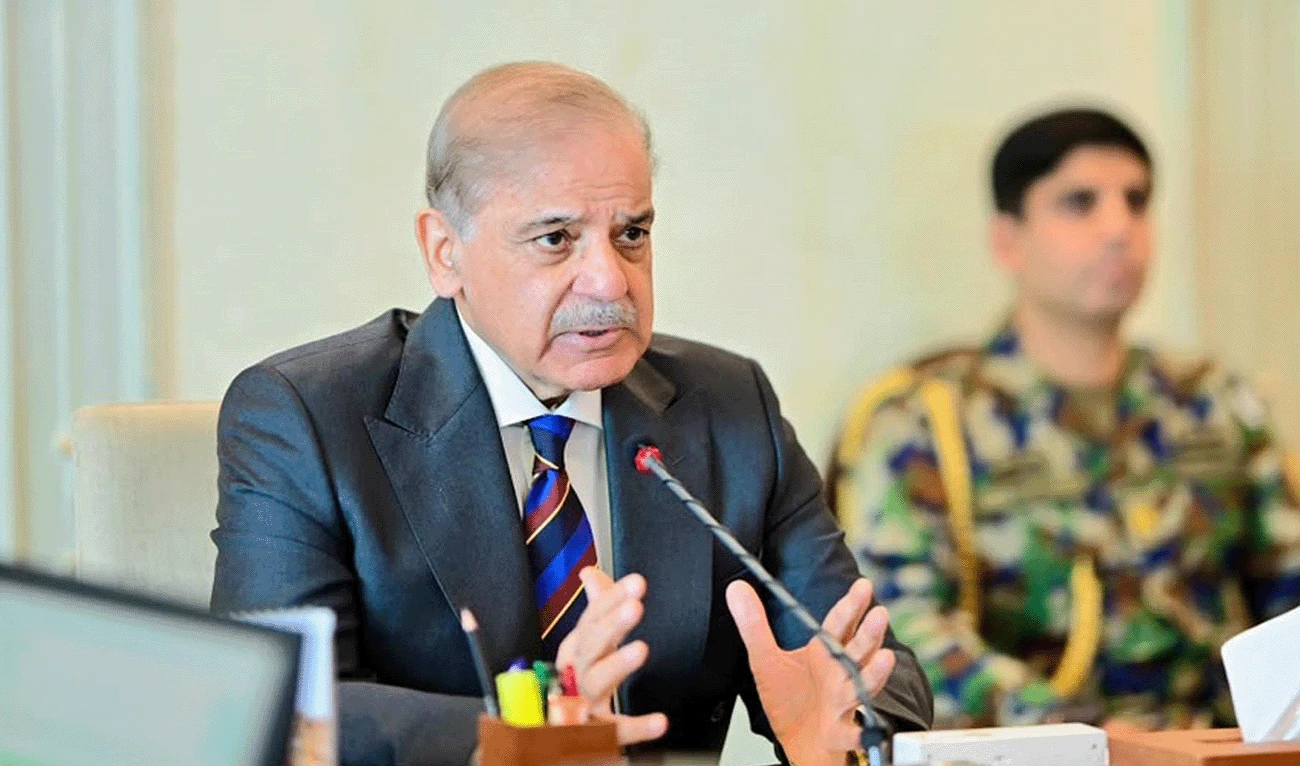
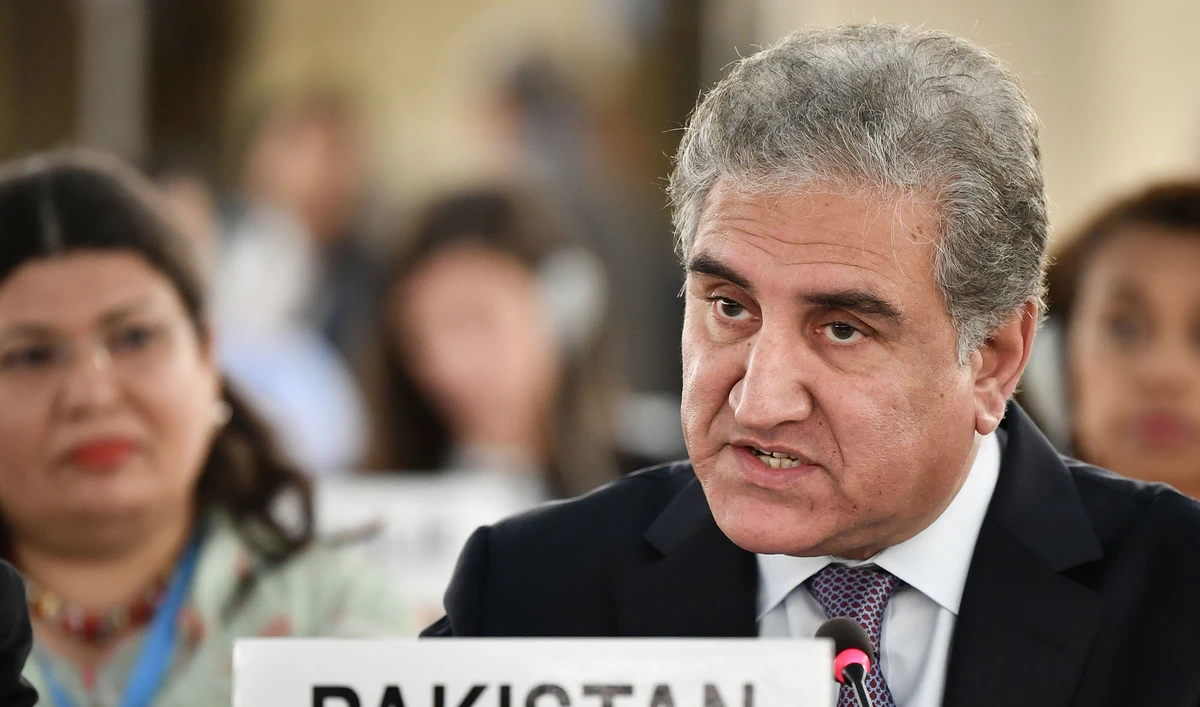
“The International Monetary Fund has announced it will give relief to developing nations, including Pakistan. The debt relief will be for a year and come into effect from May 1,” Foreign Minister Shah Mahmood Qureshi told journalists in Islamabad after meeting with Special Assistant to Prime Minister on Finance, Dr. Abdul Hafeez Shaikh, at the foreign office.
The move will bring “substantial economic relief to the country,” the minister added.
The G20 economies decided to suspend both principal and interest repayments on Wednesday to help the world’s poorest countries. The plan is to defer the payments that accumulate between May 1 and December 1, 2020, and allow these nations to pay them by December 1, 2021.
The countries that are currently indebted to the IMF and World Bank will benefit from the moratorium on debt payments announced by the G20 countries.
“We agreed on a coordinated approach with a common term sheet providing the key features for this debt service suspension initiative, which is also agreed by the Paris Club,” the G20 said in a joint statement on Wednesday.
“The debt relief means that the loans a country has taken from the creditors will not be serviced during the moratorium period and will be rescheduled. This is important for Pakistan because its payments will be deferred,” Dr. Muhammad Zubair Khan, a senior economist, told Arab News.
Pakistan is in a debt trap and now the economic toll of COVID-19 outbreak has made things worse for the country.
“After paying the provinces and going for debt servicing, the federal government is not even left with any money to properly meet its defense budget,” Dr. Ikram Ul Haq, another economic expert, told Arab News.
Economists say the South Asian nation has $12.731 billion of external debt repayment obligations in FY2021 that will be covered under the debt relief plan.
“Although the plan targets official bilateral creditors, it is understood that commercial creditors will also be asked to follow the same template. Pakistan owes $2.545 billion of debt service payments to commercial creditors during the next fiscal year out of which $2.3 billion is to China,” Haq continued.
“After this, $6.744 billion is owed to non-Paris Club bilateral creditors out of which $3.48 billion is supposed to go to China, $2.245 billion to Saudi Arabia and $1 billion to the United Arab Emirates. The country has to make $1.627 billion of payment to multilateral creditors out of which half of the amount will go to the Asian Development Bank and the rest to the World Bank. The Paris Club creditors, who are also to be included in the terms of the debt relief plan, are owed $787 million next year, with Japan and France accounting for the bulk of the amount,” Haq added.
Experts familiar with the matter say the amount of debt servicing Pakistan has to make between May 1 and December 1 will now be rescheduled and will be paid by December 1, 2021. “However, Pakistan has proposed to delay the payment until 2023 for short loans and 2025 for the long term loans,” Dr. Vaqar Ahmed, Joint Executive Director of the Sustainable Development Policy Institute (SDPI), told Arab News.
The coming three-year liabilities of Pakistan on the external front is about $23 billion on account of the principal amount and debt. The debt relief by G20 will help, say the economists, but the main liabilities are that of bonds and multilateral loans since they will not be deferred.