Saudi Arabia continues humanitarian work in parts of Yemen

1 / 6
Saudi Arabia has been ranked a global fifth, and first in the Arab world, for its provision of humanitarian aid. (SPA)
2 / 6
Saudi Arabia has been ranked a global fifth, and first in the Arab world, for its provision of humanitarian aid. (SPA)
3 / 6
Saudi Arabia has been ranked a global fifth, and first in the Arab world, for its provision of humanitarian aid. (SPA)
4 / 6
Saudi Arabia has been ranked a global fifth, and first in the Arab world, for its provision of humanitarian aid. (SPA)
5 / 6
Saudi Arabia has been ranked a global fifth, and first in the Arab world, for its provision of humanitarian aid. (SPA)
6 / 6
Saudi Arabia has been ranked a global fifth, and first in the Arab world, for its provision of humanitarian aid. (SPA)
Short Url
Updated 23 March 2020
Follow

Saudi Arabia continues humanitarian work in parts of Yemen

  • During the past week, 3,006 people benefited from the health services provided by the center

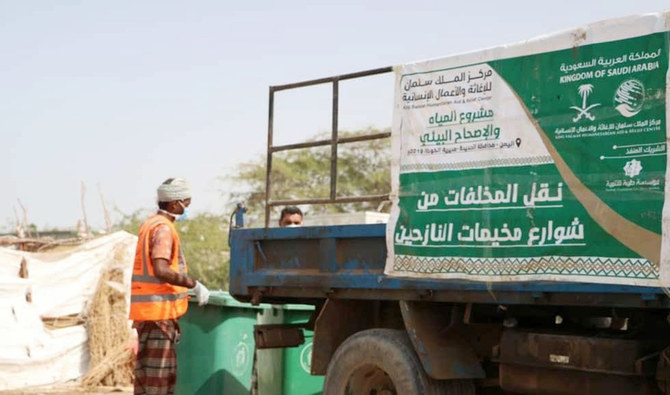
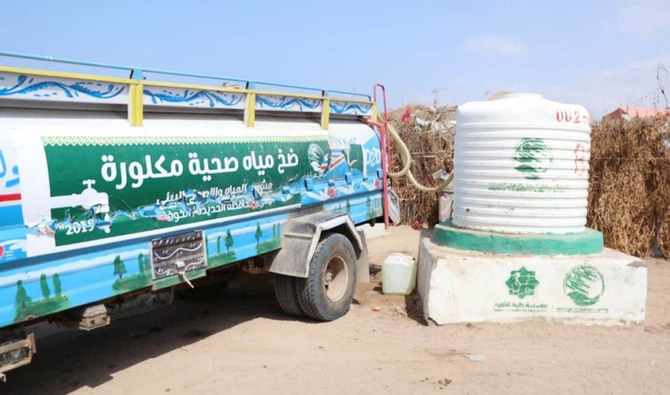
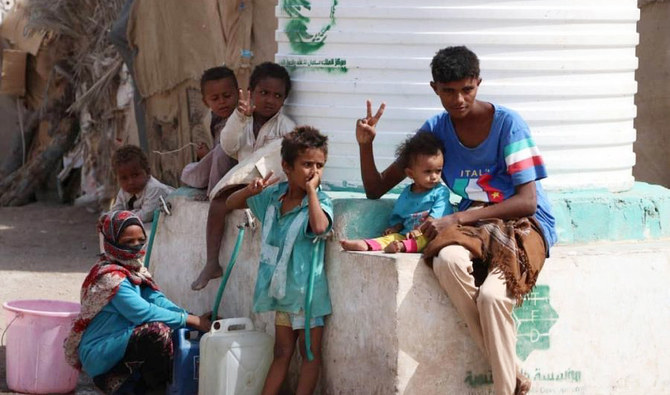
RIYADH: The King Salman Humanitarian Aid and Relief Center is carrying out water and sanitation projects in the Khokha district of Yemen’s Hodeidah governorate.
The center supplied the area with 301,000 liters of drinking water between March 13 and 19.
It also conducted fumigation campaigns to combat diseases.
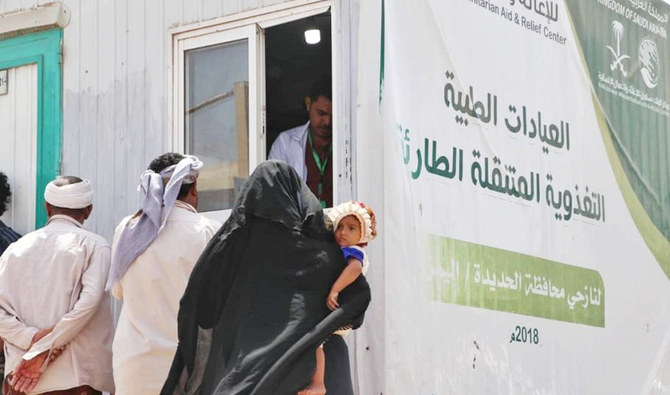
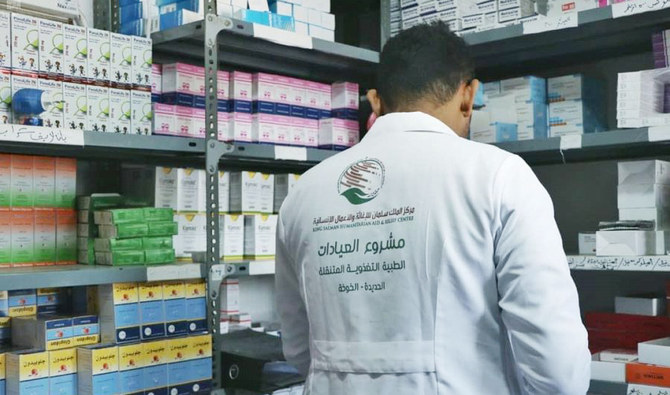
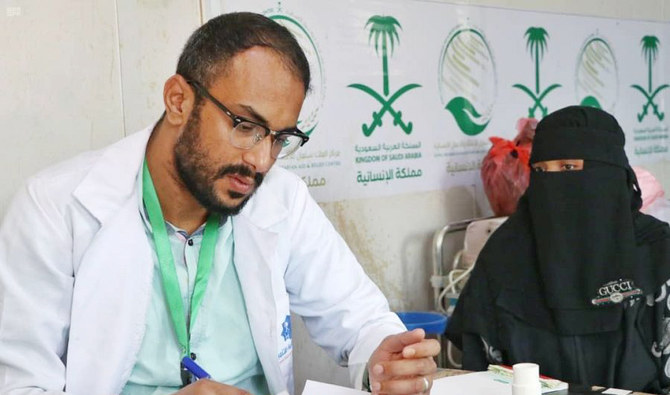
KSRelief mobile nutritional medical clinics provided services in Al-Khawkhah district of Hodeidah in partnership with the Taibah Foundation for Development. During the past week, 3,006 people benefited from the health services provided by the center.  
Saudi Arabia has been ranked a global fifth, and first in the Arab world, for its provision of humanitarian aid.
Since its inception in 2015, KSRelief has implemented 432 projects in Yemen at a total cost of $2.96 billion.
KSRelief provides urgent treatment for wounded and injured Yemenis in their country, and those for whom treatment is not possible in Yemen are transferred to Saudi Arabia and other countries in the region.
According to a report issued by the UN Office for the Coordination of Humanitarian Affairs (OCHA), the Kingdom remained the chief supporter of the Yemen Humanitarian Response Plan (YHRP) 2019, which is estimated to be $4.19 billion. 


What makes the Taif Rose such a precious fragrance product?

Perfume artisan involvement aligns with Jazan Festival’s initiative repositioning traditional crafts as dynamic. (SPA)
Updated 09 January 2026
Follow

What makes the Taif Rose such a precious fragrance product?

  • These farms produce nearly 550 million roses annually, all harvested during a brief season of no more than 45 days, from early March to the end of April

TAIF: Taif roses, renowned for their exceptional aroma and the meticulous care required in cultivation, harvesting, and processing, are among the Kingdom’s most valuable natural perfume products and stand out as prominent agricultural and cultural symbols deeply connected to the region’s heritage and tourism.

Taif rose farms, numbering over 910 and spread across Al-Hada, Al-Shafa, Wadi Muharram, Al-Wahat, Al-Wahit, and Wadi Liya, are home to approximately 1,144,000 rose bushes covering about 270 hectares of agricultural land. 

FASTFACT

Taif rose farms, numbering over 910 and spread across Al-Hada, Al-Shafa, Wadi Muharram, Al-Wahat, Al-Wahit, and Wadi Liya, are home to approximately 1,144,000 rose bushes covering about 270 hectares of agricultural land.

These farms produce nearly 550 million roses annually, all harvested during a brief season of no more than 45 days, from early March to the end of April.

This harvest yields around 20,000 tolas of Taif rose oil. Producing a single tola requires approximately 12,000 roses, which are picked manually at dawn and distilled within 24 hours to preserve the purity and quality of the scent before reaching the market.