
ABU DHABI: An Abu Dhabi-based Pakistani expatriate, whose idea led to the establishment of the first specialized diabetes center in Pakistan, is now taking the lead in formulating the National Diabetes Program for the South Asian nation.
Dr. Asjad Hameed, whose idea and discussion with three friends over a cup of tea became a reality when he opened The Diabetes Center (TDC) in Islamabad two year ago, now divides his time between the United Arab Emirates and Pakistan.
The TDC is the first specialized diabetes center in Pakistan that also opened its branch in Lahore last year.
“We collected donations from 60 UAE-based families and a few Emiratis while setting up the center. However, times are tough now and donations are far and few,” he told Arab News.
The center was built in 2018 at the cost of Dh25 million (Rs65 million).
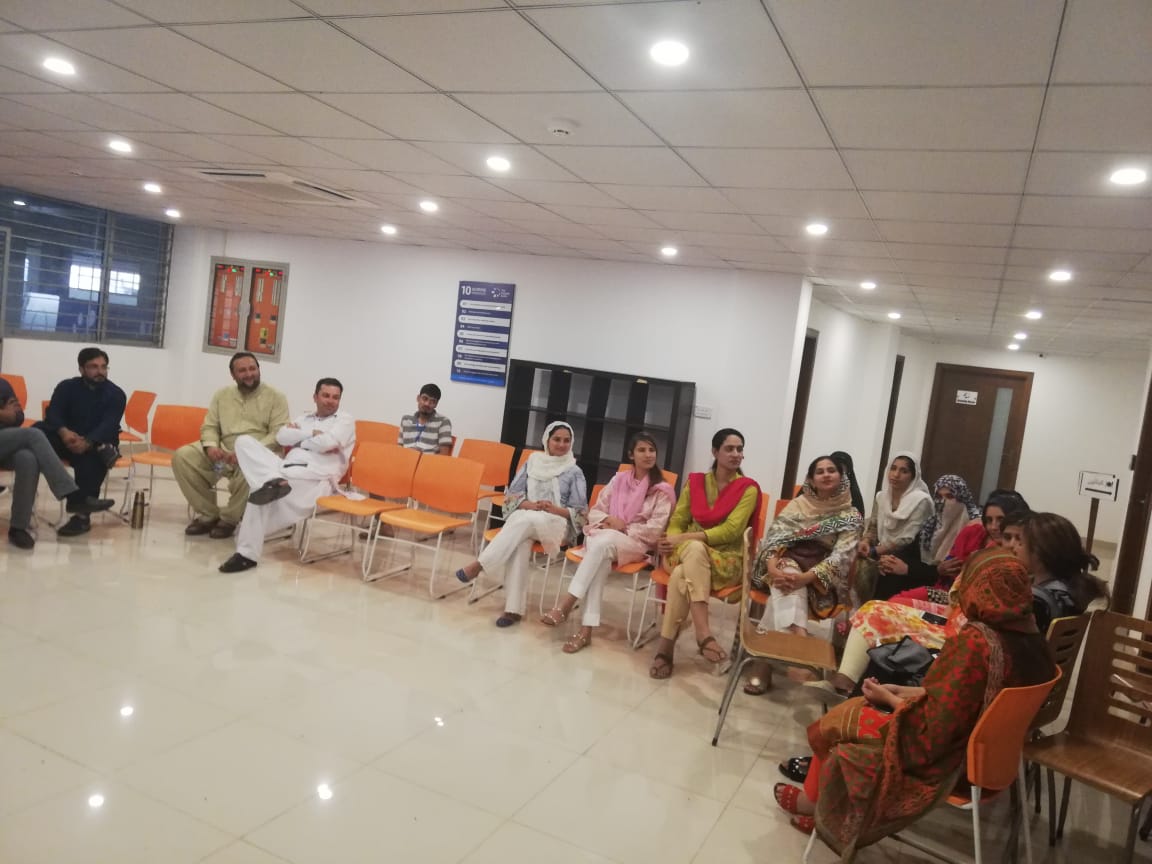
In this undated photo, patients are waiting for their turn at The Diabetes Center in Islamabad. (Photo Courtesy: Dr. Asjad Hameed)
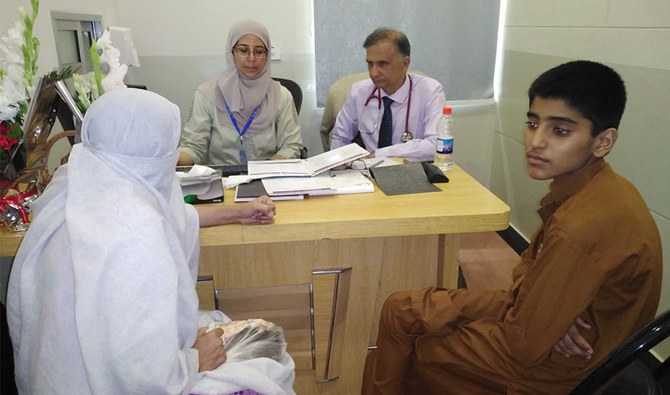
Doctors at the center examine at least 200 patients per day. With more than 35,000 are regular registered patients, the center has a staff of 102 and a monthly expense of Rs12 million ($85,000).
Seventy percent of the patients get free consultations, diagnoses and medicines while the other 30 percent pay partial or full fees.
“People come from as far as Mianwali and Gujrat,” he said. “It shocks me that a huge part of the population – mostly the poor – still cannot access quality treatment for disease in Pakistan. They visit clinics and general practitioners, but there is no specialized clinic to treat diabetes.”
“When I came to the UAE in 2008, the country had the second highest diabetic population in the world, but now it has only the eighth or 10th ranking in the world,” said Dr. Hameed.
He added that this was because of the good screening methods and efforts put in by the UAE government as well as its elaborate health care vision.

In this undated photo, patients are waiting for their turn at The Diabetes Center in Islamabad. (Photo Courtesy: Dr. Asjad Hameed)
“Knowledge and education levels are low in Pakistan. People do not know where to go for treatment which is why there are lots of kidney failures and eyesight issues caused by diabetes,” he said.
He continued that Pakistanis consumed too many carbohydrates and performed very little physical activity, counting the two factors among the reasons for high number of diabetes cases in the country.
Dr. Hameed’s wife, a doctor herself, already quit her job in the UAE and moved to Pakistan to overlook the daily operations at the TDC.
The organization recently hosted a roundtable with all stakeholders and formulated a diabetes national working group to draft guidelines for the National Diabetes Program.
“We are still awaiting the government’s endorsement on this issue but there has been no luck,” he said.